
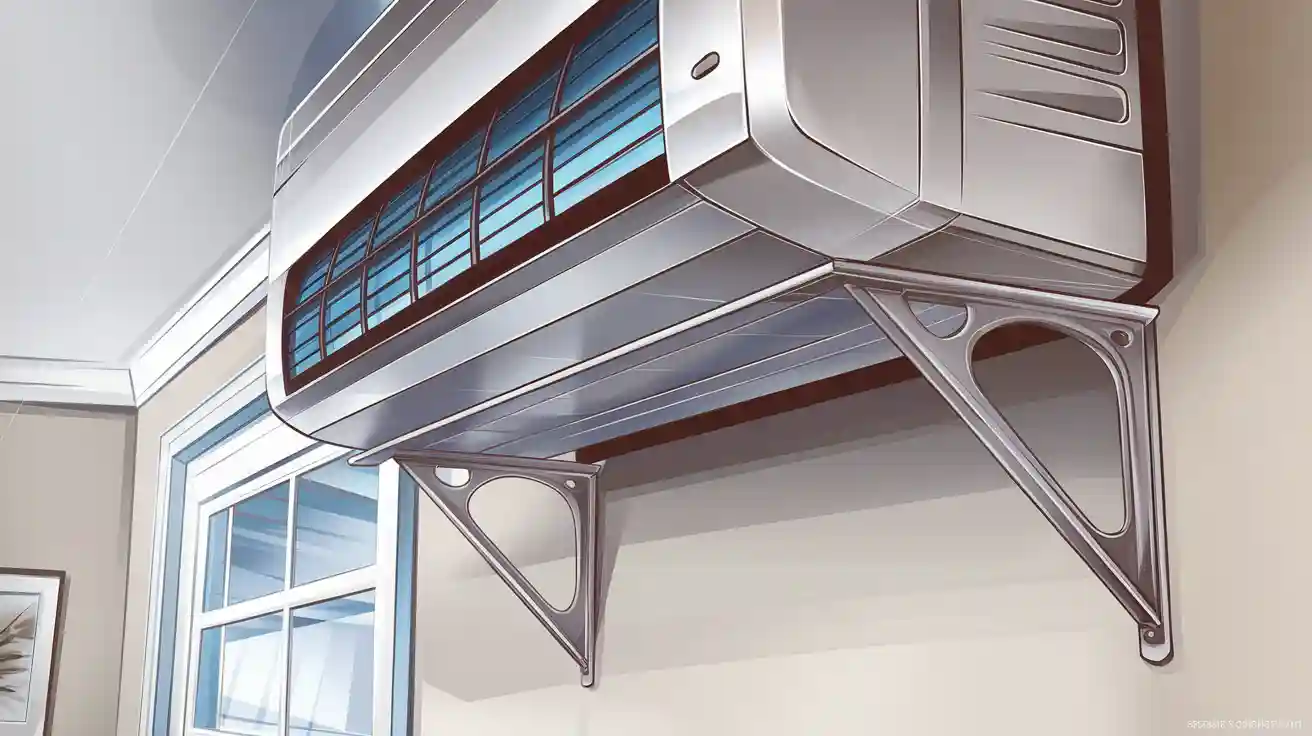
Installing an air conditioner the wrong way can be unsafe. A weak air cond bracket might not hold the unit’s weight. This can cause accidents or damage to your property. Always follow installation rules to prevent these problems. Good brackets make your air conditioner safer and work better. Following these rules lets you relax, knowing your unit is safe and working well.
Regional Rules for Air Cond Bracket Setup
Knowing Local Building Rules
Local building rules help keep air conditioner setups safe. These rules explain the basics for strong brackets, placement, and materials. Learn these rules before starting any setup work.
Building rules change depending on where you live. For example, some places need brackets to handle strong winds during storms. Other areas require rust-proof materials for wet weather. Ignoring these rules can lead to fines, unsafe setups, or removal of your air conditioner.
To follow the rules, visit your city or county’s website. Many places share clear instructions for air conditioner setups, including bracket details.
State-Specific Rules Examples
Each state has its own rules for air cond bracket setups. These rules match the weather and building needs of the area.
Here’s a table showing common mistakes in air conditioner setups:
Mistake Type | What It Means |
|---|---|
Selling bad products | Companies selling items that don’t meet energy-saving rules. |
False energy claims | Companies lying about energy use without proof. |
Breaking rules knowingly | Sellers giving products to workers who break local rules. |
For example, California needs brackets to meet energy-saving goals. In Florida, brackets must handle strong winds in hurricane zones. Knowing these rules saves money and keeps your air conditioner safe.
Checking Local Rules
Checking local rules is simpler than it seems. Start by asking your local building office. They can give you the latest setup rules and answer questions.
Also, check the instructions from your air conditioner’s maker. Many include setup steps that match local rules. Following these steps keeps your unit safe and working well.
If you’re unsure, hire a licensed expert. Certified workers know the rules and can set up your air conditioner properly. Their skills lower risks and ensure your unit is safe and legal.
Essential Safety Standards for Air Conditioner Installation
Weight and Load Capacity of Brackets
Air cond brackets must hold the unit’s full weight safely. Weak brackets can bend or break, causing accidents or damage. This can lead to injuries or harm to your property.
Here’s a table showing injury cases from bad air conditioner setups:
Type of Injury | Number of Cases |
|---|---|
Sprains, strains, and tears | 2420 |
Cuts and lacerations | 890 |
Fractures | 870 |
Bruises and contusions | 520 |
Heat or chemical burns and corrosions | 180 |
Always check the bracket’s weight limit before buying. Manufacturer details show how much weight the bracket can hold. For home use, pick brackets that match your air conditioner’s size. If you’re installing multi-zone systems, ask an HVAC expert to confirm the brackets are strong enough.
Proper Placement to Prevent Hazards
Placing air cond brackets correctly stops accidents and keeps the unit safe. Wrong placement can make the unit fall or stop working. Follow these tips for safe installation:
Use a bracket or shelf to secure the unit outside the window.
Don’t open the window where the air conditioner is installed unless removing it.
Some apartments don’t allow window air conditioners above ground floors for safety reasons.
Placement also affects how well the air conditioner works. Units near walls or blocked areas may lose airflow and work poorly. Place the unit where air moves freely and maintenance is easy.
Materials and Tools for Secure Installation
Good materials and tools make air conditioner setups last longer. Use rust-proof brackets like stainless steel or galvanized metal for outdoor setups. These materials resist bad weather and stay strong over time.
You’ll need tools like a level, drill, screws, and anchors. A level keeps the unit straight, protecting the brackets. Anchors add extra support for heavy units or weak surfaces. If unsure, ask an HVAC technician for advice. They can help avoid mistakes and ensure your system works well.
Tip: Check if your tools and materials match your air conditioner model. This step saves time and prevents problems.
Practical Tips for Installing Air Cond Brackets
Picking the Right Bracket for Your Unit
Choosing the right bracket is important for a safe setup. First, check your air conditioner’s weight and size. Brackets come in different styles, so pick one that fits your unit. For window air conditioners, use brackets that hold the unit securely without harming the window frame.
Think about where you’ll install the unit. Outdoor setups need rust-proof brackets to last longer. Bigger systems, like multi-zone units, may need stronger brackets for heavier weights. Always choose brackets that are sturdy and fit your unit well.
Tip: Adjustable brackets are helpful. They let you adjust placement for better airflow and stability.
Following Manufacturer Instructions
Manufacturer instructions are key for setting up your air cond bracket. These guides show the best bracket type, placement, and tools to use. Following them keeps your air conditioner safe and working properly.
Check the manual or the company’s website for detailed steps. Many include pictures and easy-to-follow directions. If you have a multi-zone system, pay attention to the special setup needs for these advanced units.
Skipping these instructions can lead to mistakes and shorten your air conditioner’s life. Always keep the manual nearby when installing your unit.
Getting Help from Certified Experts
Certified HVAC technicians are skilled at installing air conditioners. They know how to secure brackets and follow local rules. Hiring them reduces risks and ensures a proper setup.
Experts are especially helpful for tricky setups, like multi-zone systems. They use the right tools and methods to make sure brackets are secure. For home setups, they can suggest the best spot for better airflow and energy savings.
Note: Check the technician’s credentials before hiring. Look for certifications and reviews to ensure good service.
Common Mistakes in Air Conditioner Installation
Ignoring Local Rules
Skipping local rules during installation can cause big problems. Many areas have specific rules for air cond brackets, like weight limits or rust-proof materials. If you ignore these, you might face fines or have to remove your unit. In stormy places, brackets must handle strong winds. Without following the rules, your air conditioner could fail in bad weather.
To avoid this, check your local building codes first. Visit your city’s website or ask an HVAC expert who knows the rules. Following these steps keeps your air conditioner safe and legal.
Choosing Weak or Wrong Brackets
Using the wrong brackets can make your air conditioner unsafe. Weak brackets might not hold the unit’s weight, causing accidents or damage. This is even more important for larger systems, which need stronger brackets.
Here’s a table showing common mistakes and their effects:
Result | |
|---|---|
No Duct Insulation | Causes water problems, wood damage, and mold from sweating ducts. |
Low Energy Savings | May not save money in mild climates, making it less useful. |
Wrong Thermostat | Regular thermostats can’t handle advanced systems, leading to poor performance. |
Poor Home Sealing | Air leaks lower the system’s efficiency and effectiveness. |
To avoid these issues, pick brackets that fit your unit’s size and weight. Rust-proof materials like stainless steel work best outside. If unsure, check the manual or ask an HVAC expert.
Skipping Safety Checks
Not inspecting your air conditioner can cause costly problems. Regular checks find issues early and save money on repairs. Experts suggest checking home systems once a year. Checking every few months can improve performance even more.
Here are some benefits of regular checks:
Make your air conditioner last longer.
Save energy and lower your bills.
Improve air quality to keep you healthy.
Ensure your system works safely and properly.
By scheduling checks, you can avoid sudden breakdowns. Always maintain your air conditioner to keep it working well and your home comfortable.
Advantages of Following Air Cond Bracket Guidelines
Better Safety and Stability
Using air cond bracket guidelines keeps your unit secure. Proper brackets stop accidents from falling air conditioners. This is very important for homes where safety matters most. Strong brackets also hold up during bad weather, like storms or strong winds.
Rust-proof materials, like stainless steel, make brackets last longer. These materials prevent rust, which can weaken them over time. Regular checks help find problems early, making things even safer. By following these rules, you protect your family and home.
Boosted Air Conditioner Performance
Installing your air conditioner correctly makes it work better. Good bracket placement improves airflow, helping the unit cool faster. This is extra important for multi-zone systems, where airflow affects many units.
The right brackets also reduce stress on the system. A stable unit runs smoother and uses less energy. This saves money on electricity bills. Following these rules also works well with energy-saving hvac systems, making your unit last longer.
Tip: Keep the area around your air conditioner clean. This stops dirt from blocking airflow and helps it work better.
Avoiding Fines and Legal Issues
Skipping air cond bracket rules can cost you a lot. Many places have strict rules for proper installation. For example, not fixing hazards or selling banned items can lead to big fines.
Description | Old Fine | New Fine |
|---|---|---|
Max fine for related violations | $120,000 | |
Fine for not reporting hazards | N/A | $9,000,000 |
Fine for selling banned products | N/A | $13,000,000 |
These fines show why following rules is important. By sticking to guidelines, you avoid legal trouble and save money. Hiring certified hvac experts ensures your setup follows all local rules, giving you peace of mind.
Following air cond bracket rules keeps you safe and worry-free. Correct setup stops accidents, boosts performance, and avoids expensive penalties.
Take Action:
Check local rules to know what’s required.
Choose strong, rust-proof materials that last longer.
Get help from certified experts for a safe installation.
These steps protect your home, save money, and make your air conditioner last longer. A properly installed unit keeps your home cool and stress-free for years.
FAQ
What are zoning requirements for air conditioner installation?
Zoning rules tell you where air conditioners can go. These rules keep setups safe and follow building codes. Always ask local officials before starting your project.
How do I know if my air cond bracket is strong enough?
Look at the weight limit from the manufacturer. Compare it to your air conditioner’s weight. For bigger systems, ask an HVAC expert to check the bracket.
Can I install an air conditioner without professional help?
You can, but it’s not always safe. Experts install units correctly, follow rules, and use proper tools. Doing it yourself might cause problems or safety risks.
How often should I inspect my air conditioner brackets?
Check your brackets once a year. Look for rust, cracks, or loose screws. Regular checks stop accidents and help your unit last longer.
What materials are best for outdoor brackets?
Stainless steel and galvanized metal are great for outdoor use. These materials don’t rust and handle bad weather, making them last longer.