

Imagine you turn on your AC on a hot day. But instead of cool air, you feel warm air. This can be annoying. You can stop this problem with easy ac maintenance. Regular air conditioning maintenance helps your system work well. It saves you money and keeps your home cool. Look at this quick table to see why routine care is important:
Aspect | Details |
|---|---|
Lifespan with Regular Maintenance | |
Key Maintenance Tasks | Filter cleaning, coil checks, airflow |
Impact of Neglecting Maintenance | Less efficient, higher bills, breaks sooner |
You can do some ac maintenance by yourself. But sometimes you need a professional. Your air conditioning maintenance experience is easier if you stay ahead.
Air Conditioning Maintenance Experience
Key Lessons Learned
When you think about your air conditioning maintenance experience, some things are easy to remember. Doing regular ac maintenance is really helpful. It saves you money. Your system works longer. Your house feels cooler and nicer. Many people say learning basic ac maintenance helps a lot. You do not need to be a pro. You just need to know a few easy steps.
Here is a simple table that shows what people learned from their air conditioning maintenance experience:
Lesson Category | Key Points |
|---|---|
Benefits of Maintenance | Makes your system last longer, saves money, makes your home more comfortable, and lowers energy bills. |
DIY Maintenance Tips | Clean the outside unit, change filters, keep vents open, clear away leaves, check fins. |
Common Problems to Recognize | Weak airflow, thermostat problems, electrical issues, low refrigerant. |
Professional Maintenance Role | Tune-ups find small problems early and fix hard repairs. |
Maintenance Strategy | Learn the basics, do easy checks, and plan regular inspections. |
You can do many things yourself. Clean the outside unit, change the filter, and keep vents open. These steps stop big problems from happening. If you see weak airflow or hear odd sounds, call a professional. They can find problems early and fix them fast. Your air conditioning maintenance experience gets better when you do simple tasks and also get regular expert checkups.
Tip: Doing ac maintenance before problems start saves money and keeps your system working all year.
Common Challenges
You might have some problems during your air conditioning maintenance experience. Sometimes, it is hard to find good help, especially when many people need repairs at once. Busy times make it harder to get an appointment. New smart home technology can be confusing. It can also be hard to know what your system needs.
Here are some common problems people have with ac maintenance:
It can be hard to find good help during busy times.
Weather changes can make it harder to set up a visit.
Talking with service teams can be confusing.
More companies mean more choices, but it can be hard to pick.
Repair and upgrade costs can go up.
New technology is sometimes hard to understand.
Some months are busier, so you may wait longer for help.
Your air conditioning maintenance experience will get better if you stay organized and learn a little about your system. When you know what might happen, you can handle these problems more easily.
Air Conditioning Maintenance Basics
Regular Cleaning
You want your AC to work well all year. Regular cleaning is the first step in air conditioning maintenance. Start by turning off the power to your unit. Next, look around the outdoor unit. Remove leaves, dirt, and grass. This cleaning and clearing debris helps your system breathe and keeps it running smoothly. If you see dust or dirt on the coils, use a soft brush or a gentle spray from your garden hose. Always brush in the direction of the fins.
Tip: Keep at least two feet of space around your outdoor unit. Trim bushes and grass so nothing blocks the airflow.
Don’t forget about condensate drain cleaning. A clogged drain can cause water leaks and damage. Pour a cup of vinegar down the drain line every few months to keep it clear. If you notice water pooling, check the drain right away.
Filter Replacement
Changing your air filter is one of the easiest ways to keep your air conditioner working well. A clean filter means better airflow and cleaner air in your home. You should do an air conditioner filter inspection every month. Most homes need a new filter every 1 to 3 months. If you have pets or allergies, you may need to change it more often.
Filter Type | How Often to Replace |
|---|---|
Fiberglass | |
High-quality | Every 90 days |
Washable | Every 6 months |
Allergy or asthma | Every 4-6 weeks |
Homes with pets | More often |
A dirty filter makes your AC work harder. This can raise your energy bills and shorten the life of your system. Make filter changes part of your regular ac maintenance routine.
Coil and Fin Care
Coil cleaning is important for good air conditioner maintenance. Dirty coils can cause your system to use more energy and cool less. You should clean the coils at least once a year. In dusty places, do it every three months. Always turn off the power before you start. Use a soft brush or a foaming coil cleaner. Rinse with a gentle spray of water. Avoid harsh chemicals that can hurt the coils.
Fins are thin metal pieces on the coils. If they bend, use a fin comb to straighten them. This helps air move better through your system. Coil cleaning and fin care also help prevent breakdowns and save money on repairs. Remember, condensate drain cleaning and coil care are both key parts of ac maintenance.
Note: If you see a lot of dirt or damage, call a professional for a full air conditioning maintenance check.
AC Maintenance Checklist
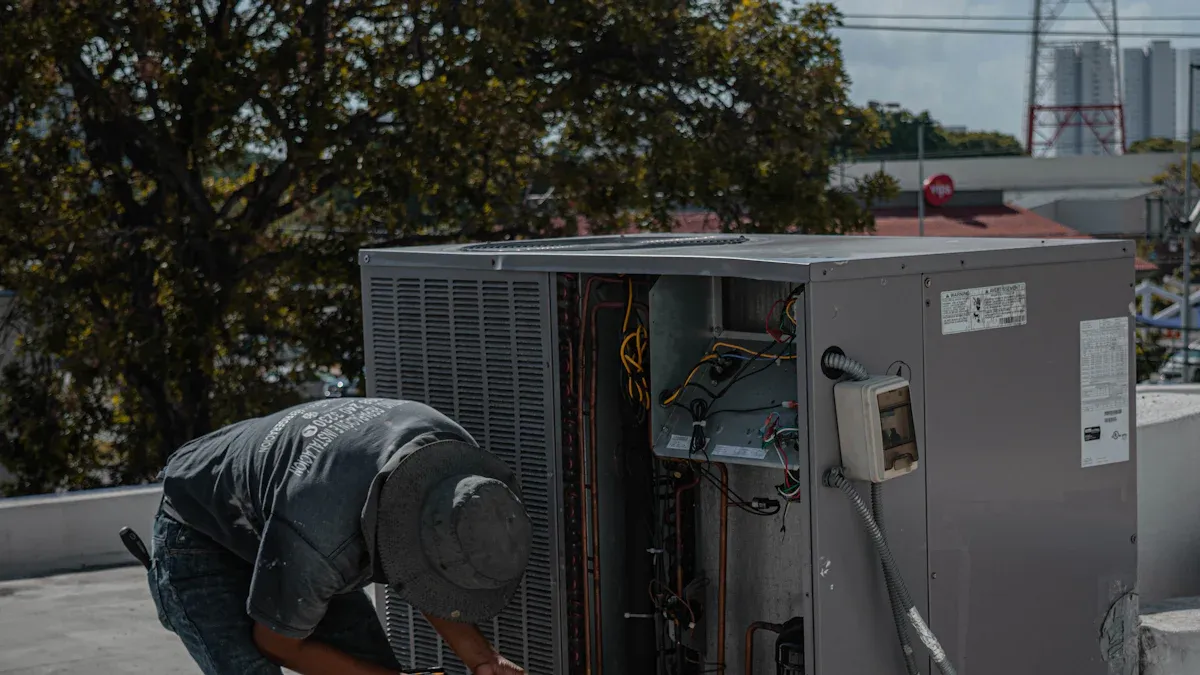
Homeowner Tasks
You can do many ac maintenance jobs yourself. These steps help your system work well and let you find problems early. Here is an easy air conditioner maintenance checklist for homeowners:
Change or clean air filters every 1 to 3 months. This keeps air moving and helps your AC work better.
Check thermostat settings. Make sure your home feels nice and your system does not run too much.
Clean around the outdoor unit. Take away leaves, grass, and dirt. Keep at least two feet of space clear for good airflow.
Look at air vents and registers. Make sure nothing blocks them. Dust or vacuum them if needed.
Listen for strange noises. If you hear rattling, buzzing, or grinding, call a professional.
Watch for water leaks. Check the condensate drain line and pan for clogs or standing water.
Clean the evaporator and condenser coils gently if you see dust or dirt. Use a soft brush or a gentle spray.
Tip: Write down when you change filters. This small step can save you money and trouble later.
Professional Tasks
Some jobs need a trained hvac technician. These jobs keep your system safe and working well. Plan for professional ac maintenance at least once a year. Here is what a pro will do during an air conditioner maintenance visit:
Check and tighten all electrical connections. Loose wires can cause big problems.
Check thermostat calibration and location. A pro makes sure it reads the right temperature.
Lubricate motors and bearings. This helps your system last longer.
Measure blower motor amperage and voltage. This checks if the motor works well.
Clean and check evaporator and condenser coils. Dirty coils make your AC work harder.
Check refrigerant levels and look for leaks. Too much or too little refrigerant can hurt your system.
Flush and treat the condensate drain. This stops mold and water damage.
Look at fan blades and motors for dirt or damage.
Test safety devices and system controls. This keeps your home safe.
Check ductwork for leaks or energy loss.
A professional ac maintenance checklist covers these steps and more. You feel better knowing your system is in great shape.
Task | Who Does It? | How Often? |
|---|---|---|
Change air filter | Homeowner | |
Clean outdoor unit | Homeowner | Monthly |
Check thermostat | Homeowner | Monthly |
Inspect electrical wiring | Professional | Annually |
Check refrigerant levels | Professional | Annually |
Clean coils | Professional | Annually |
Lubricate moving parts | Professional | Annually |
Inspect ductwork | Professional | Annually |
Note: Always let a professional handle electrical work and refrigerant checks. This keeps you safe and protects your AC.
Seasonal Tips
Each season brings new things to watch for with your air conditioner. Use these seasonal tips to keep your system ready all year:
Spring
Plan a professional ac maintenance check before hot weather starts.
Clean the outdoor unit and clear away winter debris.
Test your thermostat. Upgrade to a smart thermostat for better control and savings.
Summer
Check air filters more often. Dust and pollen can clog them quickly.
Listen for strange sounds or weak airflow. Call for hvac services if you notice problems.
Make sure all vents are open and not blocked.
Fall
Clean around the outdoor unit. Remove fallen leaves and branches.
Lower your thermostat setting as the weather cools.
Plan preventative maintenance to get ready for winter.
Winter
Cover the outdoor unit if you do not use it. This keeps out snow and ice.
Check for drafts around windows and doors. Good insulation helps your AC and heater work better.
Watch for warning signs like odd smells or noises. These can mean trouble.
Maintenance Tip | Why It Matters |
|---|---|
Keeps air clean, helps your AC work better, and lowers energy bills | |
Keep outdoor unit clear | Stops damage and helps airflow |
Calibrate thermostat | Makes your home comfortable and saves energy |
Schedule professional checks | Finds problems early and helps your system last longer |
Watch for warning signs | Stops small problems from turning into big repairs |
Sensors and smart tech can find trouble before it starts |
Callout: Preventative maintenance is your best friend. It helps your system last longer and keeps you from paying for big repairs.
A good air conditioner maintenance checklist helps you stay on track. You protect your investment and enjoy cool, clean air all year. When you follow these steps and work with a trusted hvac technician, you get the most from your system.
Preventive Maintenance Tasks
You want your air conditioner to run smoothly all year. Preventive maintenance tasks help you catch small problems before they turn into big ones. When you stay on top of these jobs, your AC works better, uses less energy, and lasts longer. Let’s look at the most important steps you can take.
Electrical Checks
Start with a quick look at your AC’s electrical parts. Loose wires or worn-out connections can cause your system to stop working. You should check for any signs of damage or burning smells near the control board. If you see anything odd, call a professional right away. They will test the voltage, tighten connections, and make sure all safety switches work. These electrical checks are a key part of hvac preventive maintenance. They keep your home safe and your AC reliable.
Tip: Never try to fix electrical problems yourself. Always let a trained technician handle them.
Refrigerant and Pressure
Your AC needs the right amount of refrigerant to cool your home. If the level is too low, you might feel warm air or see ice on the coils. Too much refrigerant can also cause trouble. Regular preventive maintenance tasks include checking refrigerant pressure. A pro will use special tools to measure it. Signs of trouble include hissing sounds, ice buildup, or longer cooling cycles. Keeping the right pressure helps your AC cool better and prevents damage to the compressor.
Warm air from vents can mean low refrigerant.
Ice on coils or pipes is a warning sign.
Hissing or bubbling noises may point to leaks.
When you schedule preventative maintenance, ask your technician to check for leaks and refill refrigerant if needed.
Sensor and Thermostat Care
Sensors and thermostats help your AC know when to turn on or off. Dust or dirt can make sensors read the wrong temperature. Clean your thermostat and sensors gently with a soft cloth. Make sure your thermostat sits about five feet above the floor for the best results. Smart thermostats can send you alerts if something goes wrong. Update their software when you can. Calibrate your thermostat every season to keep your home comfortable.
Note: Regular sensor checks and thermostat care are simple preventive maintenance tasks that keep your system running smoothly.
By following these steps, you make sure your AC stays efficient and reliable. Preventive maintenance tasks are the best way to avoid costly repairs and enjoy cool air all summer.
Troubleshooting AC Issues
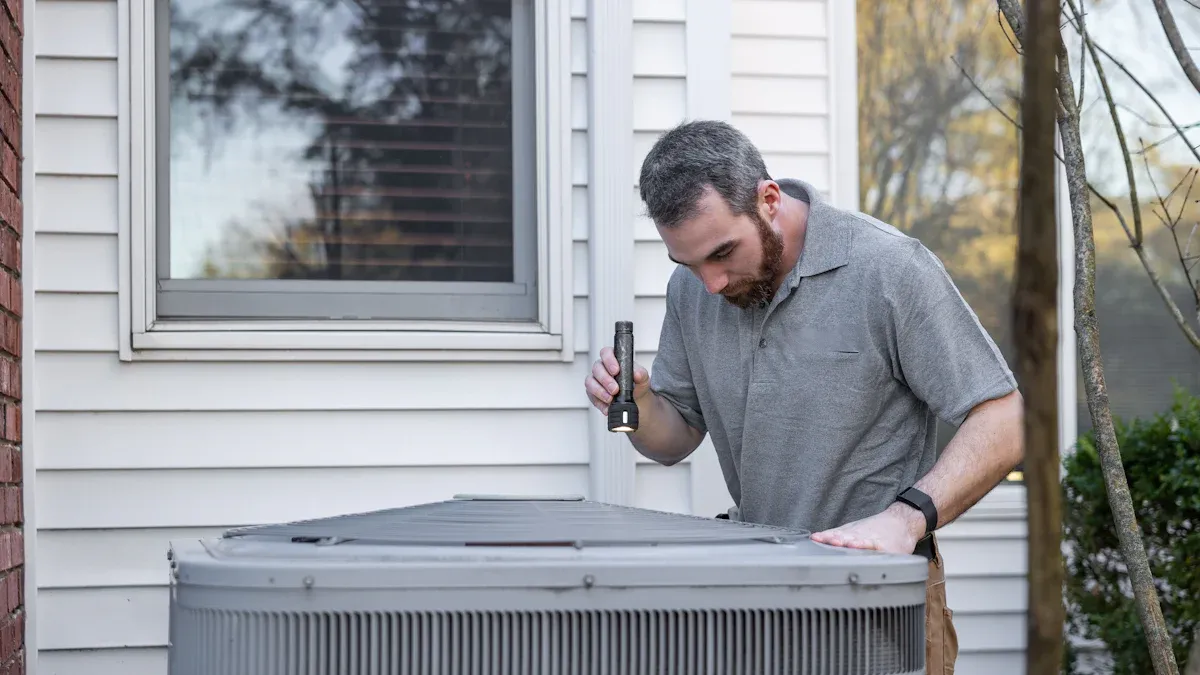
When your AC acts up, you want answers fast. Let’s walk through the most common problems and how you can spot them before they get worse.
Sensor Problems
Sensors help your AC know when to turn on or off. If a sensor goes bad, you might notice the room feels too hot or too cold. Sometimes, the AC turns on and off too much or not at all. Here’s what you can do:
Check if the thermostat has dead batteries.
Look at the sensor’s position. It should not touch the coil.
Gently clean the sensor with a soft cloth.
Reset or recalibrate the sensor if your thermostat allows it.
If the problem sticks around, call an hvac technician.
Tip: If your thermostat does not respond or the temperature feels wrong, these are signs your ac needs maintenance.
Refrigerant Issues
Refrigerant keeps your AC cool. If there’s a leak or the level drops, you might feel warm air or see ice on the coils. Here’s what to watch for:
AC blows warm air or cools poorly.
Ice forms on the evaporator coil.
You hear hissing or bubbling sounds.
Low refrigerant can freeze your system or make it run all the time. Dirty filters or closed vents can also cause freezing. Only a trained hvac technician should handle refrigerant leaks and recharge the system. Regular filter changes help prevent these problems.
Electrical and Circuit Board Faults
Electrical issues can stop your AC from working. Warning signs include:
The AC won’t start or keeps shutting off.
You hear buzzing or see burn marks on the control board.
If you spot melted wires or smell burning, turn off the power and call a pro. Electrical problems can be dangerous, so let an expert handle repairs.
Valve and Compressor Concerns
The compressor is the heart of your AC. If it fails, your system can’t cool. Watch for these clues:
Weak or no cooling.
Pressure readings that seem off.
A faulty valve or compressor can cause low pressure or strange sounds. An hvac technician will check pressures, listen for odd noises, and test the valves. Sometimes, replacing the compressor or valve is the best fix.
Note: If you notice any of these problems, don’t wait. Quick action keeps your AC running strong and helps you avoid bigger repairs.
Professional HVAC Systems Maintenance
Annual Inspection
You want your air conditioner to work its best every year. That’s where annual ac maintenance comes in. When you schedule a yearly checkup, a technician looks at every part of your system. They check the thermostat, filters, and all the electrical connections. They also inspect the evaporator coils, drain pan, and outdoor condenser unit. You get peace of mind because they test for gas leaks and carbon monoxide, making sure your home stays safe.
Here’s what a typical annual inspection covers:
Check and calibrate the thermostat.
Inspect and clean filters, coils, and fins.
Test electrical connections and controls.
Look for leaks in air ducts and check airflow.
Clean and clear condensate drains.
Lubricate moving parts like motors and blower wheels.
Test safety devices and carbon monoxide detectors.
Tip: Schedule your professional ac maintenance in spring or early fall. This way, your system is ready for the hottest or coldest days.
Advanced Repairs
Sometimes, your AC needs more than just a tune-up. Professional hvac systems maintenance includes advanced repairs that only trained technicians can handle. These repairs might sound tricky, but they keep your system running strong.
Here are some common advanced repairs:
Find and fix refrigerant leaks.
Repair or replace the compressor.
Replace faulty capacitors and fix wiring issues.
Clean or replace coils for better cooling.
Repair fan motors or blades.
Calibrate or replace the thermostat.
Unclog drainage systems to stop water damage.
These jobs need special tools and skills. You should always call a pro for these repairs.
When to Replace vs. Repair
You might wonder if you should fix your AC or get a new one. Here’s how you can decide:
Factor | What to Look For |
|---|---|
Age | If your system is over 12 years old, replacement is a smart choice. |
Repair Costs | If repairs cost half as much as a new unit, replacement makes more sense. |
High bills mean your AC is not efficient. Newer models save money. | |
Comfort | Hot rooms or lots of dust mean your system may be failing. |
Noise | Loud sounds can signal big problems. |
If your AC breaks down often or uses old refrigerant, it’s time to think about a new one. But if you only have a small problem, a repair can keep your system going.
Note: Regular professional hvac systems maintenance helps you spot problems early, so you can make the best choice for your home.
Performance Tips
Smart Thermostat Use
Smart thermostats make your life easier and help you save money. These devices learn your daily routine and adjust the temperature when you are home or away. You can control them from your phone, so you never waste energy cooling an empty house. Many smart thermostats use sensors and weather data to keep your home comfortable. Some even show you reports about your energy use. You can save up to 10% on your cooling bills each year just by letting your thermostat do the work. Features like geofencing and voice control add even more convenience. If you want to lower your carbon footprint, a smart thermostat is a great choice.
Tip: Set your smart thermostat to “away” mode when you leave. This small step can cut down on energy waste.
Improving Airflow
Good airflow keeps your AC running strong and your home feeling fresh. Start by changing your air filter every month. Dirty filters block air and make your system work harder. Keep vents and registers open and clear of furniture. Open doors inside your home to let air move freely. Seal any cracks around windows and doors to stop cool air from escaping. Schedule regular AC tune-ups to check for leaks and clean the coils. If you notice hot or cold spots, ask about zoned systems or smart vents. These upgrades help balance the temperature in every room. Using fans and adding attic insulation also boost airflow and comfort.
Keep vents clear
Seal gaps and cracks
Schedule regular maintenance
Installation Best Practices
A good installation sets your AC up for years of smooth operation. Always hire a certified professional for the job. They will clear the area, remove old equipment, and make sure your new system fits your home. Proper ductwork and insulation stop energy loss and keep your bills low. The installer will test the system, check the thermostat, and make sure everything runs safely. Choose equipment with a high SEER rating for better efficiency. Remember to ask about indoor air quality solutions, like advanced filters or humidity control, to keep your air clean and healthy. Regular checkups and filter changes help your system last longer and work better.
Note: Poor installation can lower your AC’s efficiency by up to 30%. Always trust the experts for this important step.
You can keep your AC running strong by following a few simple steps:
Clear debris around your unit.
Listen for odd noises or leaks.
Schedule professional maintenance every year.
Regular care saves money, lowers energy bills, and keeps your air clean. Don’t wait for problems—stay ahead and enjoy cool comfort all year!
FAQ
How often should you schedule professional AC maintenance?
You should schedule professional AC maintenance once a year. Spring is the best time. This keeps your system ready for hot weather and helps you avoid surprise breakdowns.
What signs show your AC needs repair?
Look for weak airflow, strange noises, or warm air. If your AC leaks water or smells odd, call a technician. These signs mean your system needs help.
Can you clean AC coils yourself?
Yes, you can clean coils with a soft brush or gentle water spray. Always turn off the power first. If you see heavy dirt or damage, call a professional.
Why does your AC freeze up?
Your AC may freeze up if the filter is dirty or refrigerant is low. Blocked airflow or sensor problems can also cause freezing. Change filters often and get regular checkups.
What should you do if your AC won’t turn on?
First, check the thermostat and power supply. Make sure the circuit breaker is on. If your AC still won’t start, call a professional for help.