
Air-cooled heat pumps use air to heat or cool spaces. Unlike ground-source pumps, they don’t need underground pipes. This makes them easier to install in most homes. They are important for modern heating and cooling because they save energy and help the environment.
More people are using air-cooled heat pumps now. For example, in 2022, the global heat pump market made $66.5 billion. It is growing by about 8.80% every year. By 2025, 40% of new home heating systems in Europe may use heat pumps. These systems can save families around $160 or more each year on energy bills. This shows how heat pumps help lower costs.
Using air-cooled heat pumps cuts energy use and helps the planet. These pumps work well for both heating and cooling, keeping homes comfortable all year.
Key Takeaways
Air-cooled heat pumps save energy by moving heat, not making it.
Clean filters and check refrigerant often to keep it working well.
Install it correctly; make sure the outdoor unit gets airflow.
Don’t skip checks or block airflow to avoid problems.
Using heat pumps wisely saves money and helps the planet.
How Heat Pumps Work
Knowing how heat pumps work helps you understand their importance. These systems use smart technology to move heat efficiently. They keep your home cozy in winter and cool in summer.
Heat Transfer Process
Heat pumps use the refrigeration cycle and thermodynamics to move heat. Normally, heat flows from warm places to cooler ones. Heat pumps reverse this by using energy to move heat. They can move heat from cold areas to warm ones, depending on the setting.
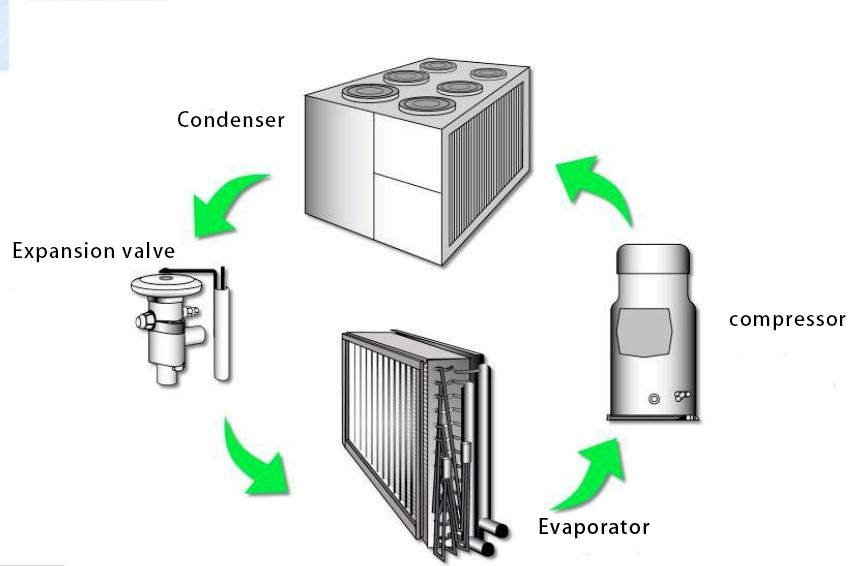
A refrigerant starts the process. This special liquid absorbs and releases heat as it changes between gas and liquid. In heating mode, it takes heat from outside air, even if it’s cold. The refrigerant goes through a compressor, which makes it hotter and increases pressure. Then, it releases heat inside your home through coils. In cooling mode, the refrigerant takes heat from inside and moves it outside, cooling your home.
Heat moves through conduction, convection, and radiation. These methods make heat pumps energy-efficient and reliable for heating and cooling.
Tip: Heat pump efficiency is measured by Coefficient of Performance (COP). A higher COP means better energy savings and lower costs.
Key Components
Air-cooled heat pumps have parts that work together to heat or cool:
Compressor: Compresses refrigerant, making it hotter and increasing pressure.
Condenser Coil: Releases heat outside during cooling or absorbs heat during heating.
Evaporator Coil: Takes heat from air or water, depending on the setting.
Reversing Valve: Changes refrigerant direction for heating or cooling.
Expansion Valve: Controls refrigerant flow for best performance.
Fan: Moves air over coils to help heat transfer.
These parts work together to make heat pumps efficient. For example, the reversing valve lets the system switch between heating and cooling, making it useful all year.
Heating and Cooling Modes
Air-cooled heat pumps are great for heating and cooling. In heating mode, they take heat from outside air and bring it inside. Even in cold weather, they can find heat in the air. This makes them a good choice instead of regular heaters.
In cooling mode, they do the opposite. They take heat from inside and move it outside. This means you don’t need separate systems for heating and cooling. It saves money and space.
Aspect | Heat Pump | Air Conditioner |
|---|---|---|
Functionality | Only cools; needs furnace for heating | |
Energy Efficiency | Works well in mild climates; less efficient in extreme cold | Good for cooling only; no heating ability |
Cost | Costs more upfront due to dual use | Costs less but needs extra heating equipment |
Understanding these modes shows why air-source heat pumps are popular. They save energy and keep homes comfortable all year.
Note: Research shows heat pumps can cut home energy use by up to 47%, depending on efficiency and climate.
Installation and Maintenance

Setting up and taking care of your air-cooled heat pump is very important. Doing it right helps it work well for a long time. It also saves energy, keeps you comfortable, and avoids expensive repairs.
Proper Installation Practices
Installing a heat pump the right way is key to good performance. A professional installer makes sure it’s safe and works properly. Here are some important steps:
Follow rules like ACCA QI-5 and ASHRAE standard 221.
Use the manufacturer’s guide for setup instructions.
Check refrigerant levels and airflow for better efficiency.
Place the outdoor unit in a clear, open spot with good airflow.
Attach the mounting plate to studs before adding the air handler.
Keep indoor units within 30 feet of the outdoor unit.
Get permits and inspections before starting the installation.
Tip: Testing all modes, checking airflow, and ensuring power connections during setup helps your heat pump last longer and work better.
Installers should also teach homeowners about basic care and any tax benefits. Picking the right heat pump for your home and weather is just as important. Always choose a trusted brand and ask for expert help if needed.
Regular Maintenance Tasks
Taking care of your heat pump regularly helps it last longer and work efficiently. These simple tasks can stop problems before they start. Use this checklist:
Task | What to Do |
|---|---|
Clean or change air filter | Replace filters every month during busy heating or cooling times. |
Clear debris around unit | Keep plants and trash at least 18 inches away from the outdoor unit. |
Check outdoor coils | Look for dirt and clean them as the manual suggests. |
Remove snow or ice | Make sure no snow or ice blocks the outdoor unit in winter. |
Lubricate moving parts | Reduce wear and improve performance during professional checkups. |
Also, check air ducts for blockages or damage. Clean vents to keep air flowing well. Before each season, inspect the system to fix small issues early.
Maintenance Tip: Tighten wires and check motor voltage yearly to avoid problems and keep parts working longer.
By doing these tasks often, your heat pump will stay efficient and keep your home comfortable all year.
Troubleshooting and Professional Servicing
Even with good care, heat pumps can have problems. Knowing how to fix small issues can save you money. Here are some common problems and their causes:
Problem | Possible Cause |
|---|---|
Heating not working | Thermostat settings or broken parts. |
Hot water issues | Settings affecting water temperature or quality. |
Installation mistakes | Poor setup causing long-term problems. |
If your heat pump is noisy or less efficient, check the thermostat and clear debris from the outdoor unit. For bigger problems, like leaks or electrical issues, call a professional. Experts can check refrigerant levels, test parts, and fix serious issues.
Note: Getting your heat pump serviced by a pro once a year prevents breakdowns and keeps it running smoothly.
By fixing small problems early and getting expert help when needed, your heat pump will stay reliable and keep your home cozy all year.
Precautions for Air-cooled Heat Pumps
Common Mistakes to Avoid
Avoiding mistakes helps your heat pump work better and last longer. Many people skip simple care, which lowers its performance. Here are errors to avoid:
Skipping regular checks: Not checking often can turn small problems into big repairs.
Improper installation: Putting the outdoor unit in a tight or bad spot blocks airflow.
Ignoring refrigerant levels: Low refrigerant makes heating and cooling less effective.
Frequent thermostat changes: Changing the thermostat too much wears out the system faster.
Blocking airflow: Snow, ice, or trash near the unit stops air from moving freely.
Avoiding these mistakes saves energy and keeps your home comfy all year.
Safety Measures
Safety is key when using heat pumps. Following rules keeps you and your system safe. Trusted certifications ensure the parts meet safety standards. For example:
AHRI suggests following national safety rules.
AHRI’s programs use ISO/IEC 17065 for trusted guidelines.
AHRI has over 100 standards to ensure quality and trust.
Also, take these steps:
Check electrical connections: Loose wires can cause problems or be dangerous.
Prevent overheating: Make sure the system has good airflow to stay cool.
Monitor pressure levels: Wrong pressure can damage the compressor.
Regular care and expert help make your system safer and more reliable.
Environmental Considerations
Air-cooled heat pumps save energy and help the planet. But, you need to use them wisely to lower their impact.
Choose the best climates for heat pumps: They work best in mild weather, saving energy.
Dispose of refrigerants properly: Handle refrigerants carefully to avoid harming the environment.
Optimize energy efficiency: Clean filters and coils often to use less energy and cut emissions.
Using heat pumps responsibly helps the planet and saves you money.
Air-cooled heat pumps heat and cool homes by moving heat, not making it. Taking care of them helps them work better, boosting energy use by 25%. Easy jobs like cleaning filters every three months and removing debris near outdoor units stop big problems. Getting a professional to check them yearly also makes them last longer.
Using smart tips, like picking the right size heat pump and joining rebate programs like BayREN, keeps them safe and efficient. These actions save energy, cut costs, and keep your home comfy all year.
FAQ
How long does an air-cooled heat pump last?
Air-cooled heat pumps usually work for 10 to 15 years. Taking care of them, like cleaning filters and checking refrigerant, helps them last longer.
Can heat pumps work in very cold weather?
Yes, newer heat pumps can work in cold places. But, they might not be as efficient in freezing weather. You may need extra heating when it’s extremely cold.
How often should you get your heat pump checked?
You should have a professional check your heat pump once a year. This keeps it working well and avoids expensive fixes. Cleaning filters and checking the unit often also helps it stay efficient.
Are heat pumps loud?
Air-cooled heat pumps are usually quiet. The noise depends on the type and how it’s installed. Putting the outdoor unit away from windows can make it less noticeable.
Can a heat pump replace both a heater and an air conditioner?
Yes, heat pumps can heat and cool your home. They don’t need separate systems, saving space and energy. This makes them a good choice for all-year comfort.