

An air handler plays a vital role in any HVAC setup. It regulates and circulates air throughout the heating and cooling system, ensuring consistent indoor comfort. By managing airflow, it supports efficient temperature control and enhances energy performance. The growing emphasis on energy efficiency and indoor air quality has made air handlers indispensable in modern HVAC systems. Additionally, advancements like IoT integration and smart sensors allow air handlers to optimize energy use and streamline maintenance, further improving their operational value.
Key Takeaways
Air handlers help move and control air in HVAC systems.
They clean the air by removing dust and allergens, making it healthier.
Installing air handlers correctly and choosing the right size is important.
Taking care of air handlers, like changing filters, makes them last longer.
Air handlers work with air conditioners and heat pumps to spread cool or warm air.
Picking an air handler depends on your weather, money, and heating or cooling needs.
New air handlers have special motors that save energy and improve airflow.
Asking HVAC experts helps you choose and install the best air handler for your home.
What Is an Air Handler?
Definition and Purpose
An air handler, also known as an air handling unit (AHU), is a critical component of HVAC systems. It manages and circulates air within a building, ensuring a comfortable and healthy indoor environment. Air handlers are typically paired with heat pumps or air conditioners to distribute conditioned air through ductwork. They play a vital role in maintaining consistent airflow, temperature, and humidity levels.
The primary purpose of an air handler is to condition and move air efficiently. It draws air from both inside and outside the building, filters it to remove dust and allergens, and adjusts its temperature before circulating it. This process not only enhances indoor comfort but also improves air quality. In large spaces like schools or malls, air handling units are essential for meeting air cleanliness regulations and ensuring safety.
Key Components of an Air Handler
Air handlers consist of several key components that work together to regulate airflow and temperature. These include:
Blower Motor: Responsible for moving air through the system. Modern air handlers often feature ECM motors, which allow for precise speed control and improved energy efficiency.
Evaporator Coil: Cools the air by removing heat, often using refrigerants.
Filters: Remove dust, allergens, and other particles, contributing to better indoor air quality.
Heating and Cooling Coils: Adjust the air’s temperature. Heating coils may use hot water or electricity, while cooling coils are connected to a refrigerant system.
Cabinet: Houses all internal components and is often insulated to prevent heat or cold loss.
Fans: Draw air into the system and push it through ducts and diffusers.
These components work in harmony to ensure the air handler operates efficiently. For example, the R454B 14.3 SEER2 Air Handler features advanced copper tube and aluminum fin coil designs, which enhance heat exchange efficiency and reliability. Its insulated cabinet minimizes heat loss, while its optional air filter improves air quality.
How Air Handler Work in HVAC Systems
Understanding how air handlers work is essential for appreciating their role in HVAC systems. Air handlers intake air from both inside and outside the building. The air passes through filters, which remove contaminants. Next, the heating or cooling coils adjust the air’s temperature based on the desired indoor climate. Finally, fans distribute the conditioned air through ductwork to various rooms.
This process ensures optimal temperature, humidity, and air quality. For instance, the R454B air handler’s 5-stage blower and ECM motor allow for precise airflow control, meeting specific capacity needs. Its multi-position installation capability also makes it adaptable to different HVAC configurations. By efficiently circulating air, air handlers contribute to energy savings and enhanced indoor comfort.

Air Handler vs Other HVAC Components
Air Handler vs Air Conditioner
When comparing an air handler to an air conditioner, it’s essential to understand their distinct roles in an HVAC system. An air handler primarily circulates and conditions air, while an air conditioner focuses on cooling the air. The air handler works in tandem with the air conditioner, distributing the cooled air throughout the building via ductwork. Without an air handler, the air conditioner would struggle to maintain consistent airflow and temperature.
The air conditioner functionality depends on its ability to remove heat from indoor air. It uses refrigerants to absorb heat and expel it outside. In contrast, the air handler ensures that this cooled air reaches every corner of your space. For example, the R454B 14.3 SEER2 Air Handler enhances this process with its advanced blower motor and multi-position installation options, ensuring efficient air distribution.
While both components are vital, their efficiency depends on how well they complement each other. A high-performance air handler paired with an energy-efficient air conditioning system can significantly improve indoor comfort and reduce energy costs.
Furnace vs Air Handler
The furnace vs air handler debate often arises when choosing a heating system. Furnaces generate heat by burning fuel or using electricity, while air handlers rely on external sources like heat pumps or air conditioners to condition and circulate air. This fundamental difference highlights their unique roles in HVAC systems.
Feature | Air Handler | Furnace |
|---|---|---|
Primary Function | Circulates and conditions air; does not generate heat | Generates heat through combustion or electrical means |
Energy Source | Relies on external sources (heat pump/AC) | Uses natural gas, propane, heating oil, or electricity |
Installation and Placement | Typically installed indoors; flexible placement | Can be installed indoors or outdoors; venting required |
Air Quality Considerations | Includes air filters for improved air quality | May produce combustion byproducts; requires venting |
Efficiency and Cost Factors | Energy-efficient; depends on paired system’s efficiency | Efficiency varies by type; fuel source impacts costs |
Furnaces are rated using the Annual Fuel Utilization Efficiency (AFUE) metric, which measures how efficiently they convert fuel into heat. In contrast, air handlers don’t have a specific efficiency rating. Instead, their performance depends on the Seasonal Energy Efficiency Ratio (SEER) of the paired heat pump or air conditioner. This makes air handlers a more flexible option for those prioritizing energy efficiency and air quality.
Air Handler vs Heat Pump
The comparison between an air handler and a heat pump often confuses homeowners. A heat pump is a complete heating and cooling system that transfers heat between indoor and outdoor spaces. An air handler, on the other hand, supports the heat pump by circulating the conditioned air throughout the building.
Heat pump systems are highly efficient, especially in moderate climates. They work seamlessly with air handlers to maintain consistent indoor temperatures. For instance, the R454B air handler’s copper tube and aluminum fin coil design enhance heat exchange efficiency, making it an excellent partner for heat pumps. Additionally, its optional electric heating units provide supplementary warmth during colder months.
The key differences lie in their functions. The heat pump generates heating or cooling, while the air handler ensures that this conditioned air reaches every room. Together, they form a powerful duo for maintaining indoor comfort.
Choosing Between an Air Handler and Other Components
When deciding between an air handler and other HVAC components, I always recommend evaluating your specific needs and environmental conditions. Each component serves a distinct purpose, and understanding these differences ensures you make the right choice for your home or business.
Comparing Air Handlers and Furnaces
Air handlers and furnaces often come up in discussions about heating systems. While both contribute to indoor comfort, their functions and applications differ significantly. Air handlers work with heat pumps or air conditioners to circulate conditioned air, making them ideal for mild winters and hot summers. Furnaces, on the other hand, generate heat directly, which makes them better suited for regions with harsh winters.
Here’s a quick comparison to help clarify:
Criteria | Air Handlers | Furnaces |
|---|---|---|
Climate Conditions | Suitable for mild winters and hot summers | Best for severe cold winters |
Efficiency | Flexible and efficient with heat pumps | Economical for adequate heating |
Specific Heating Needs | Provides year-round comfort | Robust heating power |
From my experience, air handlers excel in versatility. They pair seamlessly with air conditioners to deliver efficient cooling during summer and can support heat pumps for moderate heating in winter. Furnaces, however, shine when powerful heating is a priority.
Air Handlers and Air Conditioners: A Perfect Pair
Air handlers and air conditioners complement each other perfectly. The air handler circulates the cooled air produced by the air conditioner, ensuring even distribution throughout your space. Without an air handler, the air conditioner would struggle to maintain consistent airflow. For example, the R454B air handler’s advanced blower motor enhances this process, delivering precise airflow control and energy efficiency.
If you’re in a region with hot summers, pairing a high-performance air handler with an energy-efficient air conditioner can significantly improve indoor comfort. This combination not only cools your space effectively but also reduces energy costs.
Making the Right Choice
Choosing between an air handler and other components depends on your climate, budget, and specific heating or cooling needs. If you live in a region with mild winters, an air handler paired with a heat pump or air conditioner offers year-round comfort. For colder climates, a furnace might be the better option due to its robust heating capabilities.
Ultimately, I recommend consulting with an HVAC professional to assess your unique requirements. They can guide you in selecting the right system, ensuring optimal performance and energy efficiency.
Benefits and Applications of Air Handlers
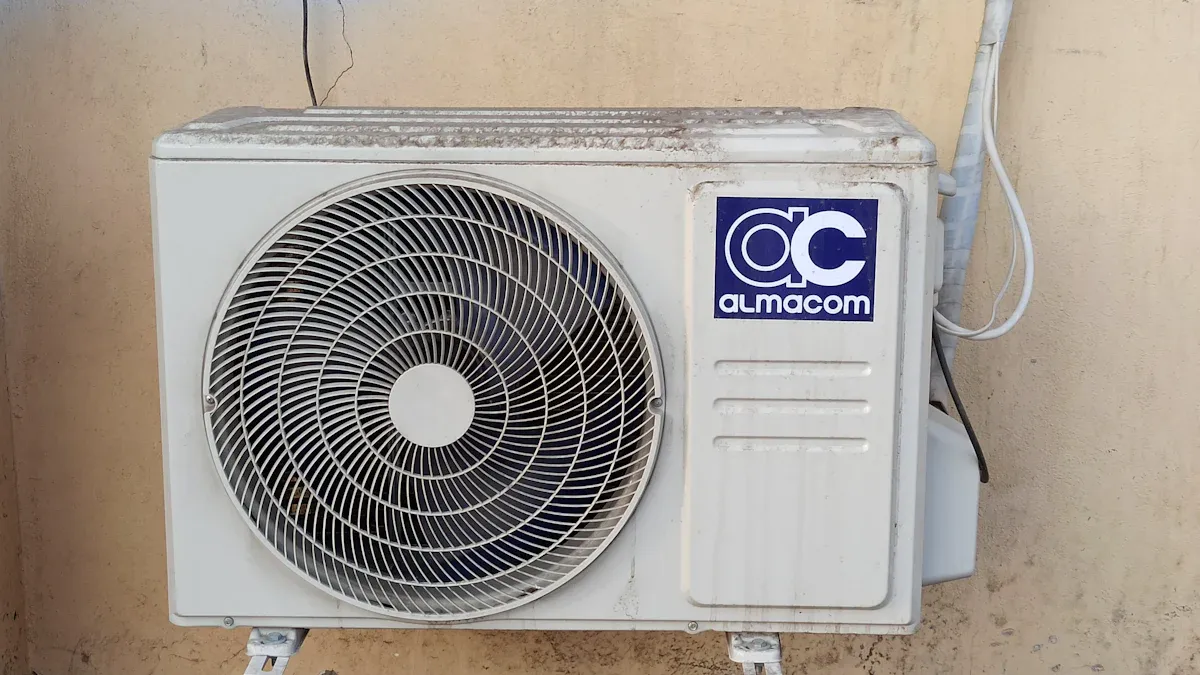
Enhancing Heating Efficiency
Air handlers play a pivotal role in improving heating efficiency within HVAC systems. By ensuring consistent airflow and precise temperature control, they optimize the performance of the entire heating system. For instance, I’ve seen how advanced air handlers, like the Trane® Performance Climate Changer®, enhance energy efficiency while minimizing maintenance needs. This directly contributes to better heating performance and overall system effectiveness.
The integration of air handlers with energy storage systems further amplifies their impact. A case study by Oak Ridge National Laboratory demonstrated that combining energy storage with HVAC units achieved a 70% energy storage effectiveness. This integration improved HVAC performance by 35%, showcasing the significant role air handlers play in enhancing heating capacity and energy efficiency ratings. These advancements not only reduce energy consumption but also lower operational costs, making air handlers a cost-effective solution for modern heating systems.
Improving Indoor Air Quality
Maintaining cleaner indoor air is essential for health and well-being, especially as people spend most of their time indoors. Air handlers contribute significantly to this by filtering out dust, allergens, and other pollutants. I’ve observed how modern air handlers, equipped with advanced filtration systems, ensure a healthier indoor environment. For example, the R454B air handler offers an optional detachable air filter that can be easily cleaned or replaced, promoting cleaner indoor air.
Recent advancements in technology have enabled precise monitoring of indoor air quality (IAQ). These innovations highlight the effectiveness of air handlers in improving air quality. By removing harmful particles and maintaining optimal humidity levels, air handlers create a comfortable and safe indoor environment. This is particularly important in spaces like schools, hospitals, and offices, where air quality directly impacts productivity and health.
Versatility in HVAC Configurations
One of the standout features of air handlers is their versatility in adapting to various HVAC configurations. They effectively distribute conditioned air throughout different spaces, ensuring consistent temperature settings. I’ve seen how air handlers, especially those with multi-position installation capabilities like the R454B, seamlessly integrate into diverse system setups. Their ability to modulate air volume enhances overall system performance, making them an indispensable component of HVAC systems.
In multi-zone air conditioning systems, air handlers work alongside control units and dampers to regulate airflow. This ensures efficient operation and temperature regulation across different zones. Whether it’s a residential setup or a commercial building, air handlers provide the flexibility needed to meet specific cooling needs and heating requirements. Their adaptability not only improves energy efficiency ratings but also enhances cost-effectiveness, making them a valuable investment for any HVAC system.
Residential and Commercial Applications
Air handlers serve as a cornerstone in both residential and commercial HVAC systems. Their adaptability allows them to meet the unique demands of different environments, ensuring optimal indoor comfort and air quality.
Residential Applications
In homes, air handlers provide efficient heating and cooling solutions tailored to individual needs. I’ve seen how homeowners benefit from their ability to maintain consistent airflow and temperature control. For example, the R454B air handler’s multi-position installation capability makes it ideal for various residential layouts. Whether installed in a basement, attic, or utility closet, it integrates seamlessly into existing ductwork.
Modern air handlers also enhance indoor air quality in residential spaces. Their advanced filtration systems remove dust, allergens, and pollutants, creating a healthier living environment. Families with allergies or respiratory concerns often prioritize air handlers for this reason. Additionally, optional electric heating units, like those available with the R454B, provide supplementary warmth during colder months, making them a versatile choice for year-round comfort.
Commercial Applications
In commercial settings, air handlers play a critical role in maintaining large-scale climate control. Offices, schools, hospitals, and retail spaces rely on air handlers to regulate temperature and humidity across multiple zones. I’ve observed how their robust design and capacity range make them suitable for light commercial applications. For instance, the R454B air handler’s 10.5 kW to 16 kW capacity ensures reliable performance in spaces with varying heating and cooling demands.
Commercial air handlers often feature advanced components like ECM motors and multi-stage blowers. These technologies optimize airflow and energy efficiency, reducing operational costs for businesses. The insulated cabinet design minimizes heat loss, ensuring consistent performance even in demanding environments. Additionally, the optional detachable air filter promotes cleaner air, which is vital in spaces like hospitals and schools where air quality directly impacts health and productivity.
Versatility Across Applications
The versatility of air handlers makes them indispensable in both residential and commercial HVAC systems. Their ability to adapt to different configurations ensures they meet specific requirements, whether it’s a single-family home or a multi-zone office building. I always recommend air handlers for their reliability and efficiency in delivering consistent indoor comfort.
Tip: When selecting an air handler for residential or commercial use, consider factors like capacity, installation flexibility, and air quality features. Consulting an HVAC professional ensures the system aligns with your specific needs.
Installation and Maintenance of Air Handlers
Installation Considerations
Proper installation of an air handler is critical for achieving optimal performance and energy efficiency. From my experience, I’ve seen how small oversights during installation can lead to inefficiencies and increased operational costs. To avoid these issues, it’s essential to focus on key considerations that ensure the system operates effectively.
Description | |
|---|---|
Regular Maintenance | Ensures air handling units operate at peak efficiency by keeping components clean and functional. |
Optimize Physical Installation | Proper placement of sensors and equipment is crucial to avoid inefficiencies. |
System Sizing | Correct sizing of HVAC units prevents inefficiencies and excessive energy consumption. |
Evaluate Existing System | A comprehensive review of HVAC components helps identify inefficiencies. |
Engage Professional Auditor | A professional can uncover hidden inefficiencies that may not be immediately apparent. |
When installing an air handler, I always recommend evaluating the existing HVAC system first. This helps identify any inefficiencies that could impact the new unit’s performance. Additionally, ensuring the system is correctly sized for the space prevents energy waste and ensures consistent airflow. For example, an oversized unit may cycle on and off too frequently, while an undersized one may struggle to maintain the desired temperature.
Professional Installation vs DIY
The decision between professional installation and a DIY approach often comes down to cost and expertise. While DIY might seem like a cost-saving option, I’ve found that professional installation offers significant long-term benefits.
Professional installation minimizes safety risks, such as gas leaks or carbon monoxide exposure.
It reduces the likelihood of future repairs by ensuring the system is installed correctly.
Long-term savings are achieved through energy-efficient systems that professionals can help select and install.
Warranty protection is often contingent on professional installation, preventing potential costs from DIY errors.
From my perspective, the expertise of a professional installer ensures that the air handler integrates seamlessly with the existing heating system or forced-air heating setup. This not only enhances performance but also extends the lifespan of the unit. For instance, a poorly installed furnace or air handler can lead to uneven airflow and higher energy bills. By investing in professional installation, you can avoid these pitfalls and enjoy a more efficient system.
Maintenance Tips for Optimal Performance
Regular maintenance is essential for keeping your air handler in top condition. I’ve seen how a well-maintained unit can significantly improve indoor air quality and reduce energy costs. Here are some key maintenance practices I recommend:
Develop a preventive maintenance plan that includes indoor air quality (IAQ) checks and energy efficiency assessments.
Focus on IAQ management by regularly cleaning or replacing air filters to minimize pollutants and ensure adequate ventilation.
Inspect the evaporator and heating coils for dirt and debris, as these can reduce heat exchange efficiency.
Schedule periodic professional inspections to address potential issues before they escalate.
A successful maintenance program not only ensures the air handler operates efficiently but also contributes to a healthier indoor environment. For example, the R454B air handler offers an optional detachable air filter, which makes cleaning and replacement straightforward. This feature simplifies maintenance and helps maintain consistent airflow and temperature control.
Tip: Always follow the manufacturer’s guidelines for maintenance. This ensures the unit operates as intended and helps maintain warranty coverage.
Signs of Wear and When to Replace
Air handlers, like any mechanical system, show signs of wear over time. Recognizing these indicators early can prevent costly repairs and ensure your HVAC system operates efficiently. From my experience, I’ve found that understanding these signs helps homeowners and businesses make informed decisions about repairs or replacements.
Common Problems: Wear and tear
One of the most noticeable signs of wear is uneven cooling or heating. If certain rooms feel significantly warmer or cooler than others, the air handler may struggle to distribute air evenly. Weak airflow is another common issue. When airflow from vents feels weaker than usual, it often points to a failing blower motor or a clogged filter. These problems not only reduce comfort but also strain the system, leading to higher energy consumption.
Rising energy bills can also signal an inefficient air handler. A sudden increase in energy costs often means the unit is working harder than necessary to maintain indoor comfort. Unusual noises, such as banging or rattling, may indicate loose components or a failing motor. These sounds should never be ignored, as they can lead to more severe damage if left unaddressed.
Visible wear and tear, such as cracks or corrosion on the unit, often suggest age-related issues. Systems nearing 10 to 15 years of use typically require a thorough evaluation. Frequent repairs are another red flag. If repair costs start to add up, replacing the air handler may be more cost-effective in the long run.
Here’s a quick reference table summarizing these indicators:
Indicator | Description |
|---|---|
Uneven Cooling | Hot and cold zones indicate difficulty in distributing air evenly. |
Weak Airflow | Suggests a failing blower motor or clogged filter. |
Rising Energy Bills | Points to an inefficient system working harder than necessary. |
Unusual Noises | Signals loose components or a failing blower motor. |
Visible Wear and Tear | Cracks or corrosion indicate age-related performance issues. |
Age of Your System | Units nearing 10-15 years may need replacement. |
Frequent Repairs | Constant repairs suggest replacement is more cost-effective. |
Tip: Regular maintenance can delay many of these issues. However, when multiple signs appear simultaneously, it’s time to consult an HVAC professional. They can assess whether repairs will suffice or if a replacement is the better option.
Replacing an air handler might seem like a significant investment, but it often pays off in energy savings and improved comfort. For example, modern units like the R454B 14.3 SEER2 Air Handler offer advanced features such as multi-stage blowers and insulated cabinets, which enhance efficiency and reliability. Upgrading to a newer model ensures your HVAC system operates at peak performance while reducing long-term costs.
Air handlers are essential for maintaining comfort and efficiency in HVAC systems. They regulate airflow, improve indoor air quality, and enhance energy performance. Proper installation and regular maintenance ensure these systems operate at peak efficiency, reducing costs and extending their lifespan. I always recommend consulting HVAC professionals to assess your specific needs. Their expertise guarantees the right air handler selection and seamless integration into your system, delivering optimal results for your home or business.

NEWEX can provide you with air handler products. If you need them, please contact us.

FAQ
What is the lifespan of an air handler?
The average lifespan of an air handler is 10 to 15 years. Regular maintenance, such as cleaning filters and inspecting components, can extend its life. I always recommend scheduling professional inspections annually to ensure optimal performance and longevity.
How often should I replace the air filter in my air handler?
Replace the air filter every 1 to 3 months, depending on usage and indoor air quality. Homes with pets or allergies may require more frequent changes. I’ve found that clean filters improve airflow and energy efficiency significantly.
Can I install an air handler myself?
While DIY installation might seem cost-effective, I strongly advise professional installation. It ensures proper sizing, placement, and integration with your HVAC system. Incorrect installation can lead to inefficiencies, higher energy bills, and voided warranties.
How do I know if my air handler is the right size for my home?
The size of your air handler depends on your home’s square footage, insulation, and climate. A professional HVAC technician can perform a load calculation to determine the correct size. Oversized or undersized units can cause inefficiencies and uneven airflow.
What are the benefits of an ECM motor in an air handler?
ECM motors offer precise speed control, energy efficiency, and quieter operation. I’ve seen how they enhance airflow and reduce energy consumption compared to traditional motors. They’re an excellent choice for modern HVAC systems.
Can an air handler improve indoor air quality?
Yes, air handlers with advanced filtration systems remove dust, allergens, and pollutants. For example, the R454B air handler offers an optional detachable air filter, which promotes cleaner air. Regular filter maintenance ensures optimal air quality.
What is the difference between a single-stage and multi-stage blower?
A single-stage blower operates at one speed, while a multi-stage blower adjusts its speed based on airflow needs. Multi-stage blowers, like the one in the R454B air handler, provide better temperature control, energy efficiency, and quieter operation.
How can I tell if my air handler needs repairs?
Signs include weak airflow, unusual noises, uneven temperatures, or rising energy bills. Visible wear, such as cracks or corrosion, also indicates issues. I recommend addressing these problems promptly to avoid costly repairs or replacements.
Tip: Regular maintenance can prevent most repair needs and extend the life of your air handler.