
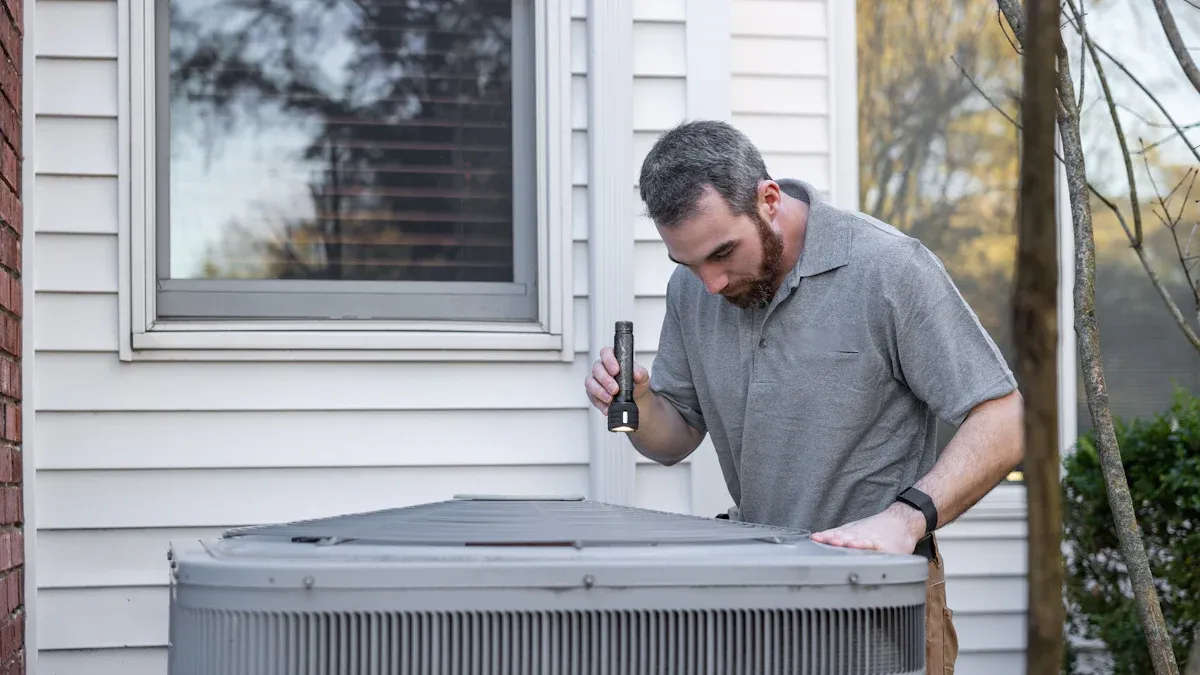
When you choose an hvac system, you should think about your property type and how much space you need to heat or cool. Your comfort matters, so look at how well the system keeps your space at the right temperature. Pay attention to energy efficiency and how the local climate affects your needs. You also need to plan for long-term maintenance. Comparing commercial and residential hvac systems helps you find the best fit for your situation.
Choosing the Right HVAC System
Key Factors for Selection
When you start choosing the right hvac system, you need to look at several important things. First, think about the size of your space. Large buildings need bigger systems. Small homes or apartments need smaller units. You should also check how much energy the system uses. Energy efficiency helps you save money on bills and keeps your space comfortable.
Tip: Always check the energy rating label before you buy. High ratings mean better energy efficiency.
Climate matters, too. If you live in a place with hot summers or cold winters, you need a system that can handle those temperatures. Comfort is another key factor. Some systems keep the temperature steady and remove humidity. Others may not do this as well. You want a system that makes your space feel just right.
Here is a quick checklist to help you:
Measure your space before you shop.
Look for systems with high energy efficiency.
Think about your local weather.
Decide how much comfort you want.
Plan for future maintenance.
Property Type and Usage
Your property type changes what kind of hvac you need. Commercial buildings, like offices or stores, often have large open areas. These spaces need powerful systems that can cool or heat many rooms at once. You may also need special features, like air filters or zoning controls, for different parts of the building.
Homes and apartments usually need smaller hvac systems. These systems focus on keeping a few rooms comfortable. You might want a quiet system for bedrooms or living rooms. Some homes use central air, while others use window units or split systems.
Note: If you own a mixed-use building, you may need both commercial and residential systems. Talk to an expert to find the best fit.
You should also think about how you use your space. If you have lots of people coming and going, like in a store, you need a system that can keep up with changing temperatures. If you work from home, you might want a system that runs quietly and uses less energy.
Choosing the right hvac system means looking at your property, your needs, and your budget. When you match the system to your space and usage, you get better comfort and lower costs.
Commercial and Residential HVAC Overview
Commercial HVAC Basics
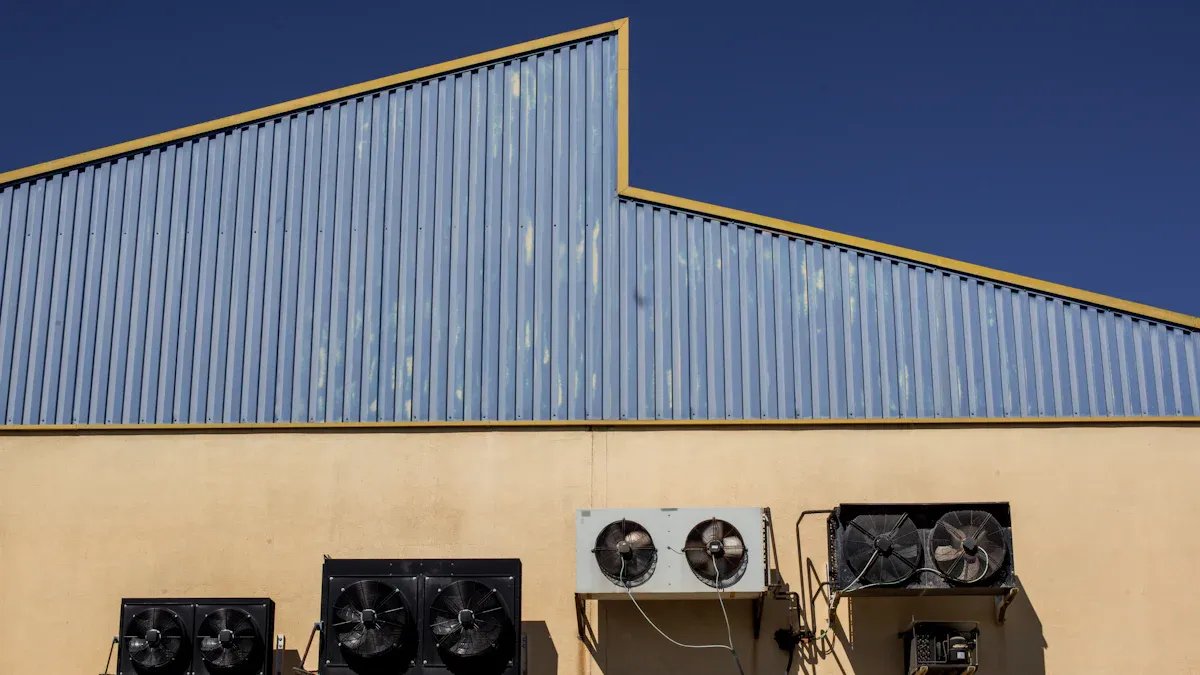
Commercial hvac systems are made for big places. They work in offices, schools, and hospitals. You need them for large buildings. These systems use strong machines to move air everywhere. You often see rooftop units and chillers. Large air handlers are common in these spaces.
Commercial hvac can handle lots of use. You can set different temperatures in each area. This helps everyone stay comfortable. Many systems have smart controls. You can program them to save energy and money. Some places need special filters to keep the air clean.
Note: Trained technicians should check commercial hvac often. This keeps the system working well and stops problems.
Here are some things you find in commercial hvac:
Big power for large areas
Zoning for many rooms
Strong air flow
Smart controls to save energy
Custom choices for special needs
Residential HVAC Basics
Residential hvac is best for homes and small apartments. These systems keep your home comfortable. Most homes use central air, furnaces, or heat pumps. They focus on a few rooms, not the whole building.
You want a quiet system for your house. Many people pick easy-to-use systems. They do not need much care. You can set the temperature with a simple thermostat. Some systems let you use your phone to control it.
Residential hvac uses less energy than commercial systems. Small spaces do not need much power. These systems are easier to put in and take care of.
Feature | Commercial HVAC | Residential HVAC |
|---|---|---|
Space Size | Large | Small |
Controls | Advanced | Simple |
Maintenance | Frequent | Occasional |
Customization | High | Low |
Commercial and residential hvac do different jobs. When you know the basics, you can pick the right system for your place.
Key Differences in HVAC Systems
When you look at commercial and residential hvac, you see some big differences. These differences help you pick the right system for your space. You should think about size, how complex the system is, and the skills needed to install and fix it.
Size and Capacity
Commercial hvac systems work in much bigger places than residential ones. You often find commercial units on rooftops or in special rooms. These systems move air through large buildings like offices or schools. They need to heat or cool many rooms at the same time. Sometimes, you need more than one big unit for the whole building.
Residential hvac is made for smaller spaces. You usually see these systems in houses or apartments. They focus on keeping a few rooms comfortable. The system size matches your home size. You do not need as much power as a big building.
Tip: Measure your space before you pick a system. If your system is too small or too big, it will not work well.
Complexity and Customization
Commercial hvac systems are more complicated than residential ones. Commercial systems use advanced technology. They may have zoning controls, smart thermostats, and special air filters. You can set different temperatures in different parts of the building. This helps everyone stay comfortable and saves energy.
Residential systems are easier to use. You usually change the temperature with a simple thermostat. Most homes do not need special zones or extra features. You want a system that is easy to use and take care of.
Here is a table that shows some main differences in complexity and customization:
Feature | Commercial HVAC | Residential HVAC |
|---|---|---|
Zoning | Many zones | Usually one zone |
Controls | Advanced, programmable | Basic, manual |
Customization | High | Low |
Air Filtration Options | Many | Standard |
Training and Expertise
You need special training to install and fix commercial hvac systems. Skilled technicians know how to work with big, complex systems. These experts understand advanced controls and custom setups. They also follow strict safety rules.
Residential hvac does not need as much training. Many technicians can put in and repair these systems. The work is simpler and safer. You still need a professional, but the job is not as hard.
Note: Regular maintenance helps both commercial and residential systems work well. Always hire trained professionals for installation and repairs.
When you know these key differences, you can match the right system to your property. Size, complexity, and skill level all matter when you choose. If you understand these things, you can pick the best hvac for your needs.
Installation and Maintenance

Installation Needs
When you pick hvac for your place, think about how it gets put in. Commercial hvac systems need a harder setup. You might have to put big units on the roof or in special rooms. These systems need strong support and special wires. You should always get trained experts to do this job.
Residential hvac is easier to install. Most systems go in within hours or a few days. Many homes use central air or split systems. These fit well in small spaces. You still need a professional to make sure it works safely.
Tip: Always look at local rules before you start. Some places have special rules for hvac systems.
Here is a quick comparison:
Feature | Commercial Installation | Residential Installation |
|---|---|---|
Time Needed | Longer | Shorter |
Complexity | High | Low |
Space Required | Large | Small |
Maintenance Demands
You need to keep your hvac working with regular care. Commercial systems need more checks. These systems work hard every day. You should get a professional to check them twice a year. This stops problems and keeps the air clean.
Residential hvac needs less care. You can change filters and look at the system yourself. Most homes need a technician to check it once a year. This keeps your system safe and working well.
Clean or change filters often.
Look for leaks or odd sounds.
Get regular visits from a professional.
Note: Good care helps your hvac last longer and saves money.
If you do these things, your hvac will work better and last longer. Good setup and regular care protect your money and keep your space comfy.
Cost and Efficiency
Initial Costs
When you look at hvac systems, you will see prices can change a lot. Commercial systems cost more than residential ones. They are bigger and need special help to install. Sometimes, workers use a crane to lift heavy units. You also pay extra for things like zoning and smart controls.
Residential hvac costs less when you first buy it. You can put these systems in quickly, sometimes in one or two days. The equipment is smaller and easier to move. You do not need many workers or special tools. This makes it faster and cheaper for homes.
Tip: Always ask for a full price before you pick a system. Make sure the price covers installation and any extra parts.
Here is a quick comparison:
System Type | Average Initial Cost | Installation Time |
|---|---|---|
Commercial HVAC | High | Longer |
Residential HVAC | Lower | Shorter |
Operating Efficiency
After your hvac system is set up, think about how much it costs to use. Energy efficiency affects your monthly bills. Commercial systems use more power because they work in big spaces. You can save money by picking systems with high energy ratings.
Residential systems use less energy since they heat or cool small areas. You save money if you choose a system with good energy efficiency. Taking care of your system helps both types work better and last longer.
Note: Get maintenance at least once a year to keep your system working well and avoid big repair bills.
If you want to save money, look for hvac systems that use less energy and need little care. This helps you stay comfortable and keep costs low.
Control Systems and Automation
Commercial HVAC Controls
Commercial hvac uses advanced controls for big spaces. These systems often use building management systems or direct digital controls. You can set a different temperature in each area. This saves energy and keeps people comfortable. Many commercial hvac systems let you schedule when the air turns on or off. You can also check air quality and humidity.
You might use a touchscreen or computer to control these systems. Some controls send alerts if there is a problem. This helps you fix things fast. You can even use your phone or tablet to check the system. This makes it easy to watch your building from anywhere.
Tip: Advanced controls help you save money and keep your building safe.
Here are some things you may find in commercial hvac controls:
Zoning for different rooms
Remote access
Energy tracking
Automatic alerts
Residential HVAC Automation
Residential hvac systems make your home comfy and simple to use. Many homes now have smart thermostats. You can set the temperature with your phone or voice. Some systems learn your routine and change the temperature for you. This saves energy without much effort.
You can program your hvac to turn off when you leave. It can turn on before you get home. Some systems watch the weather and change settings to keep you comfy. You do not need special training to use these controls. Most smart thermostats have easy menus and clear buttons.
Feature | Commercial Controls | Residential Automation |
|---|---|---|
Remote Access | Yes | Yes |
Scheduling | Advanced | Simple |
Energy Monitoring | Detailed | Basic |
User Interface | Complex | Easy |
Note: Smart automation in hvac systems helps you save money and keeps your home cozy all year.
Industry Standards and Certifications
Commercial HVAC Regulations
You must follow strict rules for commercial hvac systems. These rules help keep buildings safe and comfy. Local codes and national codes set standards for design and setup. You need to check your area’s building codes before starting work. The American Society of Heating, Refrigerating and Air-Conditioning Engineers (ASHRAE) gives many guidelines. These guidelines cover energy use, air quality, and safety.
Tip: Ask your contractor if they know the newest codes and certifications for commercial hvac systems.
Many commercial buildings need hvac systems that meet LEED standards. LEED certification means your building saves energy and helps the environment. You may also need to follow OSHA rules for worker safety during setup and care.
Here is a quick list of common commercial hvac rules:
ASHRAE standards
Local building codes
LEED certification
OSHA safety rules
Residential HVAC Standards
Residential hvac systems have different standards. You want your home to be safe and save energy. The Department of Energy (DOE) sets rules for how much energy these systems can use. The Environmental Protection Agency (EPA) has guidelines for clean air and safe refrigerants.
Look for Energy Star labels when you buy residential hvac systems. Energy Star means the system saves energy and lowers bills. Many states have their own rules for home hvac systems. Check these rules before you install anything.
Standard/Certification | What It Means |
|---|---|
Energy Star | Saves energy |
DOE rules | Limits energy use |
EPA guidelines | Protects air quality |
Note: Certified hvac systems work better and last longer. You get more comfort and save money.
If you follow these standards, your home stays safe and comfy. You also help protect the environment.
Suitability for Different Properties
Small Businesses
If you own a small business, think about what you need every day. Small offices, shops, or cafes often use commercial hvac systems. These systems are smaller than ones for big buildings. They help you control the temperature in work and customer areas. You want a system that keeps everyone comfortable all day. Many small businesses pick commercial systems because they last longer. They can handle more use than home units. Some systems fit tight spaces or older buildings.
Tip: Ask your hvac contractor about ways to save energy. This can help lower your bills and make your business more comfortable.
Homes and Apartments
Homes and apartments need quiet and simple systems. Residential hvac works best in these places. These systems keep your home cool in summer and warm in winter. You can choose central air, heat pumps, or split systems. They use less energy and cost less to put in than commercial units. You can control them with a thermostat or your phone.
A quick comparison:
Property Type | Best System Type | Key Benefit |
|---|---|---|
Home/Apartment | Residential hvac | Easy to use |
Small Business | Commercial hvac | Handles more use |
Mixed-Use Buildings
Mixed-use buildings have homes and businesses together. You might see apartments above a store or office. These places need both commercial and residential hvac systems. Use commercial systems for business areas. Use residential systems for living spaces. This way, each part of the building gets the right comfort and efficiency.
Note: Talk to an hvac expert to plan the best setup for mixed-use buildings. The right mix of systems keeps everyone comfortable and saves energy.
Picking between commercial and residential hvac depends on your property type. You get the best results when you match the right system to your needs.
You have learned how commercial and residential HVAC systems are different. Commercial systems work in bigger places and do harder jobs. Residential units help keep small spaces comfortable. Air conditioning and heating and cooling are important when you decide. You should think about where to put your system before you buy. Choose a system that uses less energy to save money. It is smart to ask an HVAC professional for help so you get the right system for your needs.