

Condensing units are the heart of modern HVAC systems, driving both efficiency and performance. I’ve seen how advancements in condensing unit technology have revolutionized energy use in residential, commercial, and industrial spaces. For example, replacing outdated systems with energy-efficient models helped an industrial facility in Texas cut energy consumption by 30%. This demonstrates the immense potential of these units in reducing energy waste and achieving optimal comfort.
Sustainability has also taken center stage in HVAC innovation. With the condensing unit market projected to grow from 18.63 billion USD in 2025 to 29.00 billion USD by 2034, it’s clear that demand for eco-friendly and efficient systems will only rise. These advancements not only improve energy efficiency but also align with global sustainability goals, making modern HVAC systems a cornerstone of environmental responsibility.
Key Takeaways
Condensing units are key parts of HVAC systems. They save energy and make spaces more comfortable.
Variable speed compressors change how they work based on need. This saves energy and helps the system last longer.
Higher SEER ratings mean better energy savings. Upgrades can cut energy use by up to 30%.
Heat recovery systems reuse wasted heat. This makes HVAC systems more energy-efficient at home and work.
Eco-friendly refrigerants like R-454B are better for the planet. They have a lower impact on global warming.
IoT technology lets people check and control HVAC systems anytime. This boosts efficiency and makes them easier to use.
Governments offer tax credits and rebates to promote energy-saving HVAC systems.
Using recyclable materials in HVAC manufacturing helps protect the environment.
Advancements in Energy Efficiency
Variable Speed Compressors
Benefits for energy-efficient systems.
I’ve noticed that variable speed compressors have become a game-changer in HVAC technology. These compressors adjust their speed based on the cooling or heating demand, unlike traditional single-speed models that operate at full capacity all the time. This flexibility allows the system to use only the energy it needs, which significantly improves energy efficiency. By optimizing energy use, variable speed compressors help create energy-efficient systems that reduce operational costs and environmental impact.
Impact on energy consumption and system performance.
The impact of variable speed compressors on energy consumption is remarkable. They minimize energy waste by maintaining consistent indoor temperatures without frequent on-off cycles. This not only enhances the system’s performance but also extends its lifespan. I’ve seen how these compressors contribute to energy optimization in both residential and commercial HVAC applications, making them a preferred choice for modern systems.
Higher SEER Ratings
Explanation of SEER and its role in efficiency.
Seasonal Energy Efficiency Ratio (SEER) measures the cooling output of an HVAC system divided by the energy it consumes over a typical cooling season. A higher SEER rating indicates better energy efficiency. For instance, upgrading to high-SEER air conditioners can reduce energy consumption by up to 30%. This makes them an essential component of energy-efficient systems, especially in regions with hot climates.
Example: R454B 14.3 SEER2 Condensing Unit.
The R454B 14.3 SEER2 Condensing Unit exemplifies the benefits of higher SEER ratings. This unit combines innovation with efficiency, offering exceptional performance for residential and commercial HVAC systems. Its high-efficiency scroll compressor ensures stable operation while reducing energy consumption. Additionally, its use of the eco-friendly R454B refrigerant aligns with modern environmental standards. With features like a DC fan motor and intelligent defrosting, this unit sets a benchmark for energy-efficient systems.
Evidence | Description |
|---|---|
Home Renovation Upgrades | Approximately 40% of homeowners include HVAC system enhancements during major renovations, indicating a trend towards higher SEER ratings. |
Energy Savings | Upgrading to high-SEER air conditioners can reduce energy consumption by up to 30%, highlighting the efficiency benefits driving adoption. |
Heat Recovery Systems
Reducing energy waste in HVAC systems.
Heat recovery systems are another innovation that has transformed HVAC technology. These systems capture waste heat from one part of the system and reuse it elsewhere, reducing energy waste. For example, a study on Heat Pipe Heat Exchangers (HPHE) showed that these systems could recover up to 21% of energy when the fresh air intake temperature exceeded the exhaust air temperature. This demonstrates their potential for energy optimization in HVAC applications.
Applications in residential and commercial settings.
I’ve seen heat recovery systems being used effectively in both residential and commercial HVAC setups. In homes, they improve energy efficiency by recycling heat for water heating or space heating. In commercial HVAC systems, they enhance performance by reducing the energy required for heating or cooling large spaces. These systems not only save energy but also contribute to sustainability, making them a valuable addition to modern HVAC technology.
Eco-Friendly Refrigerants and Sustainability
Transition to Low-GWP Refrigerants
Importance of refrigerants like R-454B.
I’ve observed a significant shift in the HVAC industry toward environmentally friendly refrigerants. Among these, R-454B stands out as a leading choice. Its low Global Warming Potential (GWP) makes it a preferred option for eco-conscious solutions. Unlike older refrigerants, R-454B reduces the environmental impact while maintaining high efficiency. This transition is essential for achieving net-zero buildings, which aim to minimize carbon emissions and energy waste.
Environmental benefits and compliance with regulations.
Switching to low-GWP refrigerants like R-454B offers measurable environmental benefits. For instance, R-454B achieves a 78% reduction in GWP compared to R-410A, while Chemours refrigerants can reduce GWP by up to 96%. These advancements align with global efforts to combat climate change. The HVAC market reflects this trend, with its size projected to grow from $30.15 billion in 2025 to $117.45 billion by 2037, driven by sustainable solutions. This growth highlights the increasing demand for refrigerants that comply with environmental regulations and support sustainability goals.
Refrigerant | GWP Reduction | Efficiency Improvement |
|---|---|---|
R-454B | 78% | 2.3% over R-410A |
Chemours | Up to 96% | N/A |
Sustainable Manufacturing Practices
Use of recyclable materials in condensing units.
Sustainability extends beyond refrigerants to the materials used in manufacturing condensing units. I’ve noticed that many manufacturers now prioritize recyclable materials like aluminum and copper. These materials not only enhance the durability of HVAC systems but also reduce waste. By incorporating recyclable components, manufacturers contribute to a circular economy, where resources are reused rather than discarded.
Reduction of carbon footprint in production processes.
Manufacturers are also adopting cleaner production methods to lower their carbon footprint. For example, energy-efficient manufacturing facilities and renewable energy sources are becoming standard practices. These efforts align with the growing demand for net-zero buildings, which require HVAC systems that are both efficient and environmentally responsible. By focusing on sustainable solutions, manufacturers can meet consumer expectations while reducing their environmental impact.
Compliance with Environmental Regulations
Overview of global refrigerant regulations.
Environmental regulations play a crucial role in shaping the HVAC industry. I’ve seen how policies like the Kigali Amendment and the European F-Gas Regulation push manufacturers to phase out high-GWP refrigerants. These regulations aim to reduce greenhouse gas emissions and promote the use of environmentally friendly refrigerants. Compliance ensures that HVAC systems contribute to cleaner air indoors and a healthier planet.
Impact on HVAC manufacturers and users.
Compliance with these regulations benefits both manufacturers and users. For manufacturers, it drives innovation and opens new market opportunities. For users, it ensures access to energy-efficient systems that reduce operating costs. For example:
Systems designed to meet regulations often have extended lifespans and improved performance.
Energy-efficient technologies lower energy consumption, leading to long-term cost savings.
By adhering to these standards, the HVAC industry supports sustainability while delivering reliable and efficient systems.
Smart and Connected Technologies
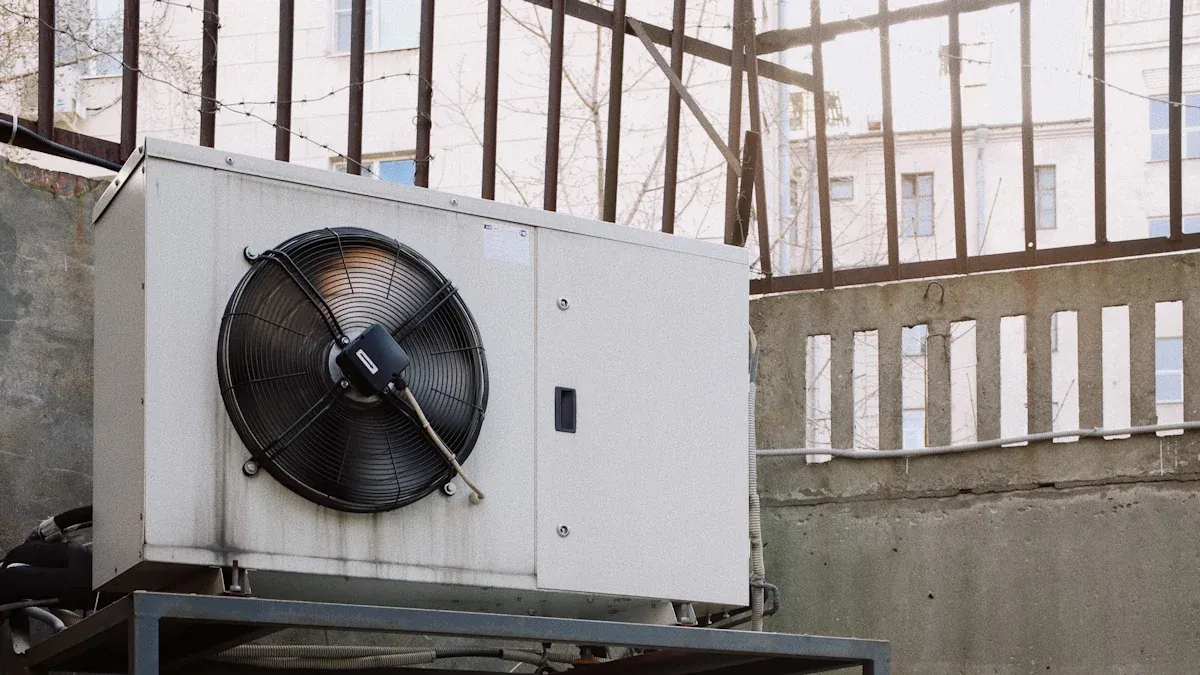
IoT Integration in Condensing Units
Real-time monitoring and control for efficiency.
I’ve seen how IoT integration has transformed HVAC systems into cutting-edge technology. By embedding IoT sensors into condensing units, these systems can now monitor real-time data, enabling dynamic adjustments to airflow and temperature. This ensures optimal energy use and enhances indoor comfort. For example, smart thermostats and automated vents can direct airflow only where needed, reducing unnecessary energy consumption. These innovations not only improve efficiency but also contribute to better indoor air quality innovations.
Tip: IoT-enabled systems allow homeowners to control their HVAC systems remotely, making smart home integration seamless and efficient.
Examples of IoT-enabled HVAC systems.
IoT integration has paved the way for smart HVAC systems that deliver exceptional performance. For instance, automated zoning systems use IoT sensors to regulate airflow in specific areas, ensuring energy is not wasted in unoccupied spaces. Additionally, predictive maintenance through IoT sensors allows for early detection of issues, minimizing downtime and extending the lifespan of the equipment. These advancements highlight how IoT is driving HVAC innovations and reshaping the industry.
Improvement Description | Reported Energy Efficiency Gain |
|---|---|
Finer and automated control of lighting, HVAC, and electronic equipment | |
Replacement of lighting with LED technology | 15% reduction in total energy consumption |
Automated pattern recognition for electric equipment usage | 1% increase in energy efficiency |
Predictive Maintenance with AI
Preventing system failures with AI.
Artificial intelligence has revolutionized how we maintain HVAC systems. Predictive maintenance uses AI to analyze data from sensors, identifying potential issues before they escalate into system failures. I’ve observed how this approach reduces downtime and ensures uninterrupted operation. For example, a shopping center in Montreal implemented AI-driven predictive maintenance and achieved a 21% reduction in electricity usage. This included significant reductions in runtime for HVAC components, such as a 33.5% decrease in supply fan runtime and a 62% reduction in heating stage runtime.
Cost savings and improved user experience.
The cost savings from predictive maintenance are undeniable. By addressing issues proactively, users avoid expensive repairs and extend the lifespan of their systems. Additionally, AI-driven maintenance enhances the user experience by ensuring consistent performance and reliability. For instance, Santagostino’s AI solution for medical centers optimizes maintenance schedules by analyzing machine parameters every 30 seconds. This not only minimizes downtime but also improves energy efficiency, making it a valuable tool for both residential and commercial applications.
Predictive maintenance foresees equipment failures, allowing timely interventions.
Benefits include improved equipment performance, energy optimization, and enhanced safety.
Remote Diagnostics and Troubleshooting
Reducing downtime with remote access.
Remote diagnostics have become a game-changer in HVAC technology. I’ve seen how technicians can now access system data remotely, identifying and resolving issues without needing an on-site visit. This reduces downtime and ensures faster problem resolution. For example, IoT-enabled condensing units can send alerts about performance anomalies, allowing technicians to address them promptly. This approach not only saves time but also enhances the reliability of HVAC systems.
Applications in residential and commercial HVAC systems.
Remote diagnostics are equally effective in residential and commercial settings. In homes, they provide peace of mind by ensuring systems operate efficiently. In commercial spaces, they minimize disruptions by enabling quick troubleshooting. These advancements align with the growing demand for smart home integration and sustainable HVAC solutions. By leveraging remote access, users can enjoy improved system performance and reduced operational costs.
Note: Remote diagnostics also support sustainability by reducing the need for travel, thereby lowering the carbon footprint associated with maintenance visits.
Enhanced Performance and Noise Reduction
Quieter Operations
Innovations in sound-dampening technology.
Modern condensing units have made significant strides in reducing noise levels. I’ve noticed how manufacturers now use advanced sound-dampening materials and designs to minimize operational noise. For example, insulated compressor compartments and vibration-absorbing mounts are common features in newer models. These innovations ensure quieter operation without compromising performance. Additionally, DC fan motors, like those in the R454B unit, operate more smoothly and quietly compared to traditional AC motors.
Noise reduction is not just about comfort; it also enhances the overall efficiency of HVAC systems. By reducing vibrations and noise, these units experience less wear and tear, which extends their lifespan. This focus on quieter operations reflects the industry’s commitment to improving both user experience and system reliability.
Benefits for residential and commercial environments.
Quieter condensing units are a game-changer for both homes and businesses. In residential settings, they create a more peaceful indoor environment, allowing families to enjoy their living spaces without the constant hum of machinery. In commercial spaces, reduced noise levels improve workplace productivity and customer satisfaction. For instance, quieter HVAC systems in offices or retail stores contribute to a more comfortable and inviting atmosphere.
Metric | Description |
|---|---|
Quieter Operation | Modern units are designed for lower noise levels, enhancing indoor tranquility. |
SEER Ratings | Contemporary models have SEER ratings of 14 or more, indicating up to 30% less energy usage. |
Enhanced Indoor Air Quality | Advanced filtration systems improve air quality by capturing airborne contaminants. |
Improved Heat Exchange Efficiency
Advances in coil design and materials.
Heat exchange efficiency has seen remarkable improvements thanks to advancements in coil design and materials. I’ve observed how manufacturers now use inner groove copper tubes and hydrophilic aluminum foils to enhance heat transfer. These materials increase the surface area for heat exchange, allowing the system to operate more efficiently. Additionally, modern coil designs reduce the risk of corrosion, ensuring long-term reliability.
These innovations not only boost performance but also reduce energy consumption. By optimizing heat exchange, HVAC systems can achieve desired temperatures faster, which minimizes energy waste. This is especially important in regions with extreme climates, where efficient cooling or heating is essential.
Example: High-efficiency condenser in R454B unit.
The R454B 14.3 SEER2 Condensing Unit exemplifies these advancements. Its high-efficiency condenser, made from inner groove copper tubes and hydrophilic aluminum foil, maximizes heat exchange efficiency. This design ensures stable operation and quick response times, even under heavy loads. By incorporating these features, the R454B unit delivers exceptional performance while maintaining energy efficiency.
Compact and Modular Designs
Space-saving benefits for urban installations.
Urban areas often face space constraints, making compact condensing units a necessity. I’ve seen how modern designs prioritize smaller footprints without sacrificing performance. For example, advanced chiller technology has reduced the overall size and weight of units by up to 30%. This makes them ideal for installations in tight spaces, such as apartment buildings or small commercial properties.
Smaller units also allow for better system redundancy. In limited spaces, multiple compact units can be installed to ensure consistent performance. This approach not only saves space but also enhances the reliability of HVAC systems.
Flexibility in system upgrades and maintenance.
Modular designs offer unparalleled flexibility for upgrades and maintenance. I’ve noticed how dual-centrifugal chiller designs, for instance, provide a capacity range of 1,500 to 6,000 tons in a compact configuration. This frees up mechanical room space and simplifies system upgrades. Additionally, modular units make maintenance more straightforward. Technicians can service individual components without disrupting the entire system, reducing downtime and costs.
Advanced chiller technology has led to a reduction in overall package size and weight by as much as 30%.
Smaller-footprint water-cooled chillers save valuable floor space, enhancing system redundancy in limited spaces.
Dual-centrifugal chiller designs achieve a capacity range of 1,500 to 6,000 tons with a compact configuration, freeing up mechanical room space.
These compact and modular designs reflect the industry’s focus on creating efficient, space-saving solutions for modern HVAC systems.
Regulatory and Market Trends
Government Incentives for Energy-Efficient Systems
Tax credits and rebates for advanced HVAC systems.
Government incentives play a pivotal role in encouraging the adoption of energy-efficient HVAC systems. I’ve noticed that financial benefits like tax credits, grants, and rebates make it easier for homeowners and businesses to upgrade their systems. These incentives reduce the upfront costs of installing advanced HVAC systems, making energy-efficient solutions more accessible. For example, many states in the U.S. offer rebates for upgrading to systems that meet energy efficiency standards. This not only helps consumers save money but also promotes the use of sustainable technologies.
Impact on adoption rates of energy-efficient systems.
The influence of these incentives on adoption rates is undeniable. I’ve observed how stringent policies aimed at reducing greenhouse gas emissions have driven the demand for energy-saving technologies. Financial incentives encourage both manufacturers and consumers to prioritize energy efficiency. As a result, the market for energy-efficient HVAC systems continues to grow. This trend aligns with the global push for sustainability, making energy-efficient HVAC systems a key component of modern infrastructure.
Government regulations and incentives are significantly driving the growth of the energy-efficient HVAC systems market.
Stringent policies aimed at reducing greenhouse gas emissions are encouraging the adoption of energy-saving technologies.
Financial incentives such as tax rebates, grants, and subsidies are being offered to promote energy-efficient HVAC systems.
Evolving policy frameworks are expected to increase demand for energy-efficient HVAC systems across various end-user segments.
Compliance with Evolving Standards
Key standards like ASHRAE and ENERGY STAR.
Compliance with standards like ASHRAE and ENERGY STAR has become essential for HVAC systems. I’ve seen how these standards enhance energy efficiency and ensure regulatory compliance. For instance, ASHRAE 90.1 focuses on reducing energy consumption and carbon emissions while improving occupant comfort. ENERGY STAR-certified systems, on the other hand, guarantee high performance and lower energy costs. These standards not only benefit users but also increase property value and operational efficiency.
Compliance with ASHRAE 90.1 enhances energy efficiency, reduces energy consumption, and ensures regulatory compliance.
ASHRAE 241 provides a framework for ventilation and air cleaning, minimizing exposure to airborne pathogens.
ENERGY STAR-certified systems improve occupant comfort and reduce maintenance costs.
Challenges and opportunities for manufacturers.
Meeting these evolving standards presents both challenges and opportunities for manufacturers. I’ve noticed that compliance requires significant investment in research and development. However, it also opens up new market opportunities. Manufacturers that prioritize compliance can differentiate themselves by offering high-quality, energy-efficient systems. This not only boosts their market share but also aligns with the growing demand for sustainable solutions.
Growing Demand for Sustainable HVAC Solutions
Market trends driven by consumer preferences.
Consumer preferences are shifting toward sustainable HVAC solutions. I’ve observed a growing awareness of climate change, which has led to increased demand for energy-efficient and environmentally friendly systems. Smart HVAC systems, which integrate with smart home technologies, are particularly popular. These systems offer energy-saving features and enhance user convenience, making them a preferred choice for modern homes and businesses.
There is a notable increase in consumer preference for energy-efficient and environmentally friendly HVAC solutions.
The demand for smart HVAC systems is rising due to their integration with smart home technologies.
Government policies and incentives are promoting the adoption of energy-efficient HVAC systems, further stimulating market growth.
Role of sustainability in competitive differentiation.
Sustainability has become a key factor in competitive differentiation. I’ve seen how manufacturers that focus on eco-friendly designs and materials gain a competitive edge. By offering sustainable HVAC systems, they not only meet consumer expectations but also contribute to global sustainability goals. This focus on sustainability helps manufacturers build trust and loyalty among environmentally conscious consumers.
I’ve seen how condensing unit technology has evolved to prioritize energy efficiency, sustainability, and smart features. Innovations like variable speed compressors, eco-friendly refrigerants, and IoT integration are reshaping HVAC systems. These advancements reduce energy waste, improve performance, and align with global environmental goals.
Looking ahead: HVAC systems will play a critical role in addressing climate challenges. By adopting smarter, greener technologies, we can create comfortable spaces while protecting the planet. 🌍
The future of HVAC lies in innovation, and I’m excited to see how these systems continue to transform our world.
FAQ
What is a condensing unit in an HVAC system?
A condensing unit is the outdoor component of an HVAC system. It houses the compressor, condenser coil, and fan. These parts work together to release heat from the refrigerant, enabling the system to cool or heat indoor spaces efficiently.
How does a variable speed compressor improve energy efficiency?
Variable speed compressors adjust their speed based on the system’s cooling or heating needs. This reduces energy waste by avoiding constant on-off cycles. It also maintains consistent indoor temperatures, which enhances comfort and lowers operational costs.
Why is R-454B refrigerant considered eco-friendly?
R-454B refrigerant has a low Global Warming Potential (GWP), reducing its environmental impact. It complies with modern environmental regulations and offers high energy efficiency. This makes it a sustainable choice for HVAC systems aiming to minimize carbon emissions.
What are the benefits of IoT integration in HVAC systems?
IoT integration allows real-time monitoring and control of HVAC systems. Users can adjust settings remotely, optimize energy use, and receive alerts for maintenance needs. This improves system performance, reduces energy consumption, and enhances convenience.
How do heat recovery systems save energy?
Heat recovery systems capture waste heat from one part of the HVAC system and reuse it elsewhere. For example, they can use exhaust heat to warm incoming air. This reduces energy waste and improves overall system efficiency.
Are compact condensing units suitable for urban areas?
Yes, compact condensing units are ideal for urban areas with limited space. Their smaller size allows for easy installation in tight spaces like apartments or small commercial buildings. Despite their size, they maintain high performance and efficiency.
What is the significance of SEER ratings in HVAC systems?
SEER (Seasonal Energy Efficiency Ratio) measures an HVAC system’s cooling efficiency. Higher SEER ratings indicate better energy efficiency. For example, a 14.3 SEER2 unit like the R454B reduces energy consumption, making it cost-effective and environmentally friendly.
How does predictive maintenance benefit HVAC systems?
Predictive maintenance uses AI to detect potential issues before they cause system failures. This reduces downtime, extends equipment lifespan, and lowers repair costs. It ensures consistent performance and reliability for both residential and commercial HVAC systems.
Tip: Regular maintenance, combined with predictive tools, keeps HVAC systems running efficiently year-round.