

When it comes to hotel rooms, HVAC systems are very important. Think about entering a room that’s too hot or too cold—it ruins the mood, right? A good hotel HVAC system keeps the temperature just right. This makes guests feel comfortable and happy. Advanced systems also save energy by changing settings in empty rooms. Using sensors or linking HVAC to booking systems helps hotels save money. They do this without making guests uncomfortable. The best systems balance comfort, energy savings, and costs. It’s a win-win for everyone!
Key Takeaways
A good HVAC system keeps hotel rooms cozy. It changes temperatures to please guests and saves energy when rooms are empty.
Different HVAC systems work for different hotel sizes. Small hotels use split systems, while big hotels need central systems to work better.
Regular care is important for HVAC systems. It stops problems, saves energy, and keeps guests comfy in their rooms.
Smart controls in HVAC systems let guests change room settings easily. This makes rooms more comfortable and helps hotels save energy.
Fresh air systems like DOAS make indoor air cleaner. They bring fresh air and control moisture, making stays healthier for guests.
Hotel HVAC Choices for Guestrooms
Picking the right HVAC system for hotel rooms is important. There are many choices, and each has its own benefits. The best option depends on the hotel’s size, room layout, and guest comfort needs. Let’s explore some popular HVAC systems.
Packaged Terminal Air Conditioners (PTAC)
PTACs are common in hotel rooms. You’ve likely seen them under windows. These small systems handle both heating and cooling. PTACs are popular because they’re simple to install and maintain. Guests can adjust the temperature themselves, making their stay more comfortable.
PTACs are also energy-efficient. They work well while using less power. Here’s a quick look at PTAC efficiency:
Equipment Type | Size Category (Input) | Efficiency |
|---|---|---|
PTAC (Cooling mode) | All Capacities | |
PTHP (Cooling mode) | All Capacities | 14.0 – (0.300 × Cap/1000) EER |
PTHP (Heating Mode) | All Capacities | 3.7 – (0.052 × Cap/1000) COP |
These numbers show how PTACs save energy while working well. If you want a low-cost, easy-to-use system, PTACs are a great pick.
Vertical Terminal Air Conditioners (VTAC)
VTACs are like PTACs but look sleeker. Instead of being under a window, they’re hidden in closets or walls. This gives rooms a cleaner, modern style. VTACs also heat and cool rooms and are controlled by wall thermostats.
VTACs are very flexible. They’re great for hotels with tricky layouts or small spaces. They’re also quieter than PTACs, so guests enjoy a peaceful stay. If reducing noise is key, VTACs are a smart choice.
Variable Refrigerant Flow (VRF) Systems
VRF systems are advanced HVAC options. They connect indoor units to one outdoor unit. This setup lets guests control their room’s temperature without affecting others. It’s perfect for comfort.
VRF systems are highly efficient. They adjust refrigerant flow based on each room’s needs. This saves energy and lowers costs over time. While VRF systems cost more upfront, they’re worth it for hotels wanting top performance.
Tip: For luxury hotels or places with different room sizes, VRF systems offer great flexibility and efficiency.
Split Systems for Smaller Hotels
Split systems work well for small hotels. They have two parts: an indoor unit and an outdoor unit. The indoor unit cools or heats, while the outdoor unit handles the compressor. This setup is perfect for hotels with fewer rooms or tight spaces.
These systems are great for boutique hotels and inns. They are small and simple to install. They are also quiet, so guests can relax without noise. The best thing? Guests can control their room’s temperature for extra comfort.
Another benefit is energy efficiency. Split systems use inverter technology to save power based on need. This lowers energy bills while keeping rooms comfortable. For small hotels, split systems are a smart and affordable choice.
Centralized HVAC Systems for Larger Hotels
Big hotels often use centralized HVAC systems. These systems heat, cool, and ventilate from one main location to many rooms. They are perfect for hotels with lots of rooms or large layouts.
Centralized systems are very efficient for big properties. They use advanced tools to control airflow and temperature everywhere. This keeps guests comfortable no matter where their room is.
Another plus is scalability. These systems handle high demand without losing performance. Maintenance is easier too since everything is in one place. For large hotels, centralized HVAC systems are a great option for guest comfort.
Dedicated Outside Air Systems (DOAS) for Better Air Quality
DOAS systems improve air quality in hotel rooms. They bring in fresh air and control humidity and temperature.
Experts say DOAS systems are very helpful. Terry Smith from Marriott says they stop humidity and temperature problems that cause bacteria. Roger Hedrick says more ventilation cuts indoor pollution, making air healthier. Lew Harriman adds that good ventilation stops mold and fungus.
DOAS systems are great for hotels in humid places or areas with bad air. They give guests clean, fresh air during their stay. They also work with other HVAC systems to keep rooms comfy and efficient. If clean air matters, DOAS is the best choice.
Key Things to Think About for Hotel HVAC Systems
Saving Energy and Cutting Costs
Hotel HVAC systems should save energy and money. Modern systems, like VRF and split systems, use smart technology. They adjust energy use when rooms are empty.
Efficient systems lower energy bills and help the environment. They also reduce the hotel’s carbon footprint. Many air conditioners now have energy ratings to guide your choice.
If you own a hotel, pick an efficient HVAC system. It saves money and helps the planet over time.
Quiet Systems for Guest Comfort
Noise can ruin a guest’s stay. Studies show loud sounds disturb sleep and cause stress. Over 60% of hotel guests report bad sleep due to noise.
Quiet spaces help people relax and think better. Research shows silence can even improve memory and creativity. For hotels, quiet rooms mean happy, rested guests.
Noise can come from many places, like hallways or traffic. That’s why quiet HVAC systems, like VTACs and split systems, are great. They keep rooms peaceful and guests smiling.
Flexible Systems for Different Hotel Sizes
Hotels come in all sizes, so HVAC needs differ. Small hotels can use split systems. These are easy to install and let guests control room temperatures.
Big hotels need centralized systems. These handle lots of rooms and can grow with the hotel. They’re perfect for expanding properties.
Think ahead when picking an HVAC system. A flexible setup keeps your hotel comfy and ready for growth.
Indoor Air Quality and Fresh Air Integration
Good air quality is key to happy guests. No one likes staying in a room with bad air. Fresh air systems make hotel rooms healthier and more pleasant. Systems like Dedicated Outside Air Systems (DOAS) bring in clean air. They also control humidity and temperature to keep rooms comfy.
Fresh air systems are becoming more popular. Here’s why:
Fresh air system sales may grow 7.5% yearly from 2024 to 2032.
In 2023, the market was worth $10.5 billion and could hit $19.3 billion by 2032.
More cities, air quality awareness, and stricter rules drive this growth.
Hotels in polluted or humid areas gain the most from these systems. They stop mold, bacteria, and other harmful things from spreading. These systems also work well with other air conditioners. If you want the best for your hotel, choose systems that clean the air. Guests will appreciate it!
Compliance with Brand Standards and Regulations
Hotels must follow rules and brand standards for HVAC systems. This ensures safety, quality, and guest comfort. Hotels can do this by using standard procedures. These include regular maintenance and following safety rules. This keeps systems working well and guests happy.
For example, OSHA’s General Duty Clause protects workers and helps hotel operations. Regular checkups stop sudden breakdowns, keeping systems running smoothly. This is vital for big hotels with centralized systems, where issues can affect many rooms.
By following these steps, hotels meet industry rules and keep guests comfortable. It’s a win-win—happy guests and longer-lasting systems.
Optimizing HVAC Design for Hotels
Smart Controls and Automation for Better Comfort
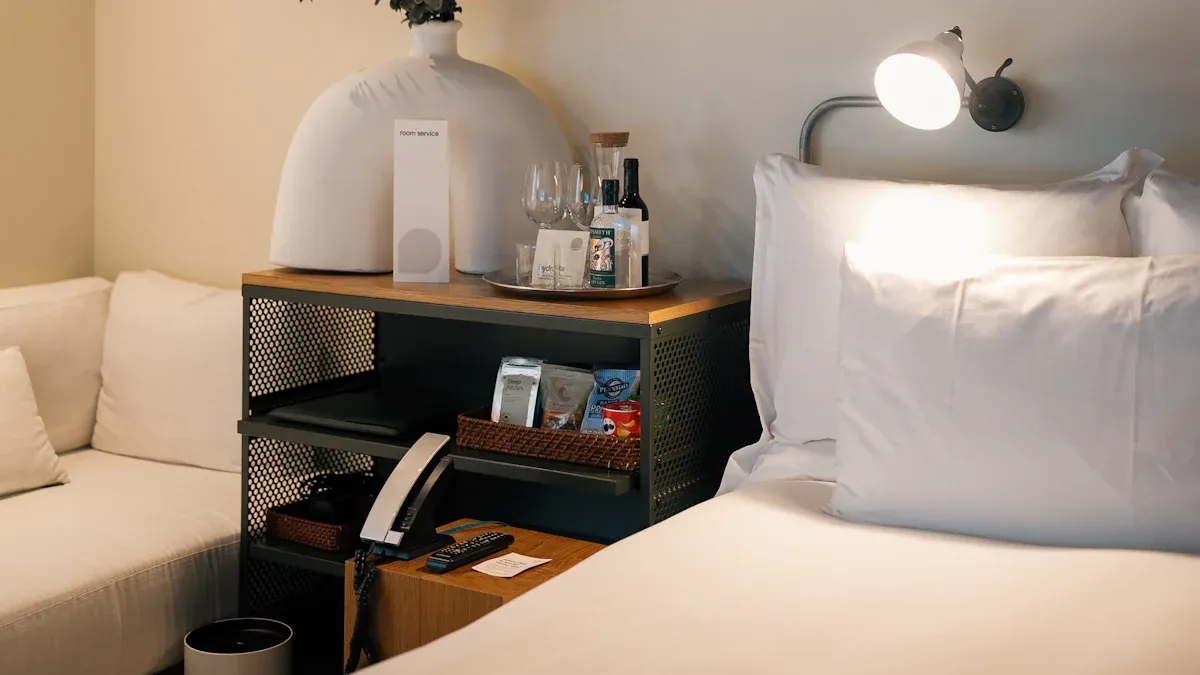
Let’s talk about smart controls. These systems are amazing for hotels. Imagine entering your room, and it’s already the perfect temperature. That’s the power of automation! Guests can easily change lighting, temperature, or even TV settings. It’s all about making their stay super comfortable.
Smart controls also save energy for hotels. They adjust settings when no one is in the room. This reduces wasted energy. Plus, they collect useful data. For example, they track if guests like their rooms warmer or cooler. This helps hotels make stays even more personal.
Here’s why smart controls are great:
Guests feel at home when they can adjust their space.
Automation lowers labor costs by doing simple tasks.
IoT systems save energy, helping the planet and saving money.
Some hotels are already using these ideas. The Ritz-Carlton in Tokyo uses VRF systems for quiet and efficient cooling. The Four Seasons in New York added soundproof HVAC systems with special panels. These upgrades show how smart design improves comfort and saves energy.
HVAC Solutions for Tall Hotels
High-end hotels will have more detailed requirements. They need HVAC systems that work well on many floors. Advanced tools help with this. For example, heat recovery units save energy while cooling. They also keep air clean, which guests love.
Every tall hotel is unique. Engineers study the building’s design, weather, and guest needs. Then, they create a custom HVAC plan. This makes sure the system works well, no matter how tall the hotel is.
Here are key tips for tall hotels:
Always focus on saving energy.
Keep air quality high to make guests happy and healthy.
Use advanced tools like heat recovery units to save energy.
By following these tips, tall hotels can keep guests comfy and control costs.
Balancing Costs with Savings Over Time
Buying a new HVAC system can seem expensive. But the savings over time make it worth it. Modern systems use less energy, so utility bills go down. They also need fewer repairs, saving money on maintenance.
Here’s a quick look at what to think about:
Metric Type | What It Means |
|---|---|
Departmental Costs | Check for waste in labor or energy spending. |
Revenue Streams | Compare extra income, like parking fees, to other hotels. |
Profit Margins | Use numbers like GOPPAR to match top hotels. |
HVAC Systems | Replace old systems to save energy and improve performance. |
Think of it like this: a good HVAC system is an investment. It keeps guests happy, cuts energy use, and saves money. Over time, the savings will be bigger than the upfront cost. So, pick a system that offers long-term value, not just a low price.
Using Expert Help for Custom HVAC Solutions
Hotels need different HVAC systems because every hotel is unique. Each has its own design, guest needs, and challenges. That’s why it’s smart to work with HVAC experts. They can create systems that fit your hotel perfectly.
Experts know a lot about HVAC systems. They don’t just install them—they study your hotel’s needs first. For example, The Hotel Wilshire used expert advice to pick a Mitsubishi Electric VRF system. This system saved 17% on energy and cut costs by 19%. Pretty amazing, right?
Here’s why expert help is so useful:
Custom Solutions: Experts check your hotel’s size and layout. They suggest systems that match your space, whether it’s small or tall.
Energy Savings: Professionals use tools to predict energy savings. At The Hotel Wilshire, this helped them save a lot of energy.
Space Use: In cities, rooftop space is small. VRF systems use compact outdoor units, saving space.
Guest Comfort: Guests can control room temperatures, making their stay better. This also helped The Hotel Wilshire get LEED certified.
Quiet Systems: Loud HVAC systems are annoying. VRF systems are quiet, keeping rooms peaceful.
Pro Tip: Building a new hotel or upgrading? Work with experts who know the latest tech. They’ll make a system just for your hotel.
Experts don’t just finish the job—they do it right. They balance energy savings, comfort, and costs. They also know the newest rules, so you don’t have to worry.
Want happy guests? Call the pros. They’ll design an HVAC system that fits your hotel and keeps everyone comfortable. Happy guests mean a successful hotel. 😊
The Role of Professional Maintenance in Hotel HVAC Systems
Why Regular Maintenance Matters for Long-Lasting Systems
Taking care of HVAC systems is like caring for a car. If you skip oil changes, the car breaks down faster. HVAC systems need regular checkups to work well and last longer. Maintenance keeps them running smoothly and saves energy. This lowers bills and avoids sudden breakdowns. Guests enjoy quiet, comfy rooms when systems are cared for. Fixing problems early stops bigger issues later. Happy guests make the effort worth it!
How to Prevent Problems with Maintenance
Preventative maintenance is like a health check for HVAC systems. It stops problems before they start. Here are some easy tips for hotels:
Inspect systems during slow months, like January. This avoids repairs during busy times.
Clean air units and check ducts often. This improves airflow and saves energy.
Look for small issues, like strange noises or uneven temperatures. Fixing these early avoids costly repairs.
Here’s a table showing how these steps help:
Strategy | What It Does |
|---|---|
Keeps systems working well and lowers energy costs. | |
Smart Thermostats and Sensors | Adjusts temperatures and spots problems early for guest comfort. |
Computerized Maintenance Management System | Automates tasks to prevent failures and ensure proper care. |
Following these tips saves money and keeps systems in great shape. Guests stay happy, and hotels avoid big repair bills.
Why Working with HVAC Experts Helps
Every hotel is different, so HVAC needs vary. Experts create custom plans to fit each hotel’s needs. They don’t just fix systems—they help prevent problems. Hotels can save thousands by partnering with professionals.
Experts reduce emergency repair costs by up to 25%. They also improve guest comfort by keeping rooms at the right temperature. Here’s how working with experts helps:
Metric | Benefit |
|---|---|
Mean Time to Repair (MTTR) | Faster fixes mean less downtime. |
Preventive Maintenance Completion | Stops equipment failures and keeps systems efficient. |
Guest Satisfaction Scores | Better maintenance means happier guests. |
Financial Savings | Save up to 15% with smart resource use. |
Emergency Maintenance Cost Reduction | Cuts emergency repair costs by 25%. |
Increased Property Value | Good care keeps the hotel’s value high. |
Partnering with HVAC pros is an investment in the hotel’s future. They save money, keep guests happy, and make systems last longer. It’s a smart choice for any hotel! 😊
Picking the right HVAC system for hotel rooms is important. Options like VRF, PTAC, and DOAS fit different hotel needs. These systems improve air quality, save energy, and keep guests comfy. Utility costs can take up 2.4% of hotel revenue. Smart HVAC choices help lower these expenses.
Centralized systems adjust settings when rooms are empty.
Doing laundry during off-peak hours saves on energy bills.
NEWEX offers custom solutions for hotels. We’ll design systems that make guests happy and cut costs. 😊
FAQ
What’s the best HVAC system for small hotels?
Split systems are great for small hotels. They are small, save energy, and are easy to set up. Guests can change the room temperature, making their stay better. These systems are budget-friendly and ideal for boutique hotels or inns.
How can I reduce HVAC noise in guestrooms?
Pick quiet systems like VTACs or split systems. These keep rooms calm and quiet. Adding soundproof materials around HVAC units also helps. Guests will enjoy the peaceful environment.
Are smart controls worth it for hotel HVAC systems?
Yes! Smart controls change settings when rooms are empty. They save energy and keep guests comfy. They also collect data to make stays more personal. It’s a win for both hotels and guests.
How often should hotel HVAC systems be maintained?
Regular checkups are important. Do maintenance every six months to keep systems working well. Clean filters, check ducts, and fix small problems early. This avoids big repairs and keeps guests happy.
Can HVAC systems improve indoor air quality?
Yes, systems like DOAS bring in fresh air. They manage humidity and remove harmful particles. This makes the air clean and safe for guests. Hotels in humid or polluted areas benefit the most from these systems.