
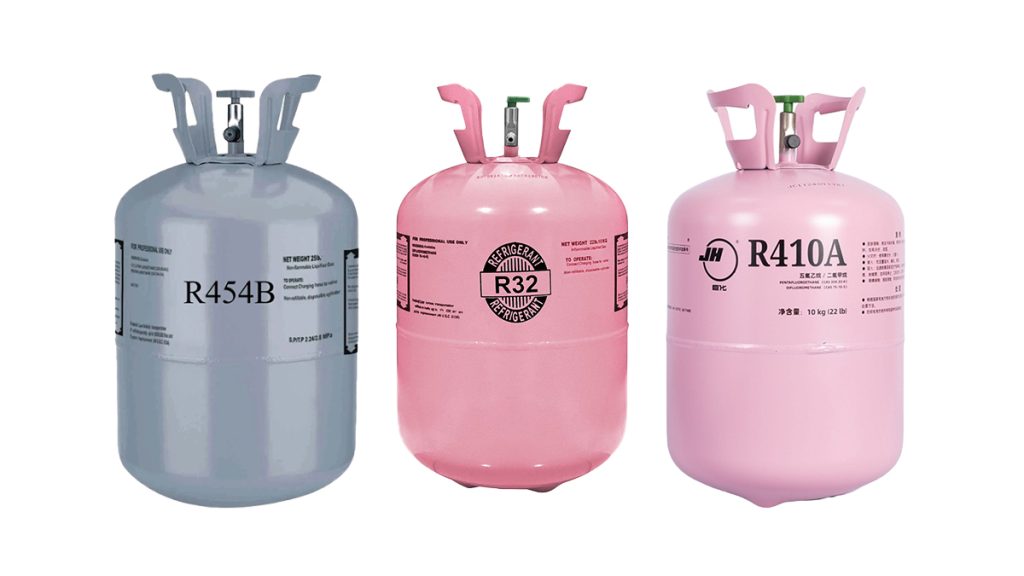
Choosing the right refrigerant is very important today. Rules about the environment are stricter, and HVAC systems are changing. R-454B refrigerant, R-32, and R-410A differ in how they affect the planet and function. For example:
R-410A has a Global Warming Potential (GWP) over 2,000, making it less friendly to the environment.
R-32’s GWP is lower than R-410A but still above 750.
R-454B refrigerant’s GWP is 45% lower than R-32, making it a better choice for the future.
Rules like the Kigali Amendment push for refrigerants with low GWP, such as R-454B refrigerant. When choosing, consider your system needs and the importance of helping the environment.
Environmental Impact of R-454B, R-32, and R-410A
Global Warming Potential (GWP) Comparison
When looking at refrigerants, Global Warming Potential (GWP) is very important. GWP shows how much heat a gas traps in the air. R-410A, used in many HVAC systems, has a GWP between 1,890 and 2,100. This high number makes it bad for the environment.
R-32 is better, with a GWP of 675. Even though it’s lower than R-410A, it still adds to global warming. R-454B, however, is a low-GWP option. Its GWP is only 466, which is about 45% less than R-32.
Here’s a simple comparison:
Refrigerant | Global Warming Potential (GWP) |
|---|---|
R-454B | 466 |
R-410A | 1890 – 2100 |
R-32 | 675 |
Switching to R-454B helps reduce greenhouse gases. Its lower GWP makes it a better choice for eco-friendly cooling.
Compliance with Environmental Regulations
Rules now require refrigerants with lower GWP numbers. The Kigali Amendment aims to reduce harmful hydrofluorocarbons (HFCs) like R-410A. Because of its high GWP, R-410A is being phased out.
Stores are already making changes. For example:
You can see that Aldi is leading in using HFC-free systems. Other companies are slower to adapt. To meet goals, businesses must cut emissions by 55% by 2030. Using low-GWP refrigerants like R-454B is a good way to do this.
Rules should also include Total Equivalent Warming Impact (TEWI) to consider energy use over time.
R-454B meets these new rules, making it a smart choice for companies wanting to help the planet.
Ozone Depletion Potential (ODP) Analysis
Ozone Depletion Potential (ODP) shows if a refrigerant harms the ozone layer. Luckily, R-454B, R-32, and R-410A all have an ODP of zero. This means they don’t damage the ozone layer.
Since ODP is the same for all three, focus shifts to GWP and environmental effects. With its low GWP, R-454B is the most environmentally friendly option, even though all three are safe for the ozone.
Efficiency and Performance of R-454B Refrigerant and Alternatives
Cooling Capacity and Energy Efficiency
Cooling ability and energy use are important when comparing refrigerants. R-454B works like R-410A but uses energy more efficiently. Studies show R-454B can save up to 5% more energy than R-410A. Its compressor temperatures are closer to R-410A than R-32, making it easier to switch to low-GWP refrigerants.
Here’s how R-454B compares to others:
Tests show R-32 units have an EER of 11.18 and IPLV of 17.11. R-454B units reach 10.09 EER and 16.18 IPLV.
Using R-454B can save 1.6% to 4.4% energy yearly, cutting costs by up to $117,000 over the equipment’s life.
R-454B works with current POE lubricants, making it simple to use in existing systems.
Switching to R-454B helps the environment and improves energy use. It’s a smart, long-term choice.
Impact on System Design and Performance
Using R-454B may need small changes to system design. For example, matching R-410A’s cooling power might require 10-20% more heat transfer area. However, R-454B’s pressures and performance are similar to R-410A, so big changes aren’t needed.
Aspect Studied | Description |
|---|---|
Heat Exchangers | Changes needed for better cooling and efficiency with R-454B. |
Compressor Models | Predictions for how low-GWP refrigerants like R-454B will perform. |
Environmental Impact | Balancing eco-friendly benefits with safety and system updates. |
These adjustments ensure R-454B works well while meeting environmental rules.
Lifecycle Environmental Benefits
R-454B is great for long-term environmental benefits. Its GWP of 466 is much lower than R-410A’s GWP of 1890 to 2100. Over time, this helps reduce greenhouse gases and supports eco-friendly cooling.
Refrigerants have changed over time to improve efficiency and help the planet. For example:
Year/Period | Refrigerant Type | Key Developments | Efficiency Impact |
|---|---|---|---|
1920s | Early Refrigerants | First attempts to find new refrigerants | Built basic knowledge |
1980s | HFCs | HFCs became widely used in businesses | Better energy use than older CFCs |
2010s | Fourth Generation | Focused on eco-friendly and efficient options | New refrigerants often saved energy |
Choosing R-454B follows this trend. It balances good performance, energy savings, and care for the environment.
Safety Considerations for R-454B vs. R-410A
Flammability and Risk Assessment
Knowing about flammability is important when comparing R-454B and R-410A. R-410A does not catch fire, so it’s safer in risky areas. R-454B, however, is in the A2L group, meaning it has low flammability. This means it’s mostly safe but still needs care during setup and repairs.
Important factors like Lower Flammability Limit (LFL) and Minimum Ignition Energy (MIE) help measure safety. For R-454B, the LFL is higher than hydrocarbons, making ignition less likely. Its MIE is also higher, needing more energy to start a fire.
Property | What It Means |
|---|---|
Lower Flammability Limit (LFL) | The smallest gas amount in air that can burn. |
Heat of Combustion (HoC) | Energy released when the gas burns. |
Burning Velocity (BV) | How fast a flame spreads through the gas. |
Upper Flammability Limit (UFL) | The largest gas amount in air that can burn. |
Minimum Ignition Energy (MIE) | The smallest energy needed to start a fire in the gas. |
R-454B is safer than other A2L refrigerants, but strict safety steps are still needed.
Handling and Storage Requirements
Safe handling and storage are key for using R-454B. Because it’s an A2L refrigerant, you must store it carefully. Keep it in ventilated spaces, away from anything that could spark a fire. Occupational Exposure Limits (OELs) are also important. R-454B has an OEL of 400 ppm, similar to R-410A.
Tips for Safe Handling:
Wear gloves and goggles for protection.
Don’t touch the refrigerant directly.
Make sure the area has good airflow.
Storage Guidelines:
Keep cylinders standing upright and secure.
Store in cool places below 120°F.
Check regularly for leaks or damage.
These steps lower risks and follow safety rules.
Compliance with Safety Standards
Both R-454B and R-410A meet safety rules, but R-454B needs extra care due to its A2L rating. Follow ASHRAE Standard 15 and ISO 5149 for safe use in HVAC systems. These rules cover ventilation, leak checks, and equipment safety.
R-454B is low in toxicity and mildly flammable, making it good for homes and businesses. However, technicians need proper training to handle it safely. Following these rules ensures safe use and lowers risks during setup and maintenance.
Cost and Transition to R-454B Refrigerant
Initial Costs and Pricing Comparison
Switching to R-454B costs money upfront. You’ll pay for the refrigerant and may need to update your HVAC system. R-454B costs about the same as R-410A but is better for the planet because of its lower global warming potential (GWP). R-410A is still easy to find, but its price may rise as it gets phased out due to environmental rules.
Laws like the Kigali Amendment and AIM Act push for using low-GWP refrigerants. These rules aim to cut emissions and improve HVAC technology. For example:
Regulation | Goal | Expected Results |
|---|---|---|
Kigali Amendment | Reduce HFCs with high GWP | |
AIM Act | Support low-GWP refrigerants | Boost research and cut emissions |
Choosing R-454B now can save you money later. It meets these rules, helping both your wallet and the environment.
Retrofitting and Equipment Compatibility
Switching to R-454B may need changes to your HVAC system. Luckily, R-454B works well with systems that use R-410A. This means fewer updates are needed. R-454B’s pressure is similar to R-410A, so equipment is less likely to break during the switch.
Still, some parts might need adjusting. Heat exchangers may need resizing for better cooling. Seals, valves, and other parts must also work with R-454B. These updates make your system safer and more efficient.
If you’re switching from R-410A, ask a trained technician to check your system. This helps avoid problems and surprise costs.
Long-Term Savings and Return on Investment
Switching to R-454B costs more at first, but it saves money over time. R-454B uses energy better than R-410A, cutting electricity bills by up to 5%. Over the life of your equipment, this adds up to big savings.
For example, businesses using R-454B can save up to $117,000 in energy costs over time. Its low GWP also helps avoid fines for breaking environmental rules.
Using R-454B also helps fight climate change by lowering greenhouse gases. This shows your business cares about the planet. Energy savings, rule compliance, and eco-friendly benefits make R-454B a smart investment.
Practical Considerations for R-454B and R-32 Adoption
Industry Adoption Trends
The HVAC industry is moving to low-GWP refrigerants like R-454B and R-32. This shift is due to stricter environmental rules. The EPA requires refrigerants with a GWP under 700 by 2025. Manufacturers are updating systems, raising production costs by 8-12%.
Key Insights | Details |
|---|---|
Regulatory Mandate | EPA requires GWP below 700 by 2025. |
Emission Reduction Goal | Cut HFC emissions by 85% in 15 years. |
Manufacturing Cost Increase | Updating systems raises costs by 8-12%. |
R-454B is becoming a top choice because of its low GWP and system compatibility. R-32 is also popular for its efficiency and moderate GWP. These trends show the industry’s focus on reducing harm to the planet while keeping performance high.
Challenges in Transitioning to R-454B or R-32
Switching to R-454B or R-32 can be hard for businesses and technicians. Both are A2L refrigerants, meaning they need updated safety steps. Their mild flammability requires good ventilation and special training for safe use.
Retrofitting systems can be tricky. R-454B works well with R-410A systems but may need changes to heat exchangers and seals. R-32 runs hotter, so it might need bigger updates. These changes cost more upfront and need skilled workers.
Tip: Work with trained technicians to ensure safety and smooth transitions.
Availability and Market Support
The market for low-GWP refrigerants is growing fast. R-454B and R-32 are becoming more popular due to new rules and energy-saving needs.
Refrigerant | Market Share | Growth Potential |
|---|---|---|
R-410A | Leading during forecast period | |
R-32 | Becoming popular | Big growth expected |
R-452A | New option | Some manufacturers adopting |
R-454B | New option | Popular for low GWP and efficiency |
The AIM Act in the U.S. pushes for low-GWP refrigerants by 2026, boosting their use. Growing markets like Asia-Pacific are driving demand for R-454B and R-32. Even with higher starting costs, these refrigerants save money over time and support global eco-friendly goals.
Knowing the differences between R-454B, R-32, and R-410A helps you choose wisely. R-454B has a very low GWP of 466. This is much lower than R-32’s 675 and R-410A’s 2,088. It’s the best choice for the environment. R-32 saves more energy, while R-410A is common but less eco-friendly.
Think about these points when picking a refrigerant:
Environmental Impact: R-454B cuts greenhouse gases and meets global rules.
Efficiency: R-32 lowers energy use and saves money.
Safety: Handle R-454B and R-32 carefully because they can catch fire.
Cost: Look at setup costs and long-term savings to decide.
The future of refrigerants is about being eco-friendly. Cities and new rules push for better options. Improved cooling systems will make green refrigerants easier to get. Choosing low-GWP options like R-454B helps the planet and meets industry needs.
FAQ
Why is R-454B better than R-410A?
R-454B harms the planet less than R-410A. It cools just as well but uses less energy. This makes it a better choice for the environment.
Is R-454B safe to use?
Yes, R-454B is safe if used correctly. It doesn’t catch fire easily and follows safety rules. Always store and handle it carefully to stay safe.
Can old systems switch to R-454B?
Yes, most R-410A systems can switch to R-454B. Small changes, like fixing heat exchangers or seals, might be needed.
How does R-454B help the planet?
R-454B lowers harmful gases because it has a low GWP. It also saves energy, making it a green refrigerant choice.
Is R-32 better than R-454B?
R-32 saves more energy but has a higher GWP than R-454B. Pick R-32 for energy savings or R-454B for less environmental harm.