

An Air Handler is a key part of your home’s HVAC system. You use it to move air throughout your house and keep rooms comfortable. The unit pushes cooled or heated air into your living spaces. Many homes pair an air handler with a heat pump, but you can also use it instead of a furnace. When you want steady temperature and clean air, this system helps you achieve both.
Air Handler Components
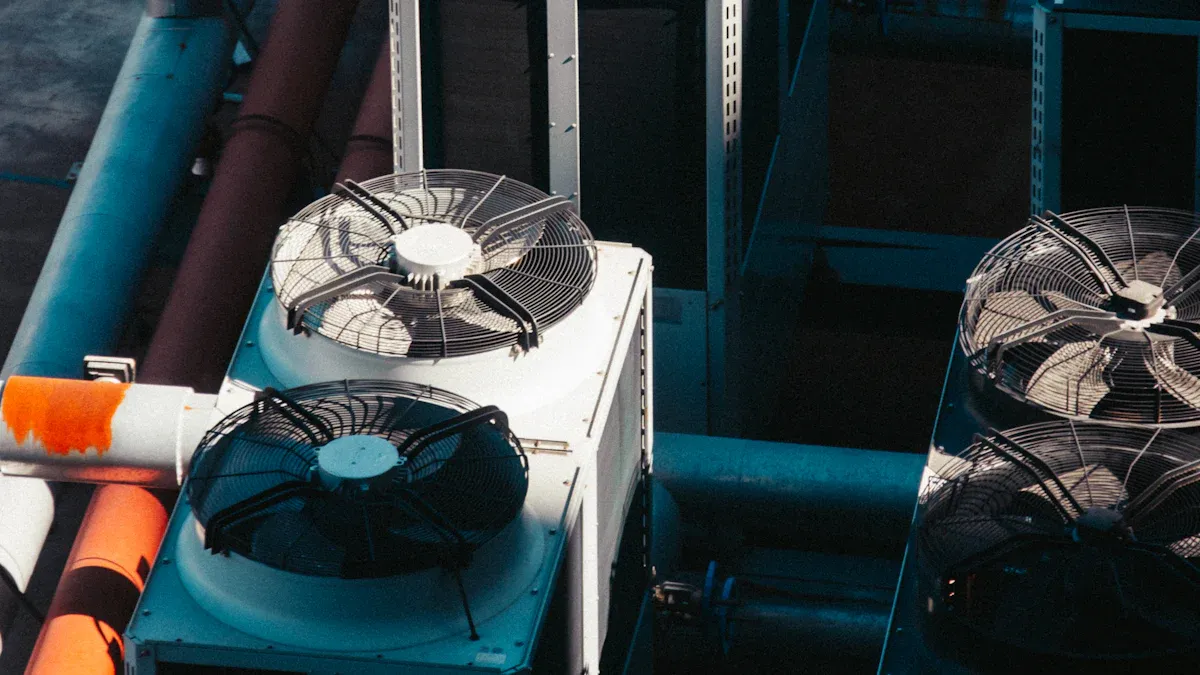
When you look inside an Air Handler, you find several important parts. Each one helps move and treat the air in your home. Here are the main components you should know about:
Blower Motor
The blower motor acts as the heart of the Air Handler. It pulls air from your rooms and pushes it through the system. You get steady airflow because the motor keeps running while your system is on. Some blower motors run at one speed, while others can change speed to match your needs. This part helps you feel comfortable in every room.
Evaporator Coil
The evaporator coil sits inside the Air Handler. When your system cools the air, this coil does the work. It holds a cold liquid called refrigerant. As warm air passes over the coil, the coil absorbs heat from the air. You get cool air sent back into your home. The coil also removes some moisture, which helps lower humidity.
Electric Heat Strip
The electric heat strip gives your system the power to heat your home. It looks like a set of metal wires or coils. When you need heat, electricity flows through the strip and makes it hot. Air passes over the strip and warms up before moving through your ducts. This part works well in mild climates or as a backup for a heat pump.
Air Filter
The air filter sits near the blower motor. It catches dust, pollen, and other small particles before air moves through the system. You get cleaner air in your home because the filter traps these unwanted items. Changing the filter often keeps your Air Handler working well and helps you breathe easier.
Tip: Check your air filter every month. A clean filter keeps your system running smoothly and your air fresh.
How Air Handler Works

Air Intake and Filtration
You start the process when your system pulls air from inside your home. The Air Handler uses its blower motor to draw air through return ducts. Before the air moves further, it passes through the air filter. This filter traps dust, pollen, and other particles. You get cleaner air because the filter removes many unwanted items.
Tip: Replace your air filter regularly. Clean filters help your system work better and keep your air fresh.
Air Circulation
After filtration, the Air Handler pushes the clean air through its internal components. The blower motor sends air across the evaporator coil or heat strip, depending on whether you want cooling or heating. You feel the difference in every room because the system moves air through supply ducts.
You get steady airflow.
You notice even temperatures in your home.
You enjoy improved comfort.
Heating and Cooling Process
Your Air Handler works with either a heat pump or its own electric heat strip.
For cooling, the evaporator coil absorbs heat from the air. The refrigerant inside the coil carries this heat outside. You receive cool air back into your rooms.
For heating, the electric heat strip warms up when electricity flows through it. Air passes over the strip and picks up heat. You feel warmer air in your living spaces.
You control the temperature with your thermostat. The system responds quickly to your settings.
Integration with Heat Pump or HVAC
You often pair an Air Handler with a heat pump. The heat pump moves heat in or out of your home, while the Air Handler circulates the air.
In mild climates, you use the heat pump for both heating and cooling.
The Air Handler replaces a furnace in homes without gas heating.
You can also use the Air Handler in a central HVAC system with other equipment.
Note: The Air Handler gives you flexibility. You can use it with different types of heating and cooling systems.
You get reliable comfort and clean air because the Air Handler works with your home’s HVAC setup.
Types of Air Handler
When you choose an Air Handler, you see several types. Each type fits different needs and homes. Understanding these options helps you pick the best system for your comfort.
Single-Speed vs. Variable-Speed
You find two main types of blower motors in air handlers: single-speed and variable-speed.
Single-Speed: This type runs at one fixed speed. When you turn on your system, it blows air at full power until your home reaches the set temperature. You get simple operation and lower upfront cost. However, you may notice uneven temperatures or more noise.
Variable-Speed: This motor adjusts its speed based on your home’s needs. It can run at low, medium, or high speeds. You enjoy steady airflow, quieter operation, and better humidity control. Your energy bills may drop because the system does not always run at full power.
Tip: If you want more comfort and energy savings, consider a variable-speed model.
Packaged vs. Split System
You also choose between packaged and split systems.
Packaged System: All parts sit in one outdoor unit. You often see these in homes with limited indoor space. Installation is quick and easy. You get both heating and cooling from one box.
Split System: The Air Handler sits inside your home, while the heat pump or air conditioner stays outside. This setup gives you more flexibility. You can place the indoor unit in a closet, attic, or basement.
Applications and Pairings
You use air handlers in many ways. You can pair them with heat pumps for both heating and cooling. In some homes, you use them as an alternative to a furnace. You see air handlers in both new homes and older houses that need an upgrade.
Note: Always match your Air Handler to your home’s size and your climate for the best results.
Air Handler and Comfort
Temperature Control
You want your home to stay at the right temperature all year. The Air Handler helps you do this by moving warm or cool air to every room. When you set your thermostat, the system listens and works to match your choice. You feel comfortable because the air spreads evenly. You do not get hot or cold spots. This steady control makes your home a better place to relax.
Tip: Keep doors and vents open so air can move freely. This helps your system keep the temperature even.
Humidity and Air Quality
You also need good air quality and the right amount of moisture in your home. The Air Handler removes extra moisture when it cools the air. This helps stop mold and keeps you feeling fresh. The air filter catches dust, pollen, and pet hair. You breathe easier and have fewer allergies.
Less humidity means less sticky air in summer.
Clean air helps you stay healthy.
Note: Change your air filter often. A clean filter keeps your air fresh and your system working well.
Energy Efficiency
You save energy when your system works the right way. A variable-speed Air Handler uses less power because it does not always run at full speed. You pay less for electricity. You also help the planet by using less energy.
Feature | Benefit |
|---|---|
Variable-speed motor | Lower energy bills |
Clean air filter | Better airflow |
Regular maintenance | Longer system life |
Saving energy means saving money. Take care of your system for the best results.
Maintenance and Common Issues
Signs of Problems
You need to watch for signs that your air handler is not working right. Common problems can affect comfort and air quality. Here are some things you might notice:
Weak airflow from vents
Strange noises like banging or squealing
Bad smells coming from the system
Higher energy bills than usual
Uneven temperatures in different rooms
Tip: If you see water leaking near your air handler, act quickly. Water can damage your home and your system.
Basic Maintenance Tips
You can keep your air handler running well with simple steps. Regular care helps prevent big problems and saves money. Try these tips:
Change the air filter: Check the filter every month. Replace it when it looks dirty.
Clean around the unit: Remove dust and debris from the area near your air handler.
Check the drain line: Make sure water can flow out. Clear any clogs you find.
Inspect the blower motor: Look for dust buildup. Clean it gently if needed.
Listen for odd sounds: Catch problems early by paying attention to new noises.
Maintenance Task | How Often | Why It Matters |
|---|---|---|
Change air filter | Monthly | Keeps air clean |
Clean drain line | Every 3 months | Prevents water damage |
Inspect blower motor | Twice a year | Ensures good airflow |
Note: Write down the dates when you do maintenance. This helps you remember and spot patterns.
When to Call a Professional
You can fix small issues, but some problems need expert help. Call a professional if you notice:
No air coming from vents
Ice on the evaporator coil
Burning smells or smoke
Frequent system shutdowns
Water leaks you cannot stop
A trained technician can find the cause and fix it safely. You protect your home and your comfort when you get help early.
🛠️ Alert: Do not try to repair electrical parts yourself. You risk injury and damage.
You rely on your air handler to keep your home comfortable and your air clean. Knowing how each part works helps you spot problems early. Regular maintenance keeps your system running smoothly and saves you money. If you notice issues, call a professional for help.
Tip: Stay proactive with care. You protect your comfort and your investment.