
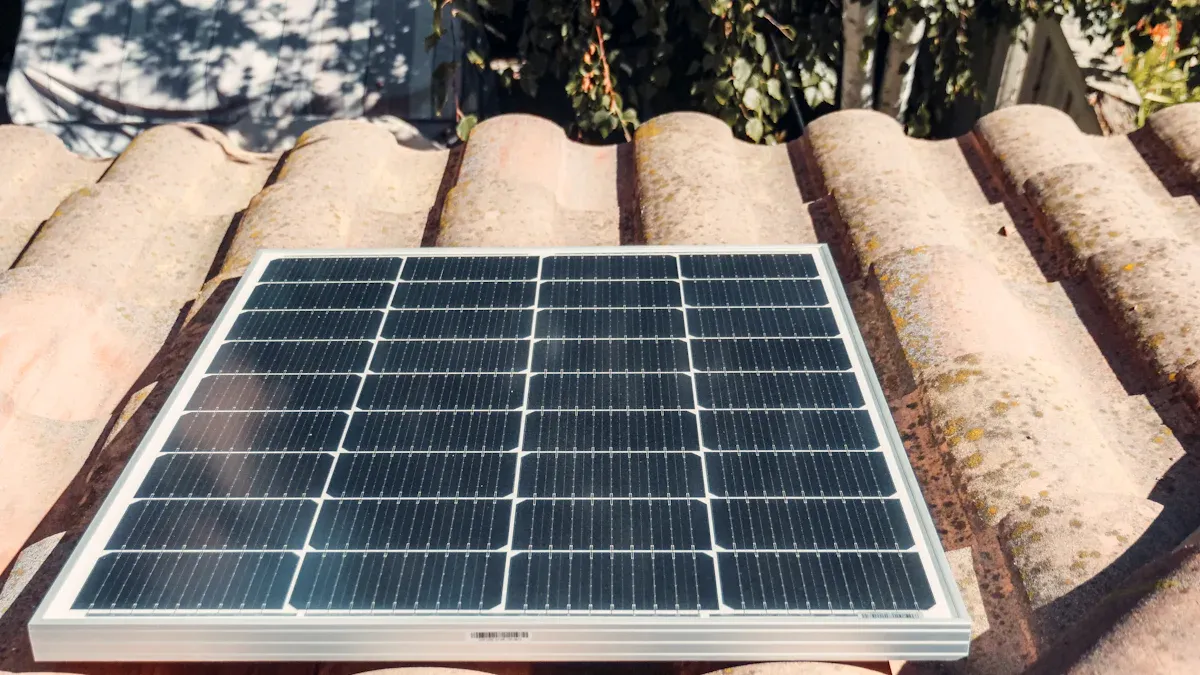
Choosing the best solar AC isn’t just about staying cool. It’s also about making smarter and greener choices for your home. Energy-saving systems are common now, helping you save money on bills. They also help lower pollution by using less energy.
New tech like inverter systems and variable-speed compressors make solar ACs smarter. They adjust cooling to match what you need, wasting less energy. This makes them work better and more efficiently.
Solar power runs these systems, so you use fewer fossil fuels. Over time, this can cut pollution by up to 72% compared to old systems. An energy-saving AC not only saves you money but also helps the Earth. By getting a solar AC, you’re not just cooling your home—you’re helping the planet.
Key Takeaways
Solar ACs use sunlight to save money on electricity bills.
Using a solar AC helps the planet by lowering pollution.
Picking a solar AC with high SEER ratings saves energy.
Inverter technology changes cooling levels to save power and last longer.
Smart tools like timers and remote controls make them easy to use.
Right size and matching solar panels make them work better.
Taking care of your solar AC helps it last longer.
Tax credits and rebates can make solar ACs cost less to install.
Benefits of Solar AC Systems
Save Money with Solar-Powered Cooling
Using solar-powered AC can lower your energy bills a lot. Solar energy helps your AC use less electricity from the grid. This means you spend less, especially in hot summers when ACs run more. Did you know 88% of U.S. homes use AC, causing high bills? Solar ACs avoid this by using renewable energy instead.
Here’s how solar ACs save you money:
Benefit | |
|---|---|
Solar panels cut electricity use from the power grid. | |
Heat pumps reduce energy needs even more. | |
Summer AC use raises bills for most homes. |
Buying a solar AC saves money and keeps your home cool.
Solar ACs Help the Environment
Solar ACs don’t just save money—they help the planet too. Regular ACs use lots of electricity, adding to carbon pollution. ACs make up 6% of U.S. electricity use, costing $29 billion yearly. Solar ACs use less fossil fuel energy, cutting greenhouse gases.
You can lower your carbon footprint while staying cool. Switching to solar ACs can save 30% on energy bills. Plus, you’ll fight climate change with an eco-friendly cooling system.
Gain Energy Freedom with Solar ACs
Do you depend on the grid for electricity? Solar ACs let you make your own energy, reducing grid reliance. This is useful during blackouts or in areas with bad power.
Adding batteries gives even more energy freedom. Batteries store power for your solar AC, so cooling won’t stop. Making your own energy also protects you from rising electricity costs. It’s great for saving money and feeling secure.
Boosting Property Value with Energy-Efficient HVAC Units
Did you know upgrading your HVAC can raise home value? It’s true! Buyers today want homes that save money and energy. Adding a solar AC or efficient system makes your home better. It also attracts more buyers by being eco-friendly.
Energy-saving HVAC systems are great for selling homes. They cut energy costs, which buyers love. Plus, they show you’ve added modern, green technology. This can make your home stand out in the market.
Here’s how much value these upgrades can add. A study found homes with energy-efficient systems gained more value:
Property Value Before | Property Value After | Cap Rate | Valuation Enhancement |
|---|---|---|---|
$33,600,000 | $36,008,000 | 8.57 |
As shown, property value can rise by 7.2%. This increase is helpful when selling your home. Even if you’re not selling soon, it’s a smart future investment.
Another perk? Energy-efficient systems may qualify for tax credits. These can lower the cost of installing new systems. Plus, you’ll save on energy bills over time. These savings add up, giving you more value.
Thinking of boosting your home’s value? Install a solar AC or efficient HVAC system. You’ll enjoy a comfy home now and higher value later.
Key Features to Look For in a Solar Air Conditioning Unit
When buying a solar AC, focus on the right features. These features make your system work better, save money, and help the planet. Let’s explore what to check for.
Understanding Energy Ratings and SEER Values
Energy ratings show how well your solar AC works. Think of them as grades for performance. One key rating is SEER (Seasonal Energy Efficiency Ratio). A higher SEER means the AC uses less energy to cool your home. This saves you money over time.
Here’s a simple guide to important performance metrics:
Metric | What It Means |
|---|---|
Efficiency | Shows how well sunlight turns into cooling power. Higher numbers mean better performance. |
Coefficient of Performance (COP) | Compares cooling output to energy used. Higher COP means better energy use. |
Electricity Consumption | Tracks how much electricity the system uses. Lower use means lower bills. |
Heat Exchange | Measures how well heat is removed. Better systems waste less energy. |
Energy Consumption | Includes all energy used, helping save money and the environment. |
Energy Cost | Shows how much you’ll spend on energy. Lower costs are better. |
Pick a solar AC with a high SEER and great efficiency. These features keep your home cool without raising your bills.
The Role of Inverter Technology in Energy Efficiency
Inverter technology makes solar ACs smarter and more efficient. Unlike old systems that turn on and off, inverters adjust speed to match cooling needs. This saves energy and reduces wear on the system.
Studies show inverters improve energy use a lot. For example:
Study Title | What It Studied | Key Results |
|---|---|---|
Grid Simulation and Power Hardware-in-the-Loop | Tested battery and inverter control on electric grids. | Found inverters help smooth voltage and lower peak power use. |
Hawaiian Electric Advanced Inverter PHIL Testing | Looked at solar inverters on Hawaii’s grid. | Results led to better rules for solar inverter functions. |
Multi-Inverter Anti-Islanding Evaluation Using PHIL | Tested inverter safety in multi-inverter setups. | Proved inverters meet safety standards by stopping islands quickly. |
These studies show inverters save energy and help the grid. Choose a solar AC with advanced inverter tech for better savings and performance.
Choosing Eco-Friendly Refrigerants for Sustainability
The refrigerant in your solar AC affects the environment. Older systems use harmful refrigerants that hurt the ozone and warm the planet. Newer systems use eco-friendly options like R-32 or R-410A, which are safer.
Why this matters:
Eco-friendly refrigerants have less global warming impact.
They make your AC more efficient, using less energy.
Many countries now require these refrigerants, so your system stays up-to-date.
By picking a solar AC with safe refrigerants, you help the Earth and save energy. It’s a smart choice for you and the planet.
Smart Features and Controls for Better Use
When picking a solar AC, look for smart features. These make using the AC easier and help save energy and money. Here are some of the best features to consider:
1. Programmable Thermostats
A programmable thermostat lets you set cooling times. For example, you can turn the AC off when you leave home. Then, it can turn back on before you return. This saves energy and keeps your home comfy.
2. Remote Control Access
Control your AC from anywhere with your phone or tablet. Forgot to turn it off before leaving? No problem! Adjust the temperature even if you’re far away.
Tip: Some systems work with Alexa or Google Home. Use voice commands for easy control!
3. Energy Monitoring Tools
Some solar ACs track energy use in real time. You can see when the AC uses the most power. This helps you change habits to save energy and money.
4. Adaptive Cooling Technology
Adaptive cooling learns your favorite settings. It adjusts automatically to match your preferences. For example, it can cool your bedroom at night without you doing anything.
5. Multi-Zone Cooling
Different rooms can have different temperatures with multi-zone cooling. This stops energy waste in empty rooms. Everyone in the house can enjoy their ideal temperature.
6. Alerts and Maintenance Reminders
Smart alerts tell you when to clean filters or do maintenance. This keeps your AC working well and lasting longer.
Why Smart Features Are Important
Smart features aren’t just cool—they save energy and help the planet. They also make your home more modern and appealing to buyers.
Note: Not all solar ACs have these features. Check the product details before buying.
Smart features make your solar AC easier to use and more efficient. They save money, reduce waste, and keep your home comfortable. Choose a solar AC with these features for the best experience.
Sizing and Compatibility of Solar AC Systems
Picking the right solar AC isn’t just about style. It’s about making sure it fits your home’s energy needs. It also needs to work well with your solar panels. Let’s break it down into simple steps.
Choosing the Right Size for Your Solar AC
The size of your solar AC is very important. If it’s too small, it won’t cool your home well. If it’s too big, it wastes energy and costs more. So, how do you pick the right size?
Start by checking how much energy your home uses. Look at patterns like summer energy use or daily habits. This helps you know how much cooling power you’ll need. For example, if your home uses more energy in summer, you’ll need a stronger system.
Here’s a tip: AC size is measured in BTUs (British Thermal Units). A common rule is 20 BTUs per square foot of space. But don’t stop there—things like insulation, windows, and your local weather also matter.
Pro Tip: Ask an expert to calculate the right size. This way, your solar AC won’t be too big or too small. It’ll save you money and energy.
Matching Your Solar AC with Your Solar Panels
Your solar AC and solar panels need to work as a team. If one doesn’t work well, the other won’t either.
First, check how much energy your solar panels make. Your AC should use less energy than your panels produce. For example, if your panels make 5 kWh daily and your AC uses 4 kWh, that’s perfect. But if your AC needs more, you’ll have to use grid power, which isn’t ideal.
Also, think about the inverter. This device changes solar energy into electricity for your home. Make sure it can handle your AC’s energy needs.
Note: If you plan to upgrade your solar panels later, pick an AC that works with higher energy levels. This way, you won’t need a new AC.
Adding Batteries for Solar-Powered Cooling
Batteries can make your solar AC even better. They store extra solar energy for later use. This is helpful at night or on cloudy days.
Here’s why batteries are a good idea:
They can cover up to 90% of your energy needs.
You can save money by using stored energy during expensive peak hours.
They keep your AC running during power outages.
When choosing a battery, think about your AC’s energy use. Air conditioners need a lot of power, so your battery must be strong. For example, if your AC uses 2 kWh per hour and you want it to run for 5 hours, you’ll need a 10 kWh battery.
Tip: Pick batteries that last long and work efficiently. They may cost more at first but save money over time.
By picking the right size, matching it with your solar panels, and adding batteries, you’ll have a reliable and energy-saving cooling system for your home.
Checking How Solar ACs Work in Different Climates
When picking a solar AC, think about your local weather. Not all systems work well everywhere. Some are great for hot places, while others suit humid or cold areas. Let’s see how to choose the best one for your home.
1. Hot and Dry Areas
In deserts or hot places, your AC must handle high heat. Systems with high SEER ratings are good for this. They cool your home while using less energy.
Tip: Choose models with advanced heat removal features. These work well in very hot summers.
2. Humid Places
In humid areas, ACs need to cool and remove moisture. A solar AC with a dehumidifier helps a lot. It keeps your home comfy and stops mold.
Pro Tip: Look for a “dry mode” feature. It reduces humidity without overcooling your home.
3. Cold Regions
Solar ACs aren’t just for hot weather. Many now have heat pumps for heating too. If winters are cold, pick a system that works in low temperatures. Some even stop ice from forming on outdoor parts.
4. Coastal Locations
Near the ocean, salty air can damage ACs. Pick systems with anti-rust coatings on outdoor units. This protects them and makes them last longer.
Note: Clean the outdoor unit often to remove salt and dirt.
5. Power Outage Areas
If blackouts happen often, get a solar AC with batteries. Batteries store energy, so your AC works even without power.
Did You Know? Some solar ACs switch to battery power automatically during outages. This keeps your home cool.
Testing Your AC for Your Climate
Before buying, check reviews from people in your area. They can tell you how well the system works locally.
You can also ask the company for advice based on your location.
By checking how a solar AC works in your climate, you’ll pick a better system. It will save energy, work well, and keep you comfortable wherever you live.
Cost Analysis of Solar Air Conditioning Units
Balancing Upfront Costs and Long-Term Savings
Buying a solar AC might seem expensive at first. But don’t worry—it saves you money over time. Solar ACs lower your energy bills and cost less to run.
Here’s how it works: The payback period is how long it takes to recover the cost. For example, if your solar AC costs $15,000 and saves $1,500 yearly, it pays for itself in 10 years. After that, you save money! Over 25 years, you could save tens of thousands of dollars.
Solar ACs also give a great return on investment (ROI). Subtract the cost from total savings to see your gain. Plus, solar energy reduces your need for grid power. This protects you from rising electricity prices.
Tip: Think of a solar AC as a smart investment. It cools your home and saves money for years.
Exploring Tax Credits and Rebates for Solar AC Systems
Did you know tax credits and rebates make solar ACs cheaper? Governments and utility companies offer programs to cut costs. These incentives help make solar ACs more affordable.
Here are some popular tax credits:
Tax Credit Type | Benefit Description |
|---|---|
Residential Clean Energy Credit | |
Federal Tax Credits for Energy Efficiency | Save up to $3,200 yearly for energy-efficient upgrades, covering 30% of costs. |
Central Air Conditioners Tax Credit | Receive 30% back, up to $600, for eligible AC systems. |
These programs can save you thousands. For example, if your solar AC costs $6,000, a 30% tax credit saves you $1,800. Add local rebates, and your upfront cost drops even more.
Note: Check with your local government or utility company. You might find extra rebates to save even more!
Comparing Brands and Models for Value and Reliability
Not all solar ACs are the same. Some are more efficient, while others last longer. How do you pick the best one? Compare features, reviews, and costs.
Here’s what to look for:
Efficiency: Choose systems with high SEER ratings and eco-friendly refrigerants. They save energy and work better.
Durability: Pick brands known for lasting products. Reliable systems save on repairs and replacements.
Cost: Small solar ACs can cost under $500. Bigger systems with panels and installation may cost up to $6,000. Tax credits and rebates help lower these prices.
Customer Support: Good warranties and helpful service make a big difference.
Pro Tip: Don’t just buy the cheapest option. Spending a bit more upfront can mean better savings later.
By researching and using incentives, you can find a solar AC that fits your budget. Balance cost, efficiency, and reliability for the best deal.
Financing Choices for Energy-Saving HVAC Systems
Buying an energy-efficient HVAC system, like a solar AC, can seem expensive. But don’t worry—there are ways to make it affordable. Here are some options to help you manage the cost.
1. Personal Loans
Banks and credit unions offer loans for home upgrades. These loans have fixed rates and monthly payments. They’re easy to plan for and budget.
Tip: Compare loan rates from different places. Lower rates save money over time.
2. Manufacturer Payment Plans
Some HVAC brands let you pay over time. They may offer low or no-interest plans for buyers. This spreads out the cost of your solar AC.
Pro Tip: Check if the plan includes extras like free maintenance.
3. Home Equity Loans
Homeowners can borrow money based on their home’s value. These loans often have lower interest rates than personal loans. They’re good for big projects like upgrading multiple systems.
Note: Be careful—missing payments could risk losing your home.
4. Rebates from Governments or Utilities
Local governments and utility companies offer rebates for energy-saving systems. These rebates lower upfront costs. For example, choosing a high-efficiency solar AC might qualify you for savings.
Did You Know? Some rebates can be combined with tax credits for bigger discounts.
5. Green Energy Loans
These loans are made for eco-friendly upgrades. They often have lower rates and flexible terms. They’re great for financing green systems like solar ACs.
6. Credit Cards with Special Offers
Some credit cards offer 0% interest for a limited time. This can help if you pay off the balance quickly.
Warning: If you don’t pay in time, interest rates can get very high.
7. Payment Plans from Installers
Many HVAC installers offer payment plans through financing companies. These plans are simple since they’re handled by the installer. Always read the terms carefully before agreeing.
By using these financing options, you can find a way to afford your system. Whether it’s a loan, rebate, or payment plan, there’s a solution for every budget. Plus, the energy savings will make the investment worth it!
Maintenance and Durability of Solar AC Systems
Taking care of your solar AC helps it work well and last longer. Let’s explore how to maintain it, how long it can last, and ways to fix common problems.
Regular Maintenance for Solar Air Conditioners
Keeping up with maintenance is important for your solar AC. Experts suggest yearly check-ups, especially for older systems or those in tough weather. These check-ups usually cost $150 to $300 a year. While it may seem pricey, it can stop bigger, more expensive problems later.
Most maintenance plans include cleaning, checking performance, and inspections. If you live in a dusty area, clean your solar panels monthly. Dust can block sunlight, making your solar AC less effective.
Here’s a tip: Write down your maintenance costs and energy use. This helps you find ways to save money and improve efficiency. Tracking this can lower long-term costs by up to 30%.
Pro Tip: Get a plan that includes cleaning, inspections, and small repairs. It’s cheaper than fixing big problems later.
How Long Solar-Powered Air Conditioners Last
Solar-powered air conditioners are made to last a long time. They don’t work as hard as regular ACs because they use solar energy. New tech also finds problems early, helping them last longer.
With good care, a solar AC can last 15 to 20 years. Solar panels might even last 25 years. Regular maintenance is key to reaching these numbers.
Did You Know? Solar ACs stay efficient over time. This means you’ll get steady cooling without needing frequent replacements.
Fixing Common Problems in Solar AC Systems
Even great systems can have issues. Knowing how to fix small problems can save you money and time.
Here are some common problems and easy fixes:
Not Cooling Well
Why: Dirty filters or solar panels.
Fix: Clean the filters and panels often to improve performance.
System Won’t Start
Why: Battery or inverter problems.
Fix: Check the battery and make sure the inverter works.
Weird Noises
Why: Loose parts or debris.
Fix: Look for loose screws or dirt and fix or clean them.
Energy Problems
Why: Weak sunlight or damaged panels.
Fix: Check the panels for damage and adjust them for better sunlight.
Tip: If you’re unsure, call an expert. Trying to fix big problems yourself can make things worse.
By keeping up with maintenance and fixing small issues early, your solar AC will work well for many years.
Importance of Warranty and Support for Long-Term Use
When you invest in a solar ac, you want it to last for years without constant headaches. That’s where warranties and customer support come in. They’re like a safety net, giving you peace of mind if something goes wrong. But not all warranties are created equal, so it’s important to know what to look for.
Why Warranties Matter
A good warranty can save you from unexpected repair costs. Imagine your solar ac stops working in the middle of summer. Without a warranty, you’d have to pay out of pocket for repairs or replacements. With one, the manufacturer covers those costs, saving you money and stress.
Here’s what a solid warranty should include:
Coverage Period: Look for warranties that last at least 10 years. Some even offer extended coverage for key components like compressors or solar panels.
Parts and Labor: Make sure the warranty covers both. Some only cover parts, leaving you to pay for labor.
Transferability: If you sell your home, a transferable warranty can add value for the next owner.
Tip: Always read the fine print. Some warranties have conditions, like regular maintenance, to stay valid.
The Role of Customer Support
Even the best solar ac systems can run into issues. That’s why reliable customer support is essential. You’ll want a company that’s easy to reach and quick to respond.
Here’s how good support makes a difference:
Quick Problem Solving: A helpful support team can guide you through troubleshooting steps. Sometimes, they can fix the issue over the phone, saving you time.
Access to Experts: Need a technician? Good support ensures you get someone qualified to handle your system.
Peace of Mind: Knowing help is just a call away makes owning a solar ac less stressful.
Comparing Warranties and Support
Not sure which brand to choose? Use this table to compare warranties and support options:
Feature | Brand A | Brand B | Brand C |
|---|---|---|---|
Warranty Length | 10 years | 12 years | 8 years |
Parts & Labor Covered | Yes | Yes | Parts only |
24/7 Support | Yes | No | Yes |
Transferable Warranty | No | Yes | No |
Pro Tip: Choose a brand with a long warranty and 24/7 support. It’s worth the extra cost for peace of mind.
By focusing on warranties and support, you’ll protect your investment and enjoy worry-free cooling for years to come.
Final Tips for Picking the Best Solar Air Conditioner
Finding Reliable Brands and Models
Choosing a good brand is very important. Trusted brands last longer and save money. But how do you pick the right one? Compare features, reviews, and ratings to decide.
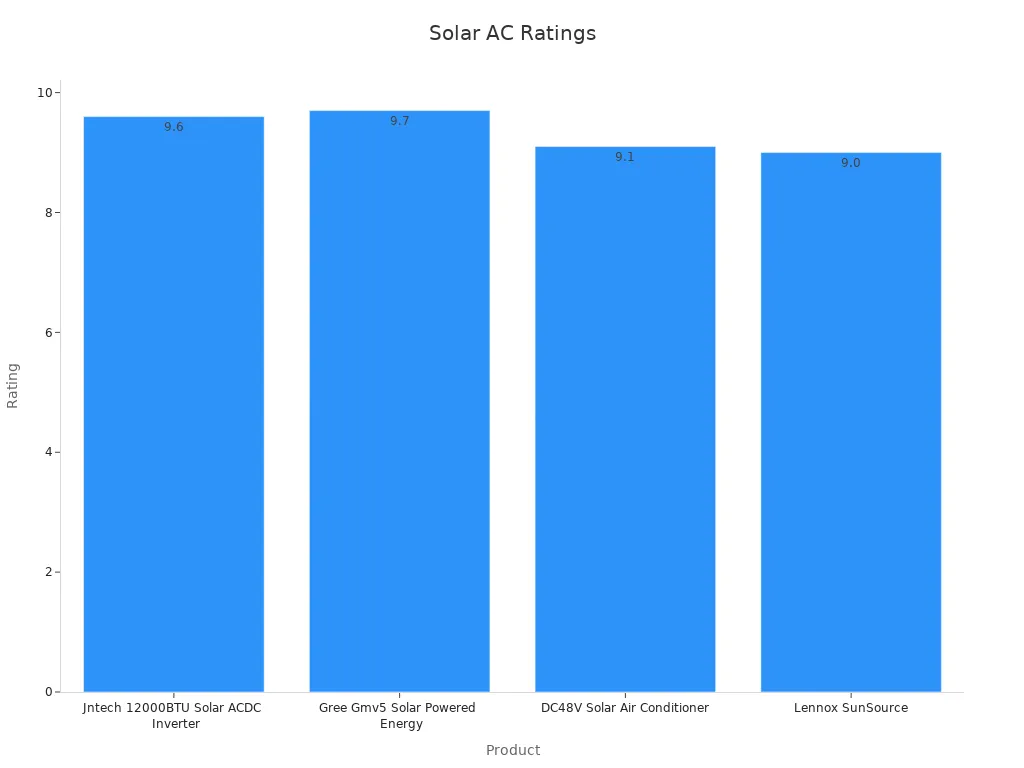
Here’s a table of some top-rated solar ACs:
Product | Features | Rating |
|---|---|---|
Jntech 12000BTU Solar ACDC Inverter | Strong copper build, Wi-Fi control, works in all seasons, energy-saving | 9.6 |
Gree Gmv5 Solar Powered Energy | Great for homes, offices, and apartments | 9.7 |
DC48V Solar Air Conditioner | Fully off-grid, protects against low battery power | 9.1 |
Lennox SunSource | Offers heat pumps and solar-powered HVAC systems | 9.0 |
Brands like SolAir World, GREE, and Lennox are popular. SolAir World has hybrid and off-grid models. GREE offers flexible hybrid units. Lennox focuses on efficient solar-powered systems. Research these brands to find one that fits your needs and budget.
Asking Experts for Help
Picking the right solar AC can be tricky. Experts in HVAC and solar systems can help. They’ll check your energy needs, suggest good systems, and even install them.
Why ask an expert?
Right Size: They calculate the perfect size for your home.
Compatibility: They make sure your solar AC works with your panels.
Support: Experts can fix problems and give maintenance tips.
Tip: Check reviews and certifications before hiring an expert. A skilled professional saves time and money.
Choosing Energy-Efficient and Green Options
Energy efficiency and being eco-friendly are very important. A good solar AC lowers bills and helps the planet. Look for high SEER ratings, safe refrigerants, and smart technology.
Here’s how to pick an efficient system:
Check Ratings: Higher SEER numbers mean better energy savings. Look for 16 or more.
Pick Safe Refrigerants: Choose R-32 or R-410A refrigerants, which are better for the Earth.
Try Hybrid Models: Hybrid ACs use both solar and grid power for flexibility.
Use Smart Features: Tools like programmable thermostats save energy easily.
By focusing on these tips, you’ll have a comfy home and help protect the environment.
Planning for Future Energy Needs with Solar AC Systems
Planning ahead is always a good idea, especially for energy. If you’re thinking about a solar AC, you’re already preparing for the future. But how can you make sure it meets your needs for years? Let’s simplify it.
1. Think About Changes in Your Home
Your energy needs might grow over time. You could add a room, get new appliances, or set up a home office. These changes mean you’ll need more cooling. Choose a solar AC that can handle slightly more than what you need now. This way, you won’t need a new one later.
Tip: Experts suggest picking a system with 10-20% extra capacity. This gives you room for future changes.
2. Plan for Better Solar Panels
Solar panels are getting better every year. New ones make more energy from the same sunlight. If you plan to upgrade your panels later, make sure your solar AC works with higher energy levels. This keeps your system efficient as technology improves.
3. Add Batteries for Extra Power
Batteries store extra solar energy for nighttime or outages. They also save money by using stored power during expensive times. If you don’t want a battery now, pick a solar AC that can connect to one later. This makes your system ready for the future.
4. Prepare for Hotter Weather
Summers are getting hotter in many places. Your solar AC should handle extreme heat. Look for systems with high SEER ratings and advanced cooling features. These will keep your home cool, even in changing climates.
Did You Know? Some solar ACs adjust cooling based on outdoor weather. This saves energy and keeps your home comfy.
5. Watch for New Incentives
Governments often update tax credits and rebates for solar systems. Staying informed can help you save money when upgrading or expanding your system.
By planning for future energy needs, your solar AC will work better for longer. You’ll save money, stay cool, and help the planet at the same time.
Picking the best solar AC is more than buying one. It’s a smart way to save money and help the planet. Solar ACs lower energy bills and use less harmful power. Think about how much cooling your home needs before choosing. Ask experts to help you find the right system. A solar AC keeps your home cool and adds value over time. Choosing wisely means you’re helping the Earth and saving for the future.
FAQ
What is a solar AC, and how does it work?
A solar AC cools your home using sunlight. Solar panels collect sunlight and turn it into electricity. This electricity powers the air conditioner, saving energy and lowering bills.
Can a solar AC work during cloudy days or at night?
Yes, it can! Solar ACs often use batteries to store energy. On cloudy days or at night, they use stored power or switch to grid electricity.
How much can I save with a solar AC?
Savings depend on your energy use and electricity rates. Most people save 30-50% on cooling costs. Over time, these savings can cover the system’s cost.
Do I need special maintenance for a solar AC?
Not really. Clean filters and solar panels regularly to keep it working well. A yearly check-up by a professional is also helpful.
Is a solar AC suitable for all climates?
Yes, but pick one that fits your weather. High-SEER models are great for hot areas. Systems with dehumidifiers work better in humid places.
How long does a solar AC last?
With good care, a solar AC can last 15-20 years. Solar panels often last longer, up to 25 years. Maintenance helps them last even more.
Are there government incentives for solar ACs?
Yes! Many governments offer tax credits or rebates for solar ACs. These programs can lower the upfront cost. Check local options for details.
Can I install a solar AC myself?
It’s not a good idea. Installing one needs electrical skills and proper setup. A professional can do it safely and make sure it works well.