

You use a cooling water tower to keep your building safe. It takes heat away from machines and air. This makes rooms cooler and helps things work better. You protect costly machines and keep the place steady for everyone.
Tip: Check your tower often to stop heat issues and keep things working well.
What is a cooling water tower?

Core function and design
You use a cooling water tower to remove heat from your building. This system helps you keep your equipment and spaces at the right temperature. Cooling towers work by moving warm water from your building into the tower. Inside, the water meets air. Some of the water evaporates, which takes away heat. The cooler water then returns to your system. You often see cooling towers as part of large air conditioning or hvac systems.
The design of a cooling water tower focuses on efficiency. You find fans, fill media, and drift eliminators inside. Fans pull air through the tower. Fill media spreads the water out, so more air can touch it. Drift eliminators stop water droplets from escaping into the air. Each part helps you save energy and protect your equipment.
Note: A well-designed cooling tower can lower your energy bills and extend the life of your machines.
Types of cooling towers
You can choose from several types of cooling towers. Each type fits different needs and building sizes. Here are the main types:
Open-circuit cooling towers: These towers let water and air mix directly. You often use them in factories and large buildings.
Closed-circuit cooling towers: In these towers, water flows through coils. Air cools the coils, but the water does not mix with the outside air. You use these when you want to keep the water clean.
Hybrid cooling towers: These combine features from both open and closed types. You get better efficiency and less water loss.
Type | Water-Air Contact | Best Use Case |
|---|---|---|
Open-circuit | Direct | Factories, big offices |
Closed-circuit | Indirect | Clean water needs |
Hybrid | Both | Energy savings |
You should pick the type that matches your building’s needs. The right choice helps you keep your cooling towers running well and your building comfortable.
How cooling water towers work
Heat removal process
You need a cooling water tower to take heat away. Warm water from your system goes into the tower. Fans move air through the tower. The water spreads out over fill media. This gives the water more space to touch air. Some water evaporates when air moves over it. Evaporation removes heat from the water. The cooler water goes back to your equipment.
This process helps you control waste heat in your building. The tower keeps machines and people safe from high temperatures. Your equipment works better when you manage heat. You also save money by lowering repair costs.
Tip: Watch how water flows and how air moves in your tower. Good flow helps your tower work well and stops overheating.
Role in HVAC and industry
Cooling towers are used in many places. They are important for hvac systems in offices, hospitals, and schools. You use them to keep air cool and comfy. Factories use cooling towers to stop machines from getting too hot. Data centers need cooling towers to keep servers working right.
Here is how cooling towers help in different places:
Application | Purpose | Benefit |
|---|---|---|
Office buildings | Help hvac and comfort | Lower energy bills |
Hospitals | Keep hvac safe | Protect patients |
Factories | Cool machines and processes | Improve performance |
Data centers | Control heat from servers | Prevent downtime |
Using the right cooling tower makes things work better and last longer. It also helps your hvac system and keeps your building running smoothly.
Benefits of cooling towers
Energy efficiency
You want your building to use less energy. Cooling towers help you do this. They take heat away from your cooling system. They do not need much electricity. When you use cooling towers, your air conditioning units work less. Your hvac system does not have to run as hard. You save money on your energy bills each month.
Many factories and data centers use cooling towers for energy efficiency. For example, a data center uses cooling towers to cool servers. This means they do not need big air conditioners. In a factory, cooling towers keep machines at the right temperature. You get better energy efficiency and pay less for power.
Tip: Clean your cooling towers often. Dirt and scale can block air and water flow. This makes energy efficiency worse and your bills go up.
You can see how energy efficiency helps in different places:
Location | How Cooling Towers Help | Energy Efficiency Result |
|---|---|---|
Data Centers | Cool servers | Lower power use |
Factories | Manage machine heat | Save on energy |
Office Buildings | Support hvac | Reduce electricity |
Equipment reliability
You want your machines to last longer. Cooling towers protect your equipment from getting too hot. When you control heat, you stop damage early. This means fewer repairs and less downtime. Your cooling water tower keeps your building safe and your machines working.
In busy places like manufacturing plants, cooling towers are very important. You keep production lines moving. In hospitals, cooling towers help medical machines work all the time. You trust your cooling towers to keep things steady.
You have fewer emergency repairs.
You avoid expensive breakdowns.
You make all your systems work better.
Note: Check your cooling towers for leaks and rust. Small problems can get worse if you ignore them.
Environmental impact
You care about the environment. Cooling towers help you use less energy and water. This helps your building be more sustainable. When you use cooling towers, you manage waste heat better. You send less heat into the air and save resources.
Many companies want to lower their carbon footprint. Cooling towers help you do this. You use less electricity, so you make fewer greenhouse gases. In big buildings, cooling towers help the planet a lot.
Here are ways cooling towers help the environment:
Use less water with smart designs.
Waste less energy by cooling only what you need.
Help meet green building standards.
Alert: Upgrade old cooling towers with new technology. New designs work better and help the environment.
You can see that cooling towers give you energy efficiency, equipment reliability, and help the environment. You make your building better for people and the planet.
Cooling tower maintenance secrets
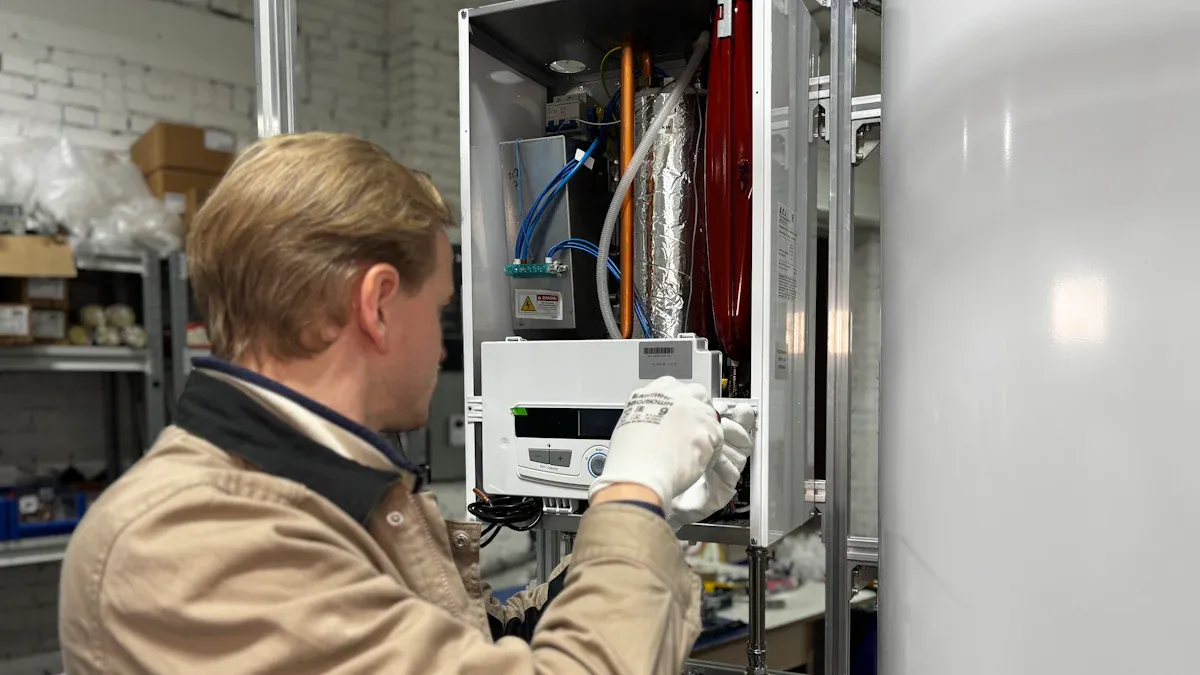
Maintenance tips
You want your cooling water tower to work well every day. Good maintenance helps you get the best efficiency and keeps your cooling system safe. You should check your tower often. Look for dirt, leaves, or anything that blocks water or air. Clean the fill media and fans. This helps air move better and water flow smoothly.
You should test the water quality. Dirty water can cause scale and rust. Use water treatment to stop these problems. You also need to check pumps and motors. Listen for strange sounds. Tighten loose parts. Oil moving parts if needed. These steps help you avoid big repairs and keep your tower running.
Here is a simple checklist for you:
Inspect the tower for dirt and debris every week.
Clean fill media and fans every month.
Test water quality and add treatment as needed.
Check pumps, motors, and belts for wear.
Tighten bolts and oil moving parts.
Record all checks in a logbook.
Tip: Set a regular schedule for maintenance. This keeps your tower at top performance and saves money.
Common mistakes
Many people make mistakes when they care for cooling towers. You can avoid these errors and improve efficiency. One common mistake is skipping regular cleaning. Dirt and scale build up fast. This blocks water and air. Your tower works harder and uses more energy.
Some people forget to check water quality. Bad water causes rust and scale. This lowers performance and can damage your cooling system. You should always test and treat the water.
Another mistake is ignoring small leaks or strange noises. These signs show you that something is wrong. Fix problems early to avoid bigger issues.
Here is a table of common mistakes and how to avoid them:
Mistake | How to Avoid |
|---|---|
Skipping cleaning | Clean tower on schedule |
Not testing water | Test and treat water often |
Ignoring leaks or noise | Fix problems right away |
Forgetting logbook | Write down all checks |
Alert: Never ignore warning signs. Early action keeps your tower safe and boosts efficiency.
Innovations and upgrades
You can use new technology to make your cooling towers better. Smart sensors now track temperature, water flow, and energy use. These sensors send alerts to your phone or computer. You see problems early and fix them fast. This improves efficiency and saves money.
You can upgrade to variable speed fans. These fans change speed to match the cooling load. You use less energy and get better performance. New fill media designs also help. They spread water better and cool faster.
Some towers now use UV light to clean water. This stops bacteria and keeps water safe. You can also use advanced water treatment systems. These systems use less chemicals and protect the environment.
Here are some upgrades you can try:
Install smart sensors for real-time data.
Use variable speed fans for better control.
Upgrade fill media for faster cooling.
Add UV light for water safety.
Try advanced water treatment for less chemical use.
Note: New technology helps you reach top efficiency and keeps your cooling towers ready for the future.
You can see that good maintenance, smart choices, and new upgrades help your cooling towers last longer. You get better performance, save energy, and protect your building.
Importance of cooling towers in building selection
Choosing the right tower
You must pick a cooling tower that fits your building. First, look at how big your building is. Next, think about how much heat your machines make. You also need to check how much space you have. Think about how much water and energy you want to use. Some towers are best for small offices. Other towers work better for big factories or hospitals.
You compare open-circuit, closed-circuit, and hybrid towers. Each type is good for different things. Open-circuit towers can handle lots of heat. Closed-circuit towers keep the water clean. Hybrid towers help save energy and water. You ask your supplier for help. You read reviews and look at case studies. You want a tower that costs the right amount and helps you reach your goals.
Tip: Always check local rules before you buy. Some places have strict water and energy limits.
Key factors for buildings and industries
You need to think about many things when you pick a cooling tower. Look at the weather in your area. Check how big your building is. Think about how much heat your machines make. You should also look at how much it costs to run and fix the tower. You want a system that lasts a long time.
Here is a table to help you compare:
Factor | Why It Matters | What You Should Do |
|---|---|---|
Climate | Affects cooling performance | Pick a tower for your area |
Building size | Impacts tower capacity | Match tower to building |
Heat load | Determines tower size | Measure equipment output |
Water availability | Limits tower choice | Choose water-saving models |
Maintenance needs | Affects long-term costs | Plan for easy upkeep |
Sustainability goals | Supports green practices | Use towers for sustainable building practices |
Cooling towers are important for saving energy and making your building last longer. They help your building meet green rules. They also keep people healthy and comfortable inside.
Good planning helps you avoid problems and reach your goals faster.
Cooling water towers keep your building safe and comfy. They help you use less energy and protect machines. Cooling towers also help the environment. You should take care of your tower often. Try new upgrades to make it work better. Pick the tower that fits your building. Check your tower often to catch problems.
Remember: Good choices and regular care help your cooling tower last longer and work well.
Make your tower work better with easy checks
Fix problems early to keep things running
Use new technology to help the planet