
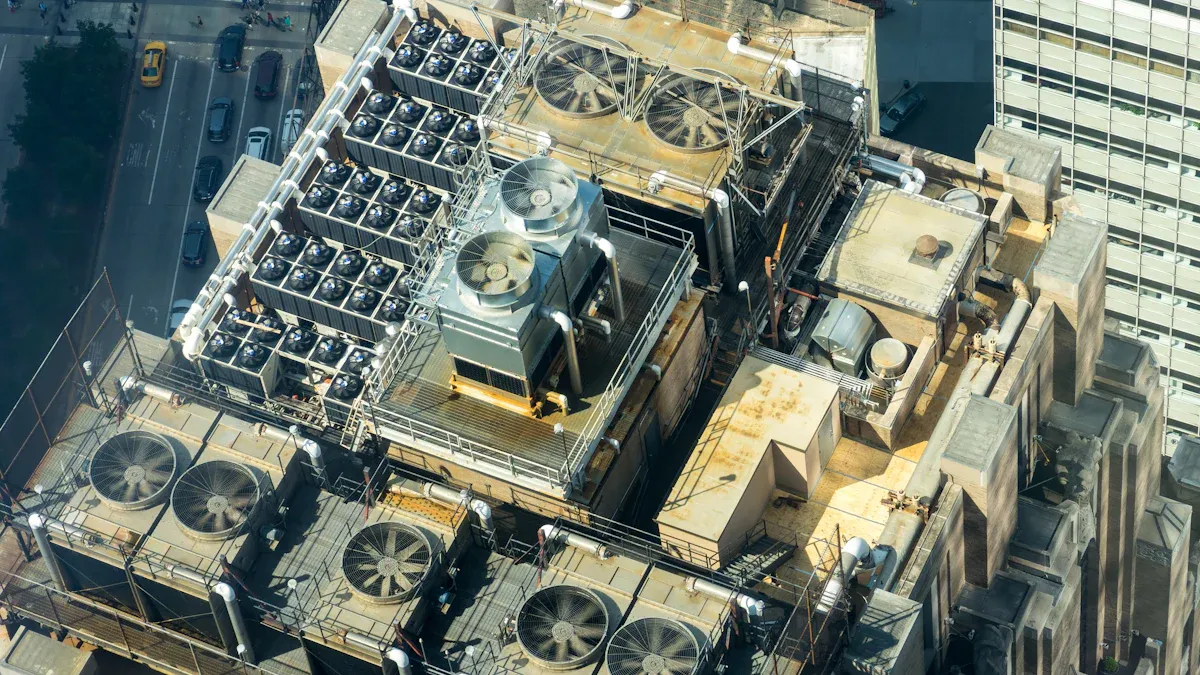
Are you thinking about if a vrf system is good for you? Many people like vrf technology because it saves energy. It also makes your space more comfortable. You might enjoy how vrf systems give you better control of your hvac. Before you choose, think about things like energy use, comfort, first cost, and upkeep. Each thing can change how you feel about vrf systems.
Key Factors for Choosing VRF

What Is Variable Refrigerant Flow?
You may wonder what variable refrigerant flow means. VRF is a type of HVAC system that uses refrigerant to heat or cool your space. You can think of it as a smart way to control temperature in different rooms. VRF technology lets you adjust the amount of refrigerant sent to each indoor unit. This means you can set different temperatures in different areas at the same time. You do not need to use one big unit for the whole building. Instead, VRF systems use several smaller units that work together. You get more control and better comfort.
Tip: VRF systems often use less energy than older HVAC systems. You can save money on your energy bills because of their energy efficiency.
Who Benefits from VRF Systems?
You might ask if VRF is right for you. Many people find VRF systems helpful. Here are some groups who benefit most:
Homeowners: If you want to control the temperature in each room, VRF can help. You can keep bedrooms cool and living rooms warm at the same time.
Small Business Owners: You may have offices or shops with different needs. VRF systems let you set the best temperature for each space.
Commercial Property Managers: Large buildings often have many rooms and zones. VRF makes it easy to manage comfort for everyone.
You should consider VRF if you want flexible control and better comfort. You may also like VRF if you want to lower your energy costs. Some buildings with customize needs, like hotels or schools, use VRF systems for better results.
User Type | Why VRF Helps |
|---|---|
Homeowners | Room-by-room comfort |
Small Business Owners | Custom settings for each area |
Commercial Managers | Easy control for large buildings |
You can see that VRF fits many needs. If you want a modern solution for heating and cooling, VRF may be a smart choice.
Pros of VRF Systems
Energy Efficiency and Savings
You want to pay less for energy. VRF systems help you save money. They use variable refrigerant flow to match what each room needs. This means you do not waste energy in empty rooms. You get energy-efficient heating and cooling every day. Many people pick VRF because it works very well. You can see your utility bills go down compared to old HVAC systems. VRF technology uses smart controls to give each area the right amount of energy. This makes VRF a great choice if you want to save energy.
Note: Energy efficiency is a big reason people like VRF systems. You can save money, but your building must be right for the system.
Personalized Comfort and Zoning
You want to feel good in every room. VRF systems let you set each room’s temperature. This is called multi-zone climate control. You might want your bedroom cooler and your living room warmer. VRF lets you do that. You can pick the best setting for each space. This helps everyone feel comfortable all day. People can choose the temperature they like best. You do not have to fight over the thermostat anymore.
Pick a different temperature for each room
Stay comfortable in every part of your home
Make everyone happy with their own settings
Flexible and Modular Design
You may need a system that fits your building. VRF systems are flexible. You can add or remove indoor units when you need to. This modular design works for homes, offices, and big buildings. You do not have to put in everything at once. You can start small and add more later. VRF systems also work with ductless mini split systems. This makes them easy to put in places where ducts do not fit. You get a system that grows with you.
Feature | Benefit |
|---|---|
Modular design | Add or remove units easily |
Works with mini splits | Fits many building types |
Flexible installation | Good for new or old buildings |
Quiet and Modern Operation
You want your home or office to be quiet. VRF systems are much quieter than old HVAC systems. The indoor units make very little noise. You can work, sleep, or relax without loud sounds. VRF technology uses special fans and compressors. This keeps the system running quietly and smoothly. Many people like how modern VRF indoor units look. They fit in with your space and do not take up much room.
Tip: Ductless mini split systems are quiet too, but VRF systems are even quieter.
Simultaneous Heating and Cooling
You may want to heat one room and cool another at the same time. VRF systems can do this. This is called simultaneous heating and cooling. You get the right temperature in every room, no matter the season. Some people call this cooling and heating at the same time. This feature is great for buildings with lots of rooms. You can keep everyone comfortable, even if they want different settings. VRF systems use smart controls to make this work. You get steady comfort and good performance all year.
VRF systems are special because they can heat and cool at the same time. Most old HVAC systems cannot do this.
Cons of VRF Systems
High Upfront Cost
You may notice that vrf systems cost more at the start. The price for equipment and setup is higher than many traditional hvac options. You pay for advanced controls and smart features. You also pay for skilled labor because vrf technology needs special training. Many people find that installation costs can be a big hurdle. If you have a tight budget, you might need to think twice before choosing vrf. Some experts say you can save money over time, but the first payment is often much larger.
Note: Always compare installation costs with your long-term savings. This helps you decide if vrf is worth the investment.
Maintenance and Installation Needs
You need to keep vrf systems in good shape. Regular maintenance is important. You must check the refrigerant levels and clean the indoor units. You also need to make sure the controls work well. If you skip maintenance, you may face problems later. The installation process is more complex than older hvac systems. You need skilled technicians who know vrf technology. If you live in a small town, you may have trouble finding experts. You should plan for extra time and money during installation.
Here is a simple checklist for maintenance:
Schedule regular inspections
Clean filters and coils
Check for leaks
Test controls and sensors
Risk of Malfunction or Leaks
You may worry about system reliability. VRF systems use many pipes and connections. If a leak happens, you can lose refrigerant. This can hurt system performance and comfort. Sometimes, a small problem can affect several rooms. You need to fix leaks quickly to avoid bigger issues. Malfunctions can also happen with controls or sensors. If something breaks, you may need a trained technician to repair it. This can cost more than fixing a basic hvac system.
Tip: Early detection of leaks helps you avoid expensive repairs. Always watch for signs like poor cooling or strange noises.
Compatibility Limitations
You may find that vrf systems do not fit every building. Some older homes or offices have layouts that make installation hard. You need enough space for pipes and indoor units. If your building has thick walls or small rooms, you may face challenges. VRF works best in new buildings or places with open designs. You should check if your current system can connect with vrf. Sometimes, you need to remove old equipment before installing vrf technology. This can add to your installation costs.
Limitation | Impact on You |
|---|---|
Old building layout | Harder to install vrf |
Limited space | Fewer options for units |
Existing equipment | May need removal |
You should always weigh the pros and cons of vrf systems before making a decision. If your building has customize needs, you may want to look at other hvac options.
Is a Commercial VRF System Right for You?
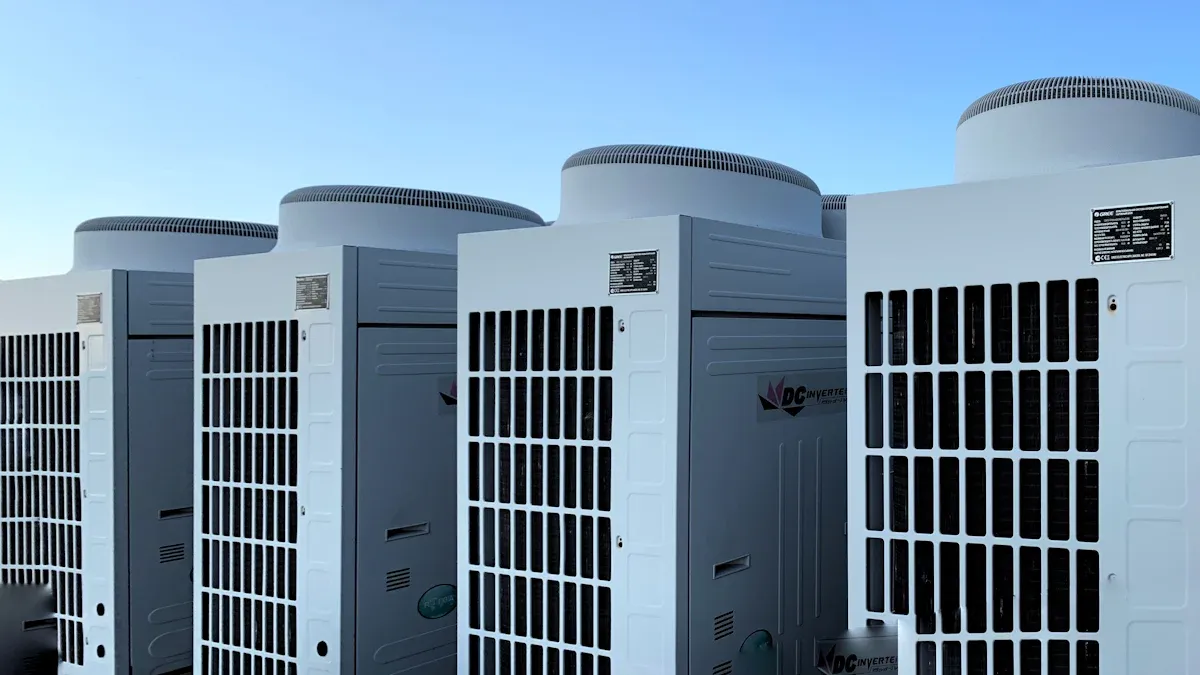
Checklist for Homeowners
You might wonder if a commercial vrf system is good for your home. Here is a checklist to help you decide:
Do you want every room to feel the same?
Does your house have many floors or zones?
Are you looking for more ways to heat and cool?
Can you pay more now to save money later?
Do you know skilled hvac technicians for setup and care?
If you said yes to most of these, a vrf system could be a good fit. You get more control and comfort in your home.
Checklist for Small Businesses
Small business owners need systems they can trust. Think about these questions:
Does your business need different temps in each area?
Do you want to spend less on energy bills?
Is it important to change your workspace layout easily?
Can you keep up with regular care for advanced systems?
Do you want a quiet and modern system?
A commercial vrf system lets you set comfort for workers and customers. You also save energy and enjoy a quiet space.
Need | VRF System Benefit |
|---|---|
Multiple zones | Individual temperature |
Energy savings | Lower utility bills |
Quiet environment | Better customer experience |
When to Consider Alternatives
Sometimes, a commercial vrf system is not the best pick. You should look at other choices if:
Your building does not have enough space for setup.
You cannot pay a lot at the start.
There are no skilled technicians nearby.
Your building’s shape does not work with flexible pipes or many indoor units.
You can check out other hvac systems if you have these problems. Always think about what you need for comfort and flexibility before you choose.
You have learned about the benefits and drawbacks of VRF systems. You can save energy and enjoy comfort in every room. You may face higher costs and need skilled care. To decide, ask yourself:
Do you want flexible temperature control?
Can you invest in advanced technology?
Is your building ready for installation?
Tip: Write down your needs and compare them with what VRF offers. This helps you choose the best HVAC system for your space.