

You need the best and most energy-saving hotel air conditioner solutions to save money and make guests feel comfortable. HVAC systems use between 60% and 80% of all the energy in a hotel.
New studies show that machine learning can guess how much energy is used with less than 2.5% mistake. This helps hotels change HVAC and lighting systems in a smart way.
Smart controls and new technology can help you use up to 25% less energy. These changes also make the air inside better and rooms quieter for guests.
Energy Efficient Hotel Air Conditioner Solutions
Practical System Choices
You want to pick the best hotel air conditioner. The right choice saves energy and money. It also keeps guests happy. Hotels can pick from many energy efficient options. Each one works for different needs and budgets.
Here are some good hotel air conditioner choices for all hotel sizes:
System Type | Best For |
|---|---|
PTAC or VTAC | Good for saving money and easy to install. You can replace them room by room. |
VRF or ductless mini-split | Great if you want quiet rooms and high efficiency. They let you control different zones. |
Centralized systems | Best for big hotels that need comfort in many spaces. |
You can also look at these energy efficient choices:
Ceiling air conditioning is good for big open rooms. It looks neat and tidy.
Ducted systems are quiet and hidden. They work well for new hotels or when you remodel. You can set each room’s temperature.
Traditional split systems are simple to put in and cost less. They fit small rooms or work with other systems.
Smart hotels use new technology to save energy. You can add smart climate control that changes for each guest. Sensors can tell if someone is in the room and change the settings. Some hotels use economizers with special cards. These turn off the air conditioner and lights when guests leave. Sensors on doors and windows help control energy use right away.
Newer systems cost more at first, but they save a lot of money and energy later.
AI and predictive algorithms help you run hotel air conditioning better. These tools find the best way to use your system and stop problems early. IoT devices collect data to help you use less energy. You can use these tools to keep rooms comfy and lower your bills.
You should match the air conditioner to each room’s size and needs. This stops energy waste. Guests want quiet rooms and steady temperatures. If you pick the right system, you can do this and make the air inside better.
Benefits for Hotels
Energy efficient hotel air conditioner solutions give you many good things. You save money and guests are happier.
You spend less to run your hotel. Efficient systems use less power, water, heat, and cooling. This means lower bills and more money for your hotel.
You make guests happier. Modern air conditioning changes by itself based on how many people are in the room. This stops energy waste and keeps guests comfy.
You get better air inside. Good filters and cleaners make the air healthier for everyone. Clean air helps stop allergies and sickness.
You make guests more satisfied. About 24% of guest complaints are about room temperature. If you keep rooms comfy, you get better reviews and more guests come back.
You stand out from other hotels. Many travelers care about health and safety. Good air and energy saving systems help your hotel get noticed.
The air inside affects the health and safety of guests and staff. Clean and fresh air is important for stopping sickness, especially during COVID-19.
You might have some problems when you switch to energy-efficient air conditioning. The first cost is high and you need trained workers. Problems getting supplies and prices can also slow you down. Still, saving money and making guests happy makes it worth it.
When you pick the right hotel air conditioner, you make things better for everyone. You save money, help the planet, and make guests want to come back.
Why Energy Efficiency Matters in Hotels
Cost Savings
Hotels can make more money by saving energy. Energy bills are about one-fourth of all costs. Only paying workers costs more than energy. Saving energy does not make guests less comfortable. Smart systems can change lights and temperature when rooms are used. Taking care of your HVAC system stops wasting energy. Using automation and LED lights can cut energy use a lot, even up to 80%. Making a little more money per room helps your hotel earn more. Many guests like hotels that help the environment. Saving energy can bring in more guests.
Guest Comfort
Saving energy is not just about money. It also makes guests feel better. Modern air conditioning lets guests pick their room temperature. This makes their stay nicer. Clean air is good for health and safety. Guests notice when rooms feel fresh and comfy. Keeping your HVAC system working well stops stuffy air and loud noises. Sensors and smart controls can change the air when guests come or go. This keeps rooms at the right temperature and saves energy. Happy guests write good reviews and want to come back.
Environmental Impact
Saving energy is good for the planet. Old air conditioning uses lots of power and makes pollution. This hurts the earth and adds greenhouse gases. Using less energy lowers your hotel’s carbon footprint. You can get new appliances, smart thermostats, and solar panels. These things help the air and protect the ozone layer. Some hotels use zoning and automation to save up to 40% energy. When you save energy, you show guests you care about the earth and their health.
Types of Hotel Air Conditioner Systems

Picking the right air conditioner system matters for hotels. You want guests to feel good and use less energy. Every system has good and bad sides. Learn how each system works before you choose.
PTAC Units
PTAC units are found in many hotels. They are common in mid-range places. These units sit under the window in each room. You can set the temperature for each guest room. PTAC units are simple to put in and take care of. They help you save money on hvac bills. You can change them one room at a time.
Key features of PTAC units:
Each guest can set their own temperature.
They save energy with adjustable thermostats.
Easy to install and need little care.
Good for small and medium hotels because they cost less.
PTAC units can be loud, especially old ones. The outside grills can change how your hotel looks.
VTAC Units
VTAC units are another kind of hvac system. You can put them in a closet or hidden spot. These units are quieter than PTAC units. They spread cool or warm air all over the room. VTAC units look neat because you do not see the unit.
VTAC advantages:
They are quiet and make guests more comfortable.
The temperature is even in the room.
Hidden units keep rooms looking nice.
VTAC disadvantages:
Harder to install.
Harder to fix when needed.
Mini-Split Systems
Mini-split systems are liked by hotels that want quiet rooms. These hvac systems have two parts: one inside and one outside. You can set the temperature in each room or zone. Mini-splits use less energy and are very quiet.
Mini-split benefits:
They are very quiet.
They save a lot of energy.
You can put them in many ways.
Mini-split drawbacks:
They cost more at first.
You see the indoor units on walls.
Need regular care to work well.
Central HVAC
Central hvac systems are good for big hotels. You can set the temperature in many rooms from one place. These systems use ducts to move air. Central hvac gives strong cooling and heating for large spaces.
Central hvac features:
Works well for big hotels.
Easy to control many rooms together.
Can use smart controls to save energy.
Central hvac challenges:
Costs a lot to install.
Hard to set temperature in each room.
Needs regular care to work well.
Pros and Cons
You should look at the main hotel hvac systems before you pick one. Here is a quick chart:
System Type | Pros | Cons |
|---|---|---|
PTAC | Easy to put in, costs less, each room control | Can be loud, changes building look |
VTAC | Quiet, hidden, even temperature | Hard to install, hard to fix |
Mini-Split | Quiet, saves energy, flexible | Costs more, units show, needs care |
Central HVAC | Good for big hotels, smart controls | Expensive, less room control, needs care |
About 24% of guest complaints are about room temperature. Picking the right hvac system helps you keep guests happy and save energy.
Match your hvac system to your hotel’s size, budget, and what guests want. This helps you get the best comfort and save energy.
Key Features for Energy Efficiency and Ratings
Smart Controls
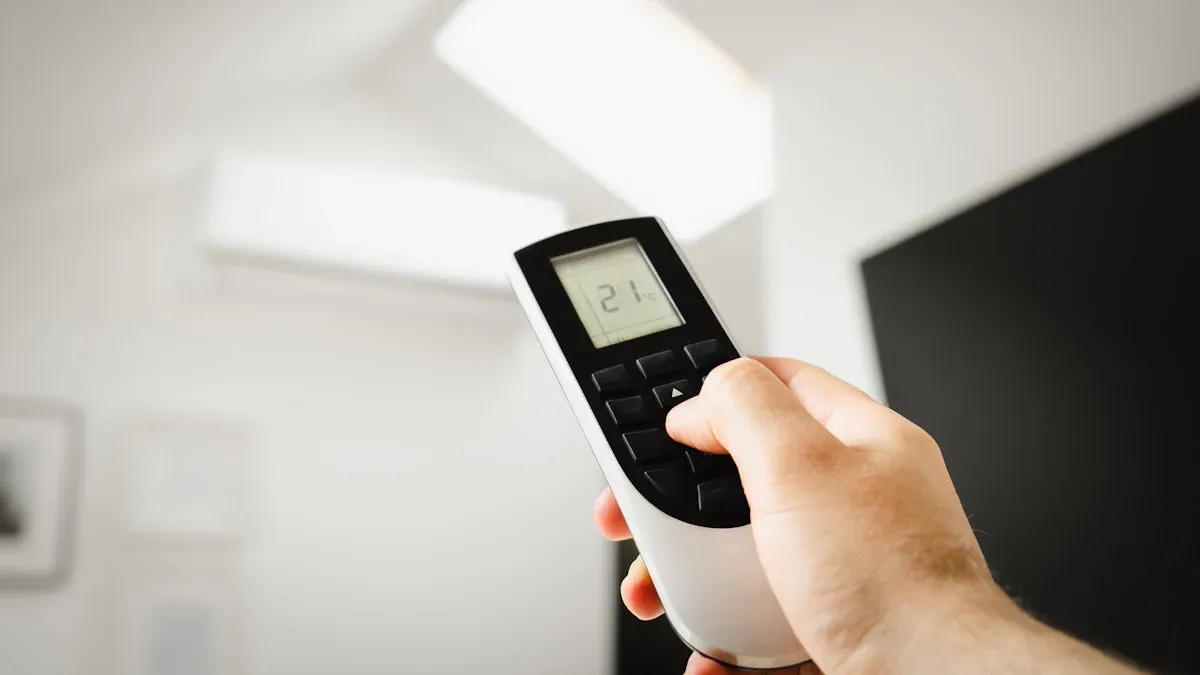
Smart controls help hotels use less energy. These systems have sensors and smart thermostats. They change heating and cooling when guests are in the room. Machine learning checks how much energy you use. It helps you save more than 20%. You can set schedules with smart controls. The air conditioning only works when needed. This stops wasting energy and keeps rooms nice.
Zoning and Scheduling
Zoning lets you control each part of your hotel. You only cool or heat rooms guests use. Empty rooms do not waste energy. Smart zoning helps your hvac system work better. It also lowers your bills. Scheduling works with zoning. You can set times for the system to turn on or off. This depends on when guests check in or out. Your hotel uses energy better this way.
Scheduling makes sure systems run only when needed.
Variable Speed Compressors
Variable speed compressors help hotels save energy. They change how hard they work for each room. This keeps temperatures steady and noise low. Each room can have its own setting. Guests stay comfortable. Hotels with these compressors pay less for energy.
SEER/EER Ratings
You should check energy ratings when picking air conditioners. SEER means how well a unit cools over a season. Higher SEER means better cooling and less energy use. EER shows how well a unit works on hot days. Units with SEER of 13 or more and EER of 11 or more save up to 30% on energy costs. These ratings help you pick equipment that saves money.
Demand-Controlled Ventilation
Demand-controlled ventilation uses sensors to change airflow. It depends on how many people are in a room. This can cut fan energy use by 50-70%. It also lowers carbon emissions. Your hotel can earn green building certifications.
Advantage | Description |
|---|---|
Energy Savings | |
HVAC Load Reduction | Lowers air that needs cooling or heating. |
Carbon Emission Reduction | Helps your hotel reach climate and sustainability goals. |
Sustainability Certifications | Makes it easier to get LEED or WELL Building Standard™ certifications. |
Look for features like low noise and easy temperature controls. Targeted temperature control helps guests feel better. These features help your hotel save energy and work better.
Implementing Energy Efficient Hotel Air Conditioner Systems
System Selection and Sizing
You have to pick the best air conditioner for your hotel. First, check how much heat comes in or goes out. This is called the thermal load. Look at your walls and windows. Think about how many people stay in each room. You should follow rules like Official Mexican Standard-023-ENER-2018 and listen to advice from ASHRAE.
The thermal load shows how much heating or cooling each space needs. You need to look at building materials, how many people use the room, and the weather outside.
Here are steps to help you:
Check the thermal load for every area.
Make sure your system follows all energy rules.
Choose the right parts for your air conditioner.
Installation Best Practices
Good installation helps you save more energy. Set up temperature controls for how guests use each room. Keep fans on low speed to use less energy. Use temperature control to keep rooms at 25°C. Keep humidity between 35% and 65%. Change settings when rooms are empty or full. This helps you save more energy.
Program your system for real use.
Change heating and cooling for what your hotel needs.
Raise the temperature when rooms are empty.
Change air flow if rooms feel stuffy.
Maintenance for Efficiency
You need to take care of your air conditioning system. Regular maintenance keeps things working well. It also helps your equipment last longer. Clean filters and check for problems often. Preventive maintenance stops big problems before they start. This keeps your energy systems running well and uses less energy.
Plan regular check-ups.
Fix small problems before they get bigger.
Keep your system clean to save more energy.
Monitoring and Optimization
Use energy management systems to see how much energy your hotel uses. These tools help you find ways to save more. Automation systems can control lights, air conditioning, and other equipment. Real-time monitoring lets you see where you can do better.
Strategy | Description |
|---|---|
Track and improve your hotel’s energy use. | |
Automation systems | Control climate and lighting to save energy. |
Real-time monitoring | Watch energy use and find new ways to save. |
You can use energy saving technology to keep your hotel comfy and efficient. Smart monitoring helps you lower energy costs and keep guests happy.
Additional Strategies for Hotel Energy Efficiency
Building Envelope Improvements
You can save more energy by making your hotel’s building envelope better. Add insulation to walls and roofs. This keeps heat out in summer and warmth in during winter. Seal windows and doors so air does not leak. Put in double-glazed windows to stop heat from escaping. These changes help your air conditioning work less. You will save more money. Many hotels in Europe do these upgrades. Hotels there use 21% of all energy.
Tip: Paint roofs with light colors. This bounces sunlight away and helps keep rooms cooler.
Regular Maintenance
Doing regular maintenance helps save energy. It also keeps systems working well. Clean air filters often. Check for leaks in your hotel. Fix broken seals on windows and doors. Have HVAC inspections to find problems early. Taking care of equipment stops energy waste. You will save more money all year.
Guest Engagement
You can ask guests to help save energy. Put signs in rooms to remind guests to turn off lights and air conditioning when they leave. Give rewards to guests who help save energy. Tell guests about your hotel’s energy-saving steps and water-saving tools like low-flow faucets and showers. Guests feel good when they help. Your hotel saves more money.
Ask guests to reuse towels to save laundry energy.
Give recycling bins and work with local recycling groups.
Staff Training
Teach your staff to help save energy every day. Show them how to spot energy waste and report problems. Train them to use energy management systems for temperature and lighting. Staff can change settings in empty rooms. They can help with water recycling too. When everyone helps, you reach your energy-saving goals faster. You will save more money.
Strategy | Benefit |
|---|---|
Staff training | Less energy waste |
Guest engagement | More savings |
Building improvements | Lower energy bills |
Using renewable energy like solar panels helps your hotel make less pollution. You can use all these ideas together for the best energy savings.
You can save money and make guests feel better by picking smart solutions for your hotel. Put in a centralized BMS so you can watch things from far away. Use BAS in each room to control energy use. These systems help you manage lights and curtains too. Follow ISO and Spanish Association for Standardization rules to run things well. Check your systems often to keep them working right. Use special steps to measure energy use before and after you make changes. Look at your air conditioning now and think about ways to make it better. Use less energy, spend less money, and give guests a nicer stay.