
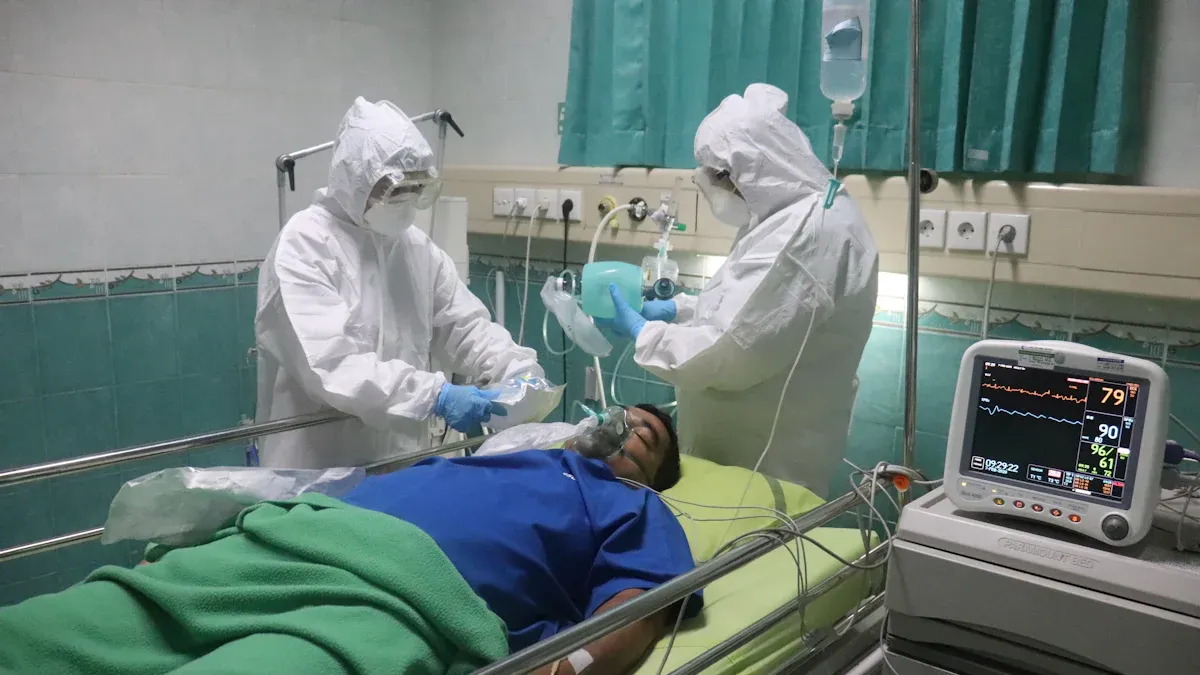
Hospital air conditioning is important for keeping everyone safe and comfy. Without it, hospitals struggle with stopping infections and working well. Each day, 1 in 31 hospital patients gets an infection. Many of these infections can be stopped with clean air. Modern hospital air systems control temperature and clean the air. They remove germs in the air to keep people healthy. These systems help critical care areas work properly. They support patient healing and safety while improving healthcare results.
Key Takeaways
Air conditioning lowers infections by cleaning air and cooling rooms.
Keeping rooms comfy helps patients heal and feel better faster.
Good air systems make it quiet, helping patients sleep well to recover.
Proper air systems stop machines from overheating, keeping them working longer.
Energy-saving air systems cut costs and help the environment too.
Infection Control in Hospitals
Reducing Airborne Pathogens
Germs in the air can be dangerous in hospitals. Patients who are sick or weak are at higher risk. Good HVAC systems help stop the spread of these germs. They clean the air by catching harmful particles before they move around. Diseases like the flu and tuberculosis spread less with these systems.
Modern air systems use special filters to clean the air. Filters rated above MERV 13 are very good at trapping tiny germs and viruses. Research shows these filters lower the number of germs in the air. This helps keep patients and hospital workers safer. Even regular high-quality filters work well and are important for hospitals.
Some hospitals use UVGI systems to kill germs in the air. These systems have been around since 1937 and work well. They have cut infection rates after surgeries by 24% to 44%. UVGI systems clean the air in places like operating rooms and emergency areas.
Maintaining Sterile Operating Rooms
Operating rooms must stay very clean to avoid infections during surgery. Air systems keep these rooms sterile by changing the air often. Most hospitals change the air 20 to 25 times an hour. Some even go up to 40 times, which is much more than patient rooms.
More air changes mean fewer germs and particles in the air. For example, rooms with 20 air changes have fewer germs than those with 15. This lowers the chance of infections during surgery, keeping patients safer.
Air systems also control temperature and humidity in operating rooms. This helps keep the room clean and makes sure tools work properly. By creating a safe environment, air systems make surgeries safer and more successful.
Supporting Isolation Room Functionality
Isolation rooms stop germs from spreading to other parts of the hospital. These rooms use special air systems to keep air pressure low inside. This keeps germs from escaping into nearby areas. The air flows inward, protecting others in the hospital.
Good ventilation and filters are very important in isolation rooms. Advanced air systems remove harmful germs from the air. This is especially helpful in emergency rooms where sick patients first arrive.
Hospitals with modern air systems can handle disease outbreaks better. These systems help isolation rooms work well and keep everyone safer. They are key to stopping the spread of infections in hospitals.
Patient Comfort and Recovery
Keeping the Right Temperature for Patients
The right temperature helps patients feel better and heal faster. Being in a hospital can already be stressful for your body. If it’s too hot or cold, it’s harder to recover. Patients recovering from surgery or with weak immune systems need stable temperatures even more.
HVAC systems help keep hospital rooms at a good temperature. They make sure rooms are not too hot or too cold. For example, a hot room can make you uncomfortable and cause dehydration. A cold room can slow down how fast your body heals. By keeping the temperature steady, HVAC systems help your body focus on getting better.
When patients are comfortable, doctors and nurses can give better care. Feeling less stressed helps patients heal faster and improves their treatment results. Hospitals that control temperature well help patients recover quicker and feel happier.
Helping Patients Sleep and Heal
Sleep is very important for getting better. But hospitals can be noisy and stressful, making it hard to rest. Good HVAC systems create a peaceful and comfy space for sleeping.
When the temperature feels just right, it’s easier to relax. Cooler temperatures help you sleep deeper, which is great for healing. HVAC systems also work quietly, so they don’t disturb your rest.
For patients who are very sick, sleep is even more important. It helps the body fix itself, fight sickness, and recover from surgery. By improving sleep, HVAC systems help patients heal faster and feel better.
Controlling Humidity for Comfort
Humidity levels in hospitals affect how you feel and stay healthy. If the air is too dry, it can bother your skin and breathing. If it’s too humid, it can feel sticky and uncomfortable. HVAC systems keep the air balanced by controlling humidity and temperature.
Here’s how humidity affects health and comfort:
Humidity Level | How It Affects You |
|---|---|
Too Low | Dries out your skin and nose, makes it easier to catch viruses |
Too High | Helps bacteria grow, makes you feel hotter and uncomfortable |
Dry air can cause breathing problems and dry skin for patients and staff. Humid air can grow bacteria and fungi, raising the chance of infections. HVAC systems keep humidity just right to protect everyone’s health.
Hospitals use advanced HVAC systems to keep the air balanced. These systems adjust humidity automatically to keep you safe and comfy. This is especially important for patients who are sensitive to changes in their surroundings.
Staff Productivity and Well-being
Making Workspaces Comfortable
Hospital staff need comfy spaces to work well. When the air feels good, it’s easier to focus and care for patients. HVAC systems help by keeping the temperature, humidity, and air clean.
Studies show that temperature affects how well you work. For example, if it’s over 80.6°F, work slows down by 4% for every degree. The best temperature for working is between 72°F and 75°F. Clean air also helps you think faster and stay focused.
Factor | How It Helps You Work Better |
|---|---|
Temperature Control | Over 80.6°F slows work by 4% per degree. Best range: 72°F – 75°F. |
Clean Air | Bad air causes tiredness, headaches, and breathing problems, making work harder. |
Humidity Balance | Too much humidity feels sticky; too little dries out your nose and throat. |
Fresh Air Flow | Moves fresh air around, lowers germs, and makes you feel better. |
Fighting Heat Stress and Tiredness
Hospital jobs are tough and need lots of energy. If it’s too hot or humid, you might feel tired and stressed. HVAC systems keep the air cool and comfy, helping your body stay strong.
Good air conditioning also stops problems like dehydration and breathing issues. This means fewer sick days and more time to focus on your job.
Benefit | How It Helps You Feel Better |
|---|---|
Happy Workers | Comfortable spaces make you feel less stressed and happier at work. |
Fewer Sick Days | Cool air reduces health problems, so you miss work less. |
Staying Focused in Busy Hospitals
Hospitals are busy places where you need to stay sharp. Clean air and good ventilation help you stay alert and make quick choices. Fresh air lowers CO2 and removes bad stuff, making it healthier to breathe.
Better air control also makes the space more relaxing. Clean air, good temperatures, and less humidity help you focus better.
With advanced HVAC systems, hospitals make sure staff can work well and stay healthy. This helps both workers and patients get the best care possible.
Important functions of hospital air conditioning : Protecting Medical Equipment
Stopping Devices from Overheating
Medical tools are very important in hospitals but can overheat. Machines like ventilators and scanners get hot when used. Without cooling, heat builds up and causes problems. HVAC systems keep devices cool by controlling temperature and airflow.
These systems also stop sudden temperature changes. For example, they prevent overheating during busy times. This keeps machines working well, even when used a lot. By stopping heat issues, HVAC systems protect the tools doctors need to help patients.
Keeping Diagnostic Tools Accurate
Diagnostic tools must work well to give correct results. Temperature changes can make machines like MRI scanners less accurate. HVAC systems keep the air steady so tools work properly.
Humidity control is also very important. Too much moisture can harm electronics, and dry air can cause static. Balanced humidity keeps tools safe and working right. When machines are accurate, doctors can make better choices for patients.
Making Equipment Last Longer
Good temperature control helps medical tools last longer. Stable conditions make machines work better and break down less. This reduces delays and keeps hospitals running smoothly.
Cooling systems stop damage caused by overheating.
Advanced HVAC systems support complex machines for many years.
By using good HVAC systems, hospitals protect their tools and save money. This helps doctors and patients by keeping equipment reliable and ready to use.
Indoor Air Quality and Sustainability
Improving Ventilation and Filtration
Keeping hospital air clean is very important. It helps protect patients and keeps staff healthy. Bad air can cause sickness, tiredness, or headaches. Advanced air systems and filters help solve these problems.
Good filters remove harmful particles from the air.
High-quality filters make the air cleaner and patients happier.
Clean air makes staff and visitors feel more comfortable.
Some hospital areas need extra clean air, like surgery rooms. ICUs and NICUs also need very clean air to keep patients safe. Busy places like emergency rooms need strong air systems to stop germs from spreading.
Reducing Energy Costs with Efficient Systems
Energy-saving HVAC systems help hospitals save money and improve air quality. These systems can cut energy costs by 20-40% each year. The money saved can be used for other important needs in the hospital.
Upgrading old HVAC systems is a smart way to save energy. Small changes can lower energy bills by 10% without spending too much. Regular system checks make sure everything works well and saves energy. This helps both the hospital and the environment.
Supporting Green Healthcare Initiatives
Hospitals use a lot of energy, about 10% of all energy in big buildings. They also create 8.5% of greenhouse gases. Using eco-friendly HVAC systems can lower this impact.
Renewable energy and energy-saving HVAC systems help hospitals go green. These systems use less energy and make the air healthier. Hospitals that care about the planet show they value both people and the environment.
“Saving energy helps hospitals spend less and improve air quality.”
By using better air systems and eco-friendly practices, hospitals can make safer spaces for everyone and help the planet at the same time.
Air conditioning is key to helping hospitals work well. It cleans the air, making it safer for patients and staff. By keeping the temperature and humidity steady, it helps patients heal faster. It also protects important medical tools from damage. Modern HVAC systems make it easier for staff to focus and meet rules. Energy-saving designs cut costs and support eco-friendly healthcare. These systems keep hospitals running smoothly, even in emergencies. Using advanced air conditioning improves care and makes hospitals better for everyone.
FAQ
Why is air conditioning important in hospitals?
Air conditioning keeps hospitals safe and comfortable. It controls temperature, manages humidity, and cleans the air. These things help patients heal faster, lower infection risks, and protect equipment.
How does air conditioning help patients recover?
It keeps the air steady with the right temperature and humidity. This lowers stress, helps patients sleep better, and speeds up healing.
Can air conditioning stop infections?
Yes, modern HVAC systems trap germs in the air. They keep areas like operating and isolation rooms clean, stopping infections from spreading.
Why is controlling humidity needed in hospitals?
Balanced humidity stops bacteria and mold from growing. It also avoids dry air that can bother skin and breathing. This keeps everyone safe and comfy.
How do energy-saving HVAC systems help hospitals?
They cut energy costs and are better for the planet. Hospitals save money while keeping the air clean and supporting eco-friendly practices.