
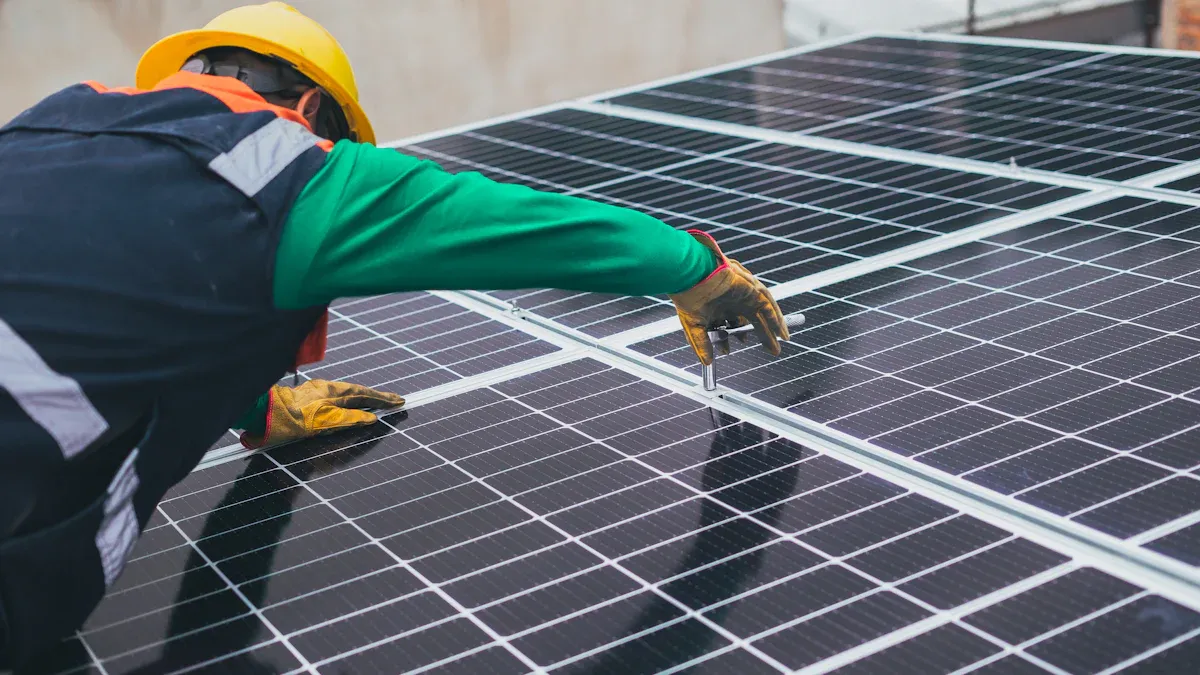
Solar aircon units utilize clean energy to cool your space. They harness solar panels to convert sunlight into electricity or heat. This approach helps reduce energy consumption and pollution. These systems are eco-friendly and function effectively in areas with weak power grids.
As the demand for green cooling solutions increases, hybrid solar aircon AC/DC systems are becoming popular. They are energy-efficient and more cost-effective than traditional air conditioners.
Key Takeaways
Solar air conditioners use sunlight to cool rooms. This lowers costs and pollution.
There are three types: photovoltaic, thermal, and hybrid. Each works best in certain climates and situations.
Buying solar air conditioners saves money over time. They are great for people who care about the environment.
Types of Solar Air Conditioners
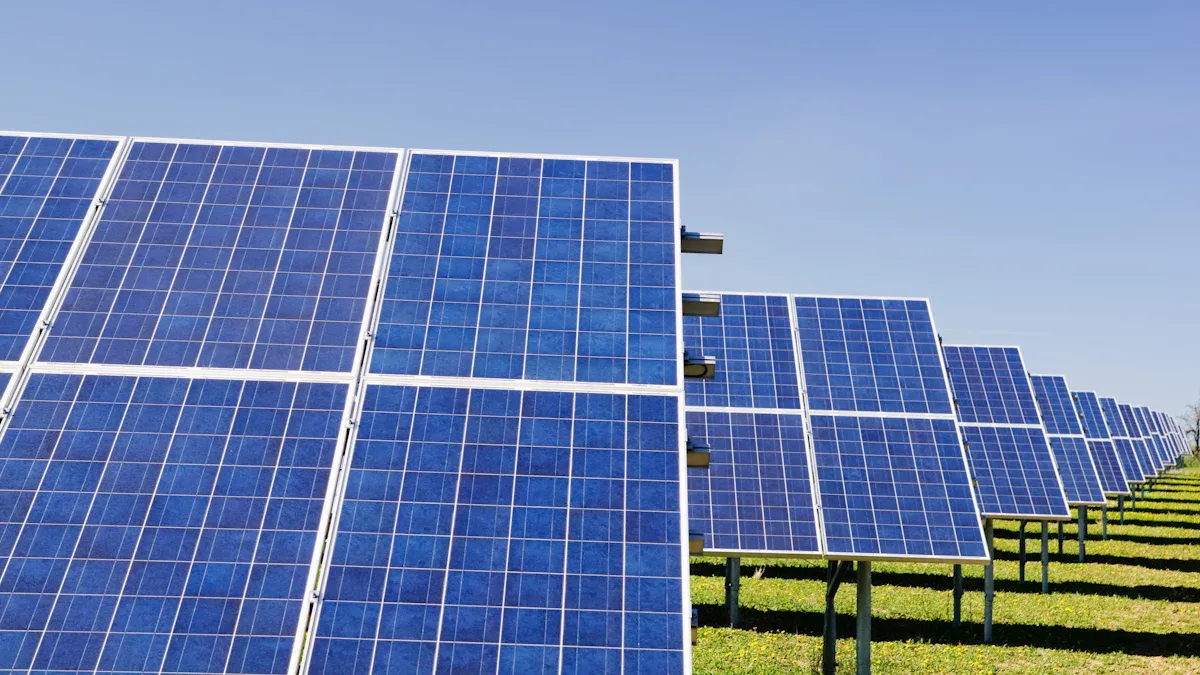
Solar air conditioners come in various types. Each type uses solar energy differently. Knowing these types helps you pick the right one.
Solar Photovoltaic (PV) Air Conditioners
Solar PV air conditioners turn sunlight into electricity using solar panels. This electricity powers the system, so it doesn’t need grid power. They work best in sunny areas and lower energy costs.
Key Features:
Solar panels make electricity from sunlight.
They perform well during sunny hours.
Batteries store energy for nighttime use.
Studies show better airflow boosts performance. For example:
Cooling efficiency (COP) rises 10%-15% in ventilation mode.
In recirculation mode, COP improves by 50%, enhancing cooling and moisture control
And,Solar PV air conditioners save energy and cut your carbon footprint.
Solar Thermal Air Conditioners
Solar thermal air conditioners use sunlight’s heat to cool. They rely on absorption or desiccant systems instead of electricity. These systems focus on heat, not power.
Advantages:
Efficiently turn heat into cooling power.
Great for hot, sunny regions.
Fewer mechanical parts mean lower maintenance costs.
Metric | Value Range |
|---|---|
Cooling Efficiency (COP) | 1.70 – 1.80 |
Heat Collection Efficiency | 37.88% – 38.71% |
Winter Heat Collection Rate | > 45% |
Solar collectors work well even in cold weather. They are reliable all year. If you want thermal efficiency, these are a good choice.
Hybrid Solar Air Conditioners
Hybrid solar air conditioners use both solar and grid power. They switch between the two based on sunlight. This ensures cooling even on cloudy days.
Why Choose Hybrid Systems?
Use both renewable and regular power for flexibility.
Consume less energy than regular air conditioners.
Cost less upfront than fully solar systems.
Research shows hybrid systems save energy. For example, indirect evaporative cooling uses 47% less energy than traditional systems. Hybrid solar ACs are affordable and eco-friendly.
By learning about these types, you can choose the best system for your needs and the planet.
How Solar Air Conditioning Works
Using Solar Energy
Solar air conditioners run on energy from the sun. Solar panels collect sunlight and turn it into energy. These panels are usually placed on rooftops to absorb sunlight all day. The energy powers the cooling system, cutting down on electricity use.
Solar panels work best in sunny places. Their efficiency depends on the type of solar technology. For instance, solar cells change sunlight into electricity with an efficiency of 6–40%. Most systems, however, work at 15–20%.
Conversion Process | Type of Conversion | Efficiency Range |
|---|---|---|
Solar Cell | Sunlight to Electricity | 6–40% (15–20% common) |
By using renewable energy, solar air conditioners cool spaces while saving money on energy bills.
Turning Sunlight into Power or Heat
Solar air conditioners use two ways to turn sunlight into energy: photovoltaic and thermal. Photovoltaic systems change sunlight into electricity to power the air conditioner. Thermal systems use the sun’s heat for cooling processes like absorption or desiccant cooling.
The best method depends on your location and needs. Photovoltaic systems are great for sunny areas, while thermal systems work well in hot climates. Both methods help reduce fossil fuel use and support green cooling.
Working with Cooling Systems
Solar energy works well with cooling systems for better performance. Solar-assisted air conditioners combine solar panels or collectors with regular cooling systems. This setup ensures cooling even on cloudy days or at night when solar energy is low.
Reports explain how these systems work together. For example:
Title | Details |
|---|---|
Solar-Assisted Air Conditioning: What Engineers Need to Know | Explains solar thermal and electric cooling systems and their benefits. |
ASHRAE Handbook—HVAC Applications | Offers a chapter on solar energy in cooling systems with useful details. |
By mixing solar energy with regular cooling, solar air conditioners provide reliable and eco-friendly cooling for homes and offices.
Benefits of Solar Air Conditioners
Energy Savings and Lower Bills
Using solar air conditioners can cut your electricity bills. These systems use sunlight to make power, reducing the need for grid electricity. This is especially helpful in summer when cooling costs are high. Solar panels turn sunlight into energy, letting your air conditioner run without using regular electricity.
Studies show solar air conditioners lower electricity costs during hot months.
Here’s how solar ACs save money:
They can lower energy bills by up to 40%.
U.S. homeowners spend $115 monthly on electricity. Switching to solar can save about $46 each month.
Solar ACs usually pay for themselves within 10 years.
Solar air conditioners give you cool air and big savings.
Helping the Environment
Solar air conditioners use clean energy, which helps the planet. Unlike regular systems that burn fossil fuels, solar ACs cut carbon emissions. Solar panels collect sunlight, a renewable resource, to power your cooling system. This reduces pollution while keeping your home cool.
Choosing solar ACs supports a healthier Earth. Using less non-renewable energy helps fight climate change. Every time you cool your home with solar power, you help protect the environment for future generations.
Saving Money Over Time
Solar air conditioners cost more upfront but save money later. Over time, the energy savings are greater than the initial cost. Solar panel prices are also dropping, making them more affordable.
Solar ACs save more energy than regular systems.
They cost less to run, saving money long-term.
Solar installation costs are decreasing, making them cheaper over time.
New solar technology makes these systems better and easier to get. Even though they cost more at first, solar ACs save money in the long run. They’re a smart and eco-friendly investment.
Costs of Solar-Powered Air Conditioners
Installation Costs
Solar air conditioners cost more to install than regular ones. This is because they need solar panels, inverters, and extra parts. Prices depend on where you live and the system size. For example:
Region | Regular AC Cost | |
|---|---|---|
California | $10,000 – $25,000 | $3,500 – $7,500 |
Southeast Asia | Lower for regular ACs | Higher for solar ACs |
In sunny places like California, solar systems can save money over time. The upfront cost is high, but long-term savings make it worth it.
Maintenance and Operational Expenses
Solar air conditioners need little upkeep. Solar panels only need cleaning sometimes to work well. Solar thermal systems have fewer parts, so they break less often. They also cost less to run since they use sunlight instead of electricity. Keeping your panels clean helps them last longer and work better.
Potential Savings Over Time
Using solar air conditioners can save a lot of money. Families with solar panels often pay less for electricity. Here are some examples:
Homes using propane or oil save $1,000 to $3,100 yearly.
Electric heating homes save $300 to $1,200 per year.
Gas heating homes save $30 to $600 yearly.
These savings grow over time, making solar air conditioners a smart choice. Using sunlight lowers costs and helps the planet stay clean.
Solar air conditioners cool homes in an eco-friendly way. They use sunlight to cut electricity use and lower pollution.
The initial cost might be high, but they save money later. Think about your location, energy needs, and budget before choosing.
FAQ
How much sunlight do solar air conditioners need to work well?
Solar air conditioners work best in sunny places. Panels need direct sunlight to make the most energy. Hybrid systems can still run on cloudy days.
Can solar air conditioners cool big areas?
Yes, they can cool big spaces. Pick a system with enough power and panel size for your cooling needs.
Are solar air conditioners hard to take care of?
No, they are easy to maintain. Clean the panels sometimes to keep them working well. Check the system once a year for problems.