
A comfortable room temperature, proper ventilation, and a breath of fresh air – these are essential elements of a pleasant hotel stay. But have you ever stopped to think about the unsung hero working behind the scenes to create this comfortable environment? That hero is the hotel’s HVAC system. A well-designed and maintained HVAC system is crucial not only for guest comfort but also for a hotel’s bottom line. A poorly performing system can lead to negative reviews, high energy bills, and even health risks.
In this article, we’ll delve into the different types of HVAC systems commonly found in hotels, exploring their pros and cons, and highlighting the growing importance of energy efficiency in the hospitality industry.
Hotel HVAC Systems: A Look at the Options
Choosing the right HVAC system is a critical decision for any hotel. There are three main types of systems commonly used:
1. Central Air Conditioning System
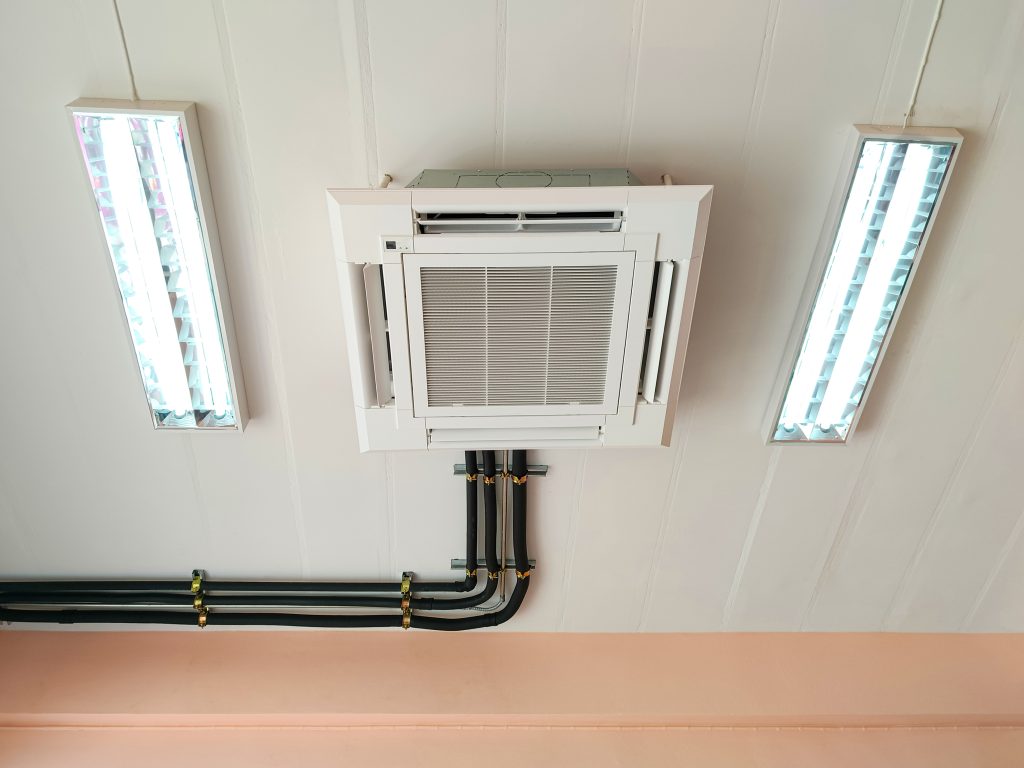
As the name suggests, a Central air conditioning system uses a single, central unit to condition the air for the entire building. This central unit, often located on the roof or in a dedicated mechanical room, cools or heats the air and distributes it throughout the hotel via a network of ducts and vents.
Pros:
- Cost-effective for large hotels:Central air conditioning system are generally more cost-effective to install and maintain for large hotels with many rooms.
- Easier to manage: A single system is easier to monitor and control than multiple, smaller units.
Cons:
- Less room for individual control: Guests have limited control over the temperature in their rooms.
- Energy efficiency can be a challenge: If a large portion of the hotel is unoccupied, the system may still be running at full capacity, leading to energy waste.
- Maintenance or repairs can disrupt the entire system: This can be a major inconvenience for guests and staff.
Examples: Chillers, boilers, Variable Air Volume (VAV) systems.
2. Split HVAC Systems
Split HVAC Systems, on the other hand, utilize individual units for each room or zone within the hotel. This allows for greater customization and control over temperature settings.

Pros:
- Individualized comfort: Guests have more control over their room temperature, leading to a more comfortable stay.
- Energy efficient: Individual units only run when needed, reducing energy consumption and costs.
- Easy maintenance and repair: Issues with one unit don’t affect the entire system.
Cons:
- Higher upfront cost: Installing individual units can be more expensive than a single, centralized system, especially for larger hotels.
- Aesthetics: Multiple outdoor units can be visually unappealing.
Examples: Variable Refrigerant Flow (VRV) systems, packaged terminal air conditioners (PTACs), split systems.
3. Hybrid HVAC Systems
Hybrid systems combine the best of both worlds, utilizing a centralized system for common areas and a decentralized approach for guest rooms. This allows hotels to optimize energy efficiency while still providing individualized comfort.
Pros:
- Best of both worlds: Offers the benefits of both centralized and decentralized systems.
- Optimized energy efficiency: Reduces energy waste by only conditioning occupied spaces.
- Enhanced guest comfort: Provides individual room temperature control.
Cons:
- Design complexity: Requires careful planning and coordination to integrate the two systems seamlessly.
Example: A hotel might use a centralized chiller plant to cool water that is then distributed to individual fan coil units in each room.
To better illustrate the differences, let’s take a look at a table comparing these three systems across various factors:
| Feature | Central air conditioning system | Split HVAC Systems | Hybrid System |
| Hotel Star Rating | Typically 3-star and above | All, but more common in 2-3 star | 4-star and above |
| Hotel Size | Large to very large | Small to medium | Medium to large |
| Common Geographic Locations | All climates | All climates, but popular in hot and humid regions | All climates |
| Operational Cost | Moderate to high | Low to moderate | Moderate |
| Guest Comfort | Moderate, less individual control | High, individual control | High, individual control |
| Energy Efficiency | Moderate, potential for waste | High | High |
| Installation Cost | High | Moderate | High |
| Maintenance Cost | Moderate | Low | Moderate |
Hotel HVAC and the Green Wave: Energy Efficiency is Key
In today’s world, environmental consciousness is no longer optional – it’s a necessity. The hospitality industry is increasingly recognizing the importance of sustainability, and HVAC systems are a key area where hotels can make a significant impact.
Government regulations are also pushing hotels towards greener solutions. Energy efficiency is no longer just good for the planet; it’s good for business. By reducing energy consumption, hotels can significantly lower their operating costs and boost their bottom line.

Here are some of the most effective energy-saving technologies being implemented in hotel HVAC systems:
- Variable Frequency Drives (VFDs): VFDs allow HVAC systems to operate at varying speeds, rather than constantly running at full power. This precise control reduces energy waste and provides a more consistent room temperature.
- Smart Control Systems: Imagine a system that automatically adjusts the temperature based on occupancy and weather conditions. That’s the power of smart control systems. These intelligent systems use sensors and data to optimize HVAC operation, ensuring maximum comfort with minimal energy use.
- Energy Recovery Ventilation (ERV): ERV systems capture waste heat from exhaust air and use it to pre-heat or pre-cool incoming fresh air. This reduces the workload on the HVAC system, resulting in significant energy savings.
- Renewable Energy Integration: Hotels are increasingly incorporating renewable energy sources, such as solar and geothermal, to power their HVAC systems. This reduces reliance on fossil fuels and lowers the hotel’s carbon footprint.
The results speak for themselves. Hotels that have implemented these energy-saving technologies are reaping the rewards, enjoying lower operating costs, a smaller environmental footprint, and a positive brand image that resonates with eco-conscious travelers.
Choosing the Right HVAC System for Your Hotel: A Tailored Approach
Selecting the ideal HVAC system for a hotel is not a one-size-fits-all proposition. It requires careful consideration of several factors:
- Hotel Size and Type: A small boutique hotel will have vastly different HVAC needs than a sprawling resort.
- Budget and Return on Investment: Hotels must balance upfront costs with long-term energy savings and maintenance expenses.
- Local Climate Conditions: A hotel in a desert climate will have different cooling requirements than one in a temperate region.
- Guest Expectations: Luxury hotels are expected to provide a higher level of comfort and control than budget-friendly accommodations.
- Long-Term Operational and Maintenance Costs: Ease of maintenance and the availability of qualified technicians should be considered.
Given the complexities involved, it’s highly recommended that hotel owners and managers consult with experienced HVAC engineers. These professionals can assess the hotel’s specific needs, analyze energy-saving opportunities, and design a customized HVAC solution that delivers optimal comfort, efficiency, and return on investment.

Conclusion: Where Comfort and Sustainability Converge
A well-designed and maintained HVAC system is more than a behind-the-scenes necessity—it’s integral to a hotel’s success. As the hospitality industry continues to evolve, we can expect a greater emphasis on energy efficiency, smart technology, and sustainable practices. By embracing these advancements, hotels can create comfortable, energy-efficient, and eco-friendly spaces that enhance the guest experience and contribute to a greener future.
If you’re looking for professional HVAC solutions for your hotel, Newex (newexhvac.com) can help. Our team of experienced engineers can design and implement a custom HVAC system tailored to your specific needs, ensuring your guests enjoy a comfortable stay while minimizing energy costs. Visit our website at newexhvac.com to learn more our project cases .

References & Related Reading:
https://www.base-4.com/understanding-your-hvac-options
https://www.base-4.com/hotel-hvac-systems-p1
https://www.energy.gov/energysaver/central-air-conditioning
https://www.carrier.com/residential/en/us/products/air-conditioners/what-is-split-hvac-system
https://www.trane.com/residential/en/resources/blog/hybrid-heat-systems-how-they-work