
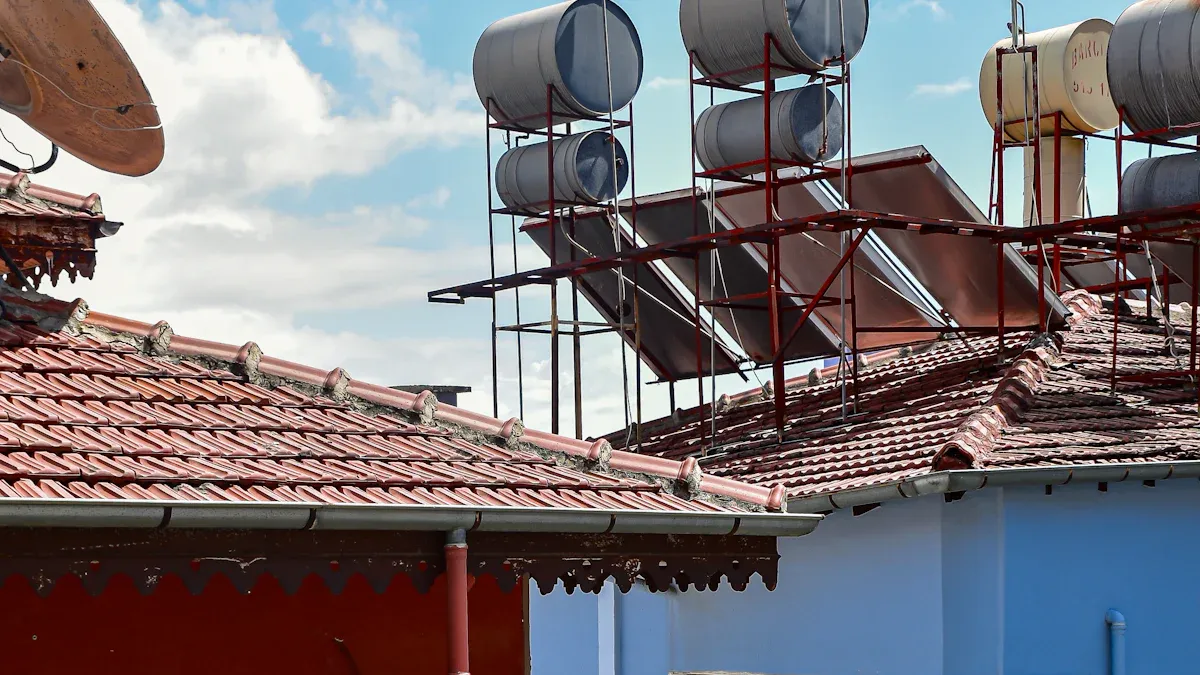
I see lots of building owners ask about rooftop furnaces in 2025. The answer depends on what you want and what your building needs. Rooftop furnaces save space inside the building. They keep equipment hidden from view. They help hvac teams do maintenance more easily. Many owners want less noise in their buildings. They also want better control of energy use. Brands like NewexHVAC offer new and modern options. I always say to choose what works best for your business and hvac plan.
What Is a Rooftop Furnace?
When I talk about heating systems for commercial buildings, I usually begin with the rooftop furnace. This system sits on the roof and takes care of heating, cooling, and ventilation for the whole building. I like that it keeps everything important together in one spot. A rooftop furnace connects to the building’s ductwork and sends air to different rooms. Many experts say this setup makes repairs and maintenance easier for technicians. They can work without stopping people inside the building.
Key Features of Rooftop Furnaces
I notice some features that make rooftop furnaces special:
All parts are in one unit
Connects right to the building’s ducts
Gives heating, cooling, and ventilation
Sends air to certain areas when needed
These features help save space inside the building. I see that NewexHVAC makes their rooftop furnace units with these benefits. Their systems help teams keep things working well.
Why Rooftop Furnaces Matter in 2025
In 2025, rooftop furnaces are even more important for commercial spaces. Technology keeps getting better. I want to point out some big changes:
Advancement Type | Description |
|---|---|
Uses machine learning to make performance, maintenance, and energy use better. | |
Variable Refrigerant Flow (VRF) | Makes energy use better and lets you control zones easily. |
Smart Controls | Lets you watch and manage everything from one place. |
Eco-friendly Refrigerants | Helps the environment and supports being green. |
I also see some big trends in commercial HVAC plans:
Trend Description | Implication for Rooftop Furnaces |
|---|---|
Growth of new technology | Better controls and sensors make rooftop furnaces easier and more useful. |
Bigger rooftop units | New designs have better insulation and fit modern buildings. |
Rooftop furnaces now meet higher rules to help the planet. |
I trust brands like NewexHVAC to keep up with these changes. Their rooftop furnace solutions fit what today’s commercial buildings need and help owners reach their energy goals.
Rooftop Furnace Advantages
Space-Saving for Commercial Buildings
Many commercial buildings do not have much space. When I put a rooftop furnace on the roof, it gives more room inside. Rooftop units stay outside, so offices and storage get extra space. This helps a lot in cities where space is tight. I suggest rooftop hvac units because they help use space better. Here are some good things about them:
Rooftop units give more space inside.
Commercial buildings often have little ground or indoor space.
Putting hvac systems on the roof frees up space inside.
Rooftop units help use more of the building for work.
They let owners add offices or storage by moving hvac to the roof.
NewexHVAC makes rooftop units that help owners use their buildings well. I think this is important when planning for growth.
Reduced Indoor Noise
Noise can bother people working in buildings. Rooftop hvac systems keep most noise outside. When I use a rooftop unit, offices and meeting rooms are quieter. This makes work more comfortable. NewexHVAC builds their rtu hvac system to be quiet. This helps businesses make a better place for workers and customers.
Enhanced Security and Safety
Putting the heating and cooling system on the roof makes buildings safer. Rooftop units are hard to reach, so there is less vandalism or theft. I see fewer problems from things like lawn tools or trucks. Technicians can get to the rooftop unit easily for repairs. This keeps everyone safe. Here is a table with some main benefits:
Benefit | Description |
|---|---|
Reduced Risk of Vandalism and Theft | Rooftop units are hard to see and reach, so there is less tampering and theft. |
Lower Risk of Accidental Damage | Rooftop units are safe from things like lawn tools and trucks. |
Easier Access for Technicians | Units on the roof make repairs and maintenance easier and safer. |
I trust NewexHVAC to make rooftop hvac units that keep buildings safe.
Maintenance and Cost Savings
I always try to help building owners save money. Modern rooftop hvac systems use new technology to use less energy. This means lower bills each month. Rooftop units may cost more at first, but they save money later. High-efficiency rooftop hvac units need less fixing. Buying a good rtu saves money over time. NewexHVAC makes strong systems that help owners save money and energy.
Making hvac systems work well is important for owners who want to save money for a long time. Using new technology helps businesses manage energy better. Modern rooftop hvac units may cost more at first, but they use less energy and need less fixing, so owners save money over time.
Flexibility for Expansion
Many commercial buildings need to grow or change. Rooftop units make it easy to expand. I can put in more units for different parts of a building. The modular design lets us install and start up fast. Big buildings use many rooftop units to cut down on ductwork and help with zoning. This makes it easy to meet different needs for comfort and air. NewexHVAC gives solutions that help with growth and changes.
Rooftop units can be added to cover more areas and spread out the load.
Modular design lets us install and start up quickly, which helps with future growth.
Big buildings use many rooftop units to cut down on ductwork and help with zoning for different needs.
Tip: When I plan to expand, I pick rooftop hvac systems because upgrades are easy and save money.
I always think about the good and bad before I suggest a rooftop furnace. The good things are saving space, less noise, better safety, saving money, and being flexible. NewexHVAC is great at making rooftop units that do all these things.
Drawbacks of Rooftop HVAC Units
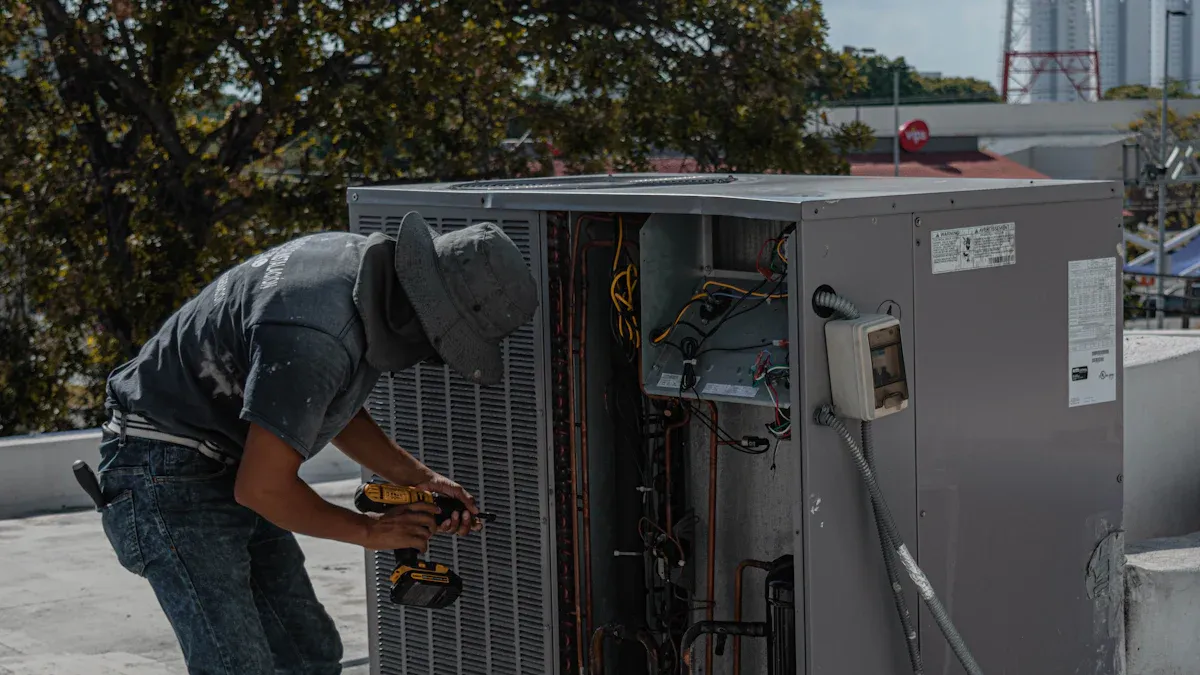
Weather Exposure and Wear
I see that rooftop HVAC units face tough weather all year. Rain, snow, and sun can wear down the system. Cold weather causes many problems. I often deal with these issues:
Compressor concerns. Cold makes oil thick inside the compressor. This puts strain on the system and can cause it to fail.
Frozen condensate lines. Ice blocks airflow and leads to water leaks. The system does not work well when this happens.
Thermostat malfunction. Extreme cold confuses thermostat sensors. The readings become wrong, and the system acts up.
Icing on outdoor units. Ice builds up and blocks airflow. This lowers efficiency and can break the unit.
I always tell owners to check rooftop furnace units often. Regular inspections help spot problems early. Good maintenance keeps the system running longer.
Higher Installation Costs
I notice that installing rooftop HVAC units costs more than indoor systems. Lifting heavy equipment onto the roof needs special tools and skilled workers. The building may need extra support for the weight. I see that these steps add to the price. Owners must plan for these costs before choosing a rooftop system. The price is higher at first, but some savings come later with easier maintenance.
Tip: I recommend getting quotes from trusted commercial HVAC companies. This helps you understand the full cost before you decide.
Roof Damage Risks
Placing heavy HVAC units on the roof can cause damage. I have seen leaks and cracks form around the unit. Water can get into the building if the seal is not tight. Sometimes, the roof needs repairs after installation. I always check the roof before and after putting in a new unit. Good installation helps prevent problems. I tell owners to watch for signs of roof damage and fix them quickly.
Risk Type | Description |
|---|---|
Leaks | Water gets in through weak seals |
Cracks | Heavy units cause roof cracks |
Structural Stress | Roof needs extra support |
Vulnerability to Debris and Animals
Rooftop HVAC units attract leaves, branches, and animals. I often find raccoons, opossums, rats, mice, squirrels, and birds near the units. These animals can chew wires or build nests inside. Leaves and branches block airflow and make the system work harder. I always remove debris and check for insects or animals during maintenance.
Remove leaves and branches often.
Check for signs of animals or insects.
Seal entry points to keep animals out.
Use metal or plywood cages for protection.
Inspect and clean the unit regularly.
I know that regular cleaning and protective cages help keep the system safe. Owners must stay alert to these risks. Good habits lower the disadvantages of rooftop hvac units.
Note: Proper installation and regular maintenance reduce most drawbacks. I always stress the need for routine checks to keep commercial rooftop units working well.
Comparing Commercial Rooftop Units and Alternatives
Traditional Indoor Furnaces
I often look at rooftop furnace systems and indoor furnaces. Indoor furnaces are inside the building. They use gas, oil, or electricity. These systems have different energy ratings. Some indoor furnaces work well. Their efficiency depends on fuel and design. Rooftop hvac units are made for energy efficiency. They work well in big commercial spaces. Modern rooftop hvac systems can lower energy bills by up to 30%. This is compared to older indoor units. Indoor furnaces cost less to install. They need more inspections to stay safe.
Heat Pumps and Other Systems
I use heat pumps in many commercial buildings. Heat pumps move heat instead of making it. They need cleaning and inspection every year. This is for both indoor and outdoor parts. Furnaces do not have outdoor units. Their maintenance is different. Heat pumps last about 10 to 15 years. They need more service because they run all year. Traditional furnaces last longer, about 15 to 20 years. They have more parts to take care of. Heat pumps cost more to install. They often need less maintenance over time. I always check which system fits the building best.
Cost and Efficiency Comparison
I look at cost and efficiency when I help owners choose. I compare commercial rooftop units, indoor furnaces, and heat pumps. Rooftop units may use more energy at first. Their controls make them efficient for big spaces. Rooftop hvac unit designs save space and reduce noise. The compressor sits on the roof. Rooftop units are compact. They do not take up space inside. They are hard to reach, so they are safer. Modern rooftop units have energy-saving features. These features lower operating costs. Centralized rooftop hvac systems allow easy maintenance and repairs. This does not disturb work areas.
System Type | Space Use | Noise Level | Security | Maintenance | Lifespan | Initial Cost | Efficiency |
|---|---|---|---|---|---|---|---|
Rooftop Units | Compact | Low | High | Easy | 15–20 yrs | High | High |
Indoor Furnaces | Uses space | Medium | Medium | Frequent | 15–20 yrs | Low | Varies |
Heat Pumps | Compact | Low | Medium | Frequent | 10–15 yrs | High | High |
I always say to check the building type, local climate, and future plans. This helps before picking a rtu hvac system or another option. The right choice depends on the needs of the space. It also depends on energy goals and cost.
Key Decision Factors for Commercial HVAC Rooftop Units
When I help people pick a rooftop furnace, I look at many things. Choosing the right rooftop unit means thinking about cost, upkeep, weather, and help from the brand. I want to share what I check before I decide.
Total Cost of Ownership
I always tell owners that the price is not just the first bill. The total cost includes many things:
Putting in the unit can cost more if the roof is tricky or needs extra support.
How well the parts work and connect to power can change costs later.
Smart controls and special features make the price go up now and later.
How long the unit lasts and how much fixing it needs matter for saving money.
I suggest looking at all these things before buying a rooftop hvac unit. This helps you avoid problems later.
Maintenance and Accessibility
Taking care of the unit is important. Rooftop hvac systems are harder to reach than indoor ones. This can make fixing them cost more. Here is a table that shows the difference:
Type of Unit | Accessibility Challenges | Maintenance Cost Implications |
|---|---|---|
Rooftop | Harder to get to for putting in, fixing, and checking | May cost more to fix and check |
Indoor | Easier to get to for fixing and checking | May cost less to fix and check |
I always plan to check rooftop units often to keep them working well.
Climate and Building Needs
Every building is different. I look at these things when I pick a rooftop hvac system:
How big the space is and how much heat or cool it needs
What the building is made of and how well it keeps heat in
Where the building is and what the weather is like
What the building is used for and how many people are there
If there is room for the unit and for fixing it
If power and water are easy to get and how much they cost
If the unit looks good with the building
What rules and codes the building must follow
How long the unit should last
I match the rooftop units to what the building needs for comfort and saving money.
Brand Support and Warranty
I trust brands that help with their products. NewexHVAC gives good help and warranty for their rooftop hvac units. I know I can call them for help or parts. Good help means less time waiting and less worry. I always check the warranty before I pick a rooftop furnace for a building.
Tip: Ask how long the warranty lasts and what it covers. Good help can save money and keep you from worrying about your rtu.
When I think about rooftop furnace choices for businesses, I see good and bad sides. Rooftop units help save space inside. They make fixing and checking easier. They also help use energy better. But, putting them in costs more money. Weather can hurt them because they sit outside. Heavy units might damage the roof. I always look at other hvac systems too. I check how much energy each system uses. I look at the size and how much it will cost over time. I trust NewexHVAC to give smart advice and help. I plan for what my building will need later. I choose the best option for my building.
FAQ
What is the main benefit of a rooftop furnace for my business?
The biggest benefit is saving space inside. You get more room for offices or storage. Rooftop units also keep noise outside. This helps people work better.
How often should I schedule maintenance for a rooftop furnace?
Check your rooftop furnace two times each year. Regular checks stop breakdowns and keep it working well. Look for damage or wear every time you check.
Can rooftop furnaces handle extreme weather?
Yes, rooftop furnaces work in many types of weather. Pick models with strong weather protection. Check for insulation and weatherproofing before installing. This helps the system last longer.
How do rooftop units compare to other hvac systems?
Rooftop units save space and make buildings quieter. Other systems may cost less to put in. Rooftop units give better security and easier care for big buildings.